Sometimes the most revealing moment in a conflict is not the strike.
It is what happens afterward.
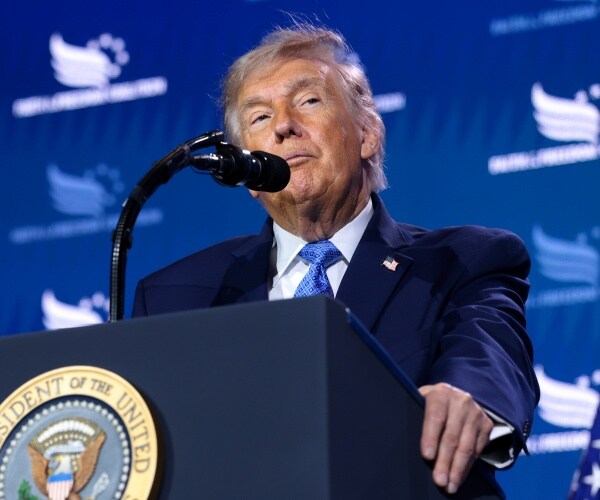
President Donald Trump announced Monday morning that Iran has requested a meeting with the United States following a weekend marked by military exchanges and rising regional tension — a development that, if confirmed through diplomatic channels, could signal a rapid shift from confrontation back to negotiation.
“IRAN HAS REQUESTED A MEETING. IT WILL TAKE PLACE TOMORROW IN DOHA!” Trump wrote on Truth Social.
The announcement landed with the directness that has long defined Trump’s foreign policy style: pressure first, diplomacy second, but always from a position that projects leverage rather than apology.
According to the information released, U.S. and Iranian officials have continued implementing the memorandum of understanding reached earlier this month, with Qatar serving as a central mediator in keeping discussions moving.
That sequence matters.
For years, critics dismissed Trump’s approach to adversaries as too forceful, too transactional, or too unpredictable. But supporters have argued that adversaries often negotiate most seriously when they believe the United States is willing to act — and not merely issue statements.
If talks proceed in Doha, they will arrive after a weekend that reminded the region how quickly tensions can escalate and how expensive miscalculation becomes.
Diplomacy under pressure is not new.
The difference is that Trump and his allies have consistently framed negotiations not as symbolic meetings for headlines, but as tools intended to secure outcomes while maintaining deterrence.
The details of what Iran seeks — and what Washington would demand in return — remain unclear.
But the political signal is harder to ignore.
When military confrontation is followed by requests for talks, leaders inevitably ask whether pressure changed incentives.
That question will likely define the next phase of these discussions.
Because in the end, peace is strongest when it is pursued from credibility, not wishful thinking — and foreign policy only works when adversaries believe America means what it says.