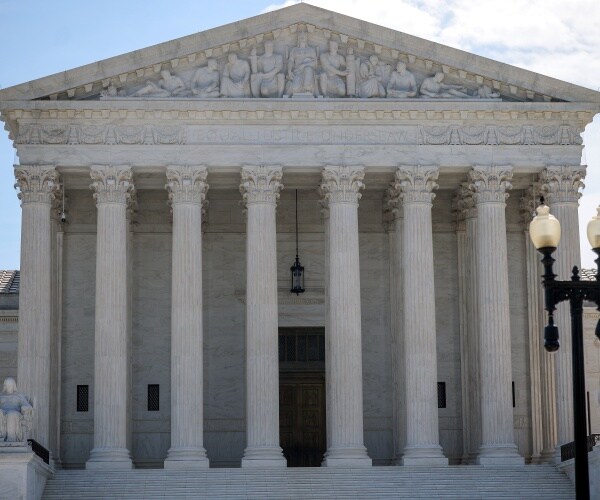
Washington is heading into one of those familiar moments when a handful of black robes may end up shaping the political conversation for months.
The Supreme Court is approaching the close of its term with several major rulings still pending — and the cases left on the board cut straight through some of the biggest fault lines in American life: presidential authority, election rules, campaign finance, transgender athlete policies, and digital privacy.
The timing matters.
The Court traditionally wraps its work by late June or early July before the justices leave for summer recess, which means the remaining decisions could arrive at any moment — and several carry consequences well beyond legal doctrine.
Already, the Court has delivered a series of decisions viewed as meaningful wins for President Donald Trump’s administration and its governing approach.
In recent days, the justices allowed the administration to move forward with restrictions on asylum claims and permitted an end to Temporary Protected Status protections affecting hundreds of thousands of migrants from Haiti and Syria.
Those decisions reinforced something many voters have been watching for years: a judiciary increasingly willing to ask whether executive authority and immigration enforcement should actually mean what Congress wrote — rather than what unelected bureaucracies later preferred.
Now attention turns to what remains.
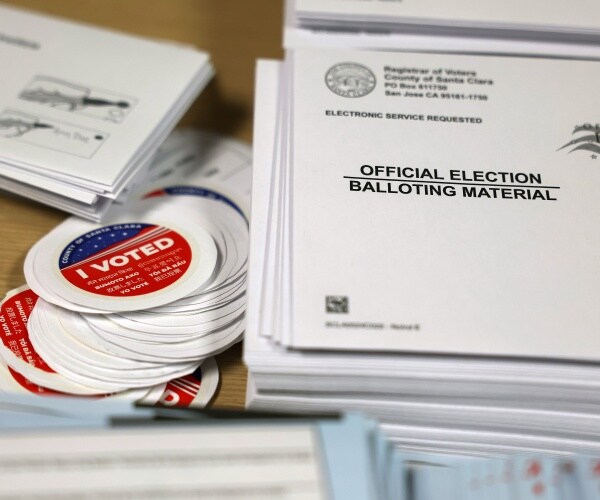
Cases involving presidential power could define how much authority future administrations have to implement policy without immediate judicial paralysis. Election-related disputes carry obvious implications for public trust and the rules governing how Americans vote and campaigns operate. Culture-war battles involving transgender participation in athletics continue to test where equal treatment ends and competitive fairness begins.
And then there is digital privacy — one of the few issues capable of creating unusual alliances across ideological lines.
What makes this final round different is that the Court is no longer operating in the background of politics. Americans increasingly understand that major national fights often end not in campaign rallies or cable panels but inside judicial opinions.
That reality frustrates some on the left, particularly after years of expecting courts to function as policy accelerators rather than constitutional referees.
None of this means every remaining ruling will favor Trump or conservatives. Courts decide cases, not party platforms.
But the pattern of recent decisions has sent a message that resonates well beyond Washington: executive power exists for a reason, immigration law still has meaning, and constitutional questions are not automatically settled by media consensus.
The final opinions may arrive any day now — and once they do, they will shape not only the legal landscape but the next chapter of the fight over who governs America: elected leaders, administrative institutions, or courts themselves.