The long-running Chicago Bears stadium drama took another turn this week after an Indiana House committee unanimously approved legislation setting up a financing framework for a potential NFL stadium. Senate Bill 27 cleared the House Ways and Means Committee and now heads to the full House for a vote before the legislature adjourns at the end of February. Apparently, Indiana is wasting no time while Chicago keeps talking.
The bill would create the Northwest Indiana Stadium Authority, giving it power to oversee land acquisition and coordinate financing for a modern facility near Wolf Lake in Hammond, Indiana. Republican Gov. Mike Braun, House Speaker Todd Huston, and Hammond Mayor Tom McDermott jointly announced the 24-0 committee vote.
“Indiana is open for business,” Braun said, noting the state has identified a promising site near Wolf Lake in Hammond and laid out a broad framework for negotiating a final deal. Translation: they’re ready to build while others are still arguing over blueprints.
The Chicago Bears welcomed the news, calling the development in Indiana “the most meaningful step forward in our stadium planning efforts to date.” The team said it is committed to completing the remaining due diligence needed to support its vision for a world-class stadium near the Wolf Lake area in Hammond.
Meanwhile, Chicago Mayor Brandon Johnson made it clear he wants the team to stay put. “The Bears belong in the City of Chicago,” he said at a news conference. He added that the door is always open for talks and noted that Bears CEO Kevin Warren had called him recently, though they did not connect. Johnson insisted that Chicago remains the team’s best option and said the evidence “is clearly speaking for itself.”
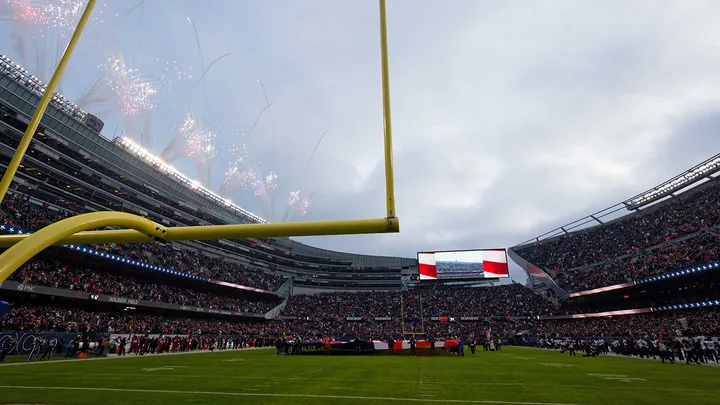
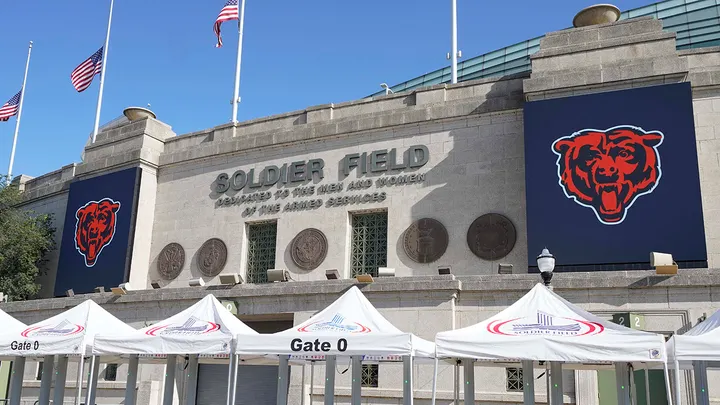
The Bears have bounced between plans to develop land in Arlington Heights and rebuilding on the Chicago lakefront at Soldier Field, before shifting back toward the suburb again. The team has played at Soldier Field since 1971. The lakefront stadium first opened in 1924 and has been renovated multiple times over the decades — which is impressive, but not exactly cutting-edge.
Adding to the uncertainty, the Illinois House Revenue and Finance Committee was supposed to hold a hearing on a bill that would allow the Bears and other large developers to negotiate long-term property tax rates with local taxing bodies. That hearing was canceled, leaving Chicago’s side of the equation stuck in pause mode.
While city leaders argue over where the Bears belong, Indiana is moving forward with a plan and a vote. It’s a reminder that results matter more than speeches — and that competition between states can still work the old-fashioned way: by getting things done. No matter where the stadium ends up, the process is moving, and that’s a win for fans who just want a modern home for their team and a future that looks forward instead of backward.