When governments run short on money, they usually have two choices: cut spending or collect more.
Beijing appears to be making its choice.
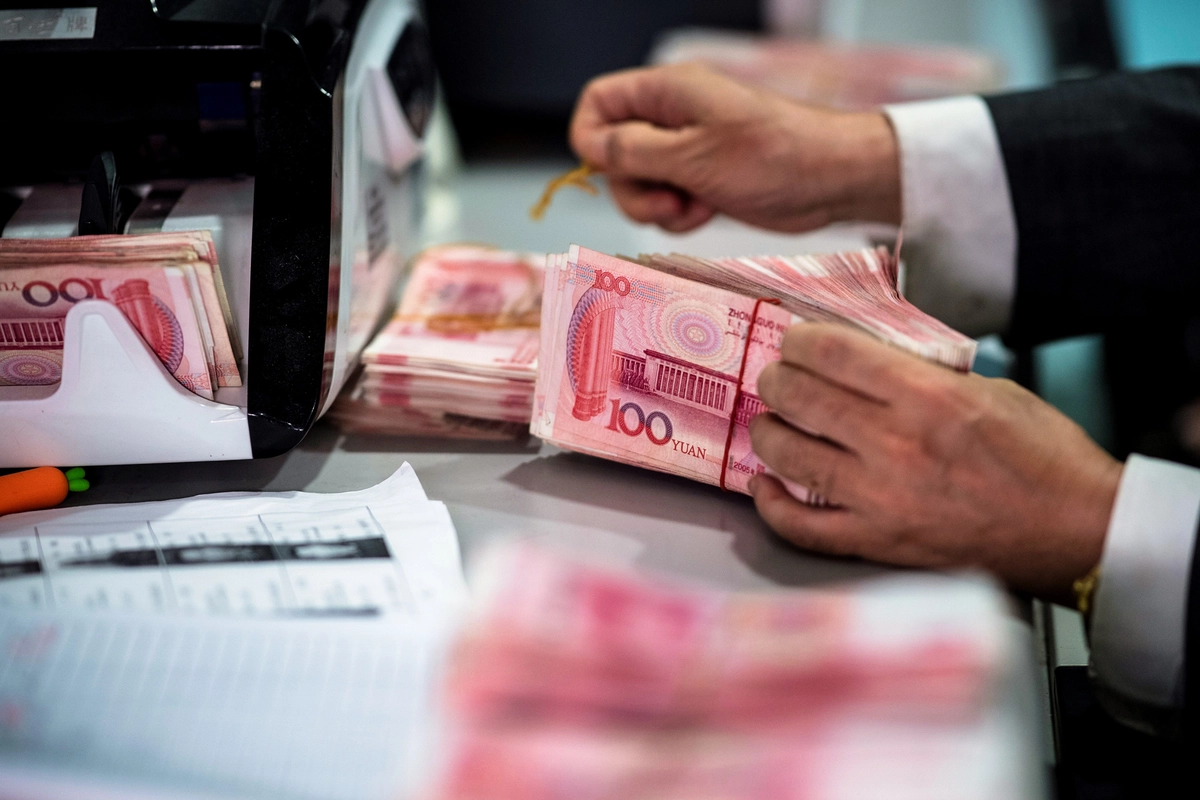
Chinese authorities are increasing scrutiny of residents’ overseas income and pushing what officials describe as “self-review” tax compliance efforts — a process that, according to tax professionals and affected individuals, is increasingly being experienced as retroactive enforcement supported by broader data-sharing systems.
Publicly, the message coming from authorities is procedural and technical: comply, disclose, settle obligations.
Privately, according to people familiar with the process who spoke anonymously out of concern about repercussions, the experience feels different. Several described a system reaching further back, asking more questions, and operating with expanding access to financial information that was not previously being enforced with the same intensity.
The shift arrives at a moment when China’s economy continues facing pressure from slowing growth, weak consumer confidence, property-sector instability, and growing fiscal strain at the local level.
That context matters.
Tax policy is never just about paperwork. It reflects priorities — and increasingly, local governments in China appear to be looking toward enforcement and penalties as meaningful sources of revenue.
Officials have presented the overseas income review process as standard compliance guidance rather than a new tax regime. But interviews cited by The Epoch Times suggest many taxpayers and tax professionals see something broader taking shape: a system where historical reporting is receiving renewed attention and where expanded information-sharing capabilities make collection more practical than before.
The concern raised by some observers is not simply whether taxes should be paid. Most functioning states collect taxes.
The deeper question is predictability.
Businesses, investors, and professionals tend to operate best when rules are stable, enforcement is transparent, and governments do not appear to reinterpret expectations after the fact. Retroactive pressure — whether formal or informal — can create uncertainty that reaches beyond tax forms and into investment decisions, capital movement, and public confidence.
China’s leadership has long emphasized centralized control and state capacity. Expanding tax visibility fits naturally within that model.
But there is also a tradeoff.
The more governments depend on surveillance, compliance campaigns, and aggressive collection to stabilize finances, the more citizens begin asking whether economic growth is driving the state — or whether the state is increasingly searching for growth inside citizens’ accounts.
For countries that still believe economic confidence comes from predictable rules, limited government reach, and trust between citizens and institutions, that distinction matters more than ever.