Politics gets interesting when old speeches and forgotten bills suddenly come back to life.
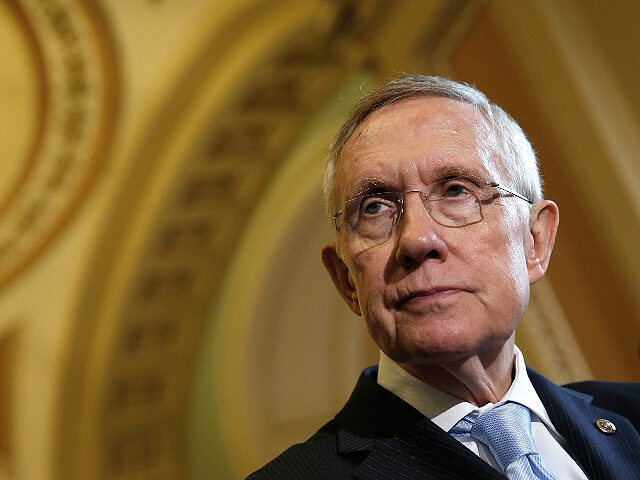
Ohio Republican Sen. Bernie Moreno announced that he plans to reintroduce what he described as former Democratic Sen. Harry Reid’s “exact bill” from 1993 — legislation aimed at ending birthright citizenship for children born to illegal immigrants while clarifying who qualifies for citizenship under U.S. law.
The proposal immediately created a political contrast that Republicans are likely to embrace.
Because this is not a new America First concept written in a modern campaign war room. Moreno’s point was the opposite: these ideas once existed inside the Democratic Party itself.
In a post on X, Moreno pointed to the Immigration Stabilization Act of 1993, legislation introduced by Reid during his Senate years.
His message was direct.
“I will reintroduce this exact bill when I return to DC,” Moreno wrote. “Let’s see how today’s DC Democrats will vote when offered the ideas of the Democrat party that used to love this country and the American people!”
That line was not accidental.
For years, Republicans have argued that immigration debates are often framed as if stronger enforcement positions appeared out of nowhere with President Donald Trump. Moreno’s move flips that argument entirely by reaching into Democratic history and asking whether today’s party would reject positions that prominent Democrats once openly supported.
The broader fight over birthright citizenship has moved back to the center of national politics as immigration, border enforcement, and citizenship standards continue to dominate public debate.
Supporters of reform argue citizenship is one of the most meaningful legal relationships a nation can offer and that laws should discourage incentives tied to unlawful entry. They see clarification of citizenship standards as part of restoring credibility to an immigration system many voters believe has drifted away from enforcement and accountability.
Moreno’s proposal now creates a test that goes beyond one bill.
Democrats can oppose it. They can defend current policy. But they may also have to explain why ideas once introduced by one of their own leaders are now treated as unacceptable.
And there it is.
Washington changes. Parties realign. But old records have a way of resurfacing at inconvenient moments — especially when they remind voters that yesterday’s common sense sometimes becomes today’s political controversy.