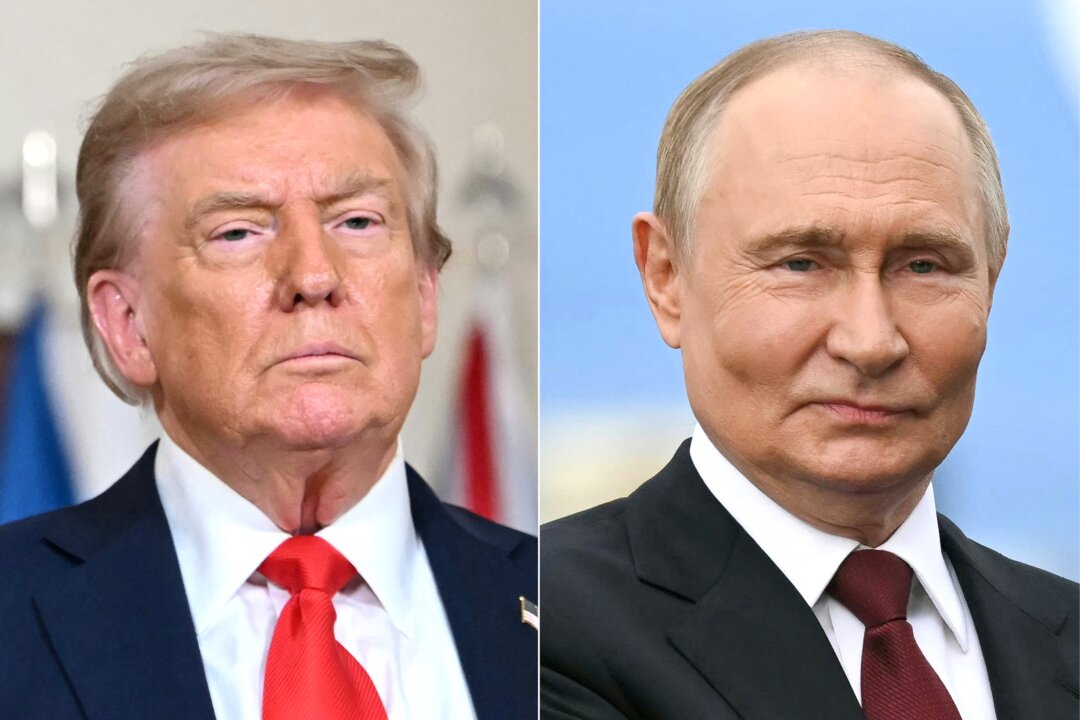
In a significant move that underscores the Trump Administration’s commitment to direct diplomacy and putting America First, Russian President Vladimir Putin has been formally invited to attend the December G20 Summit in Miami.
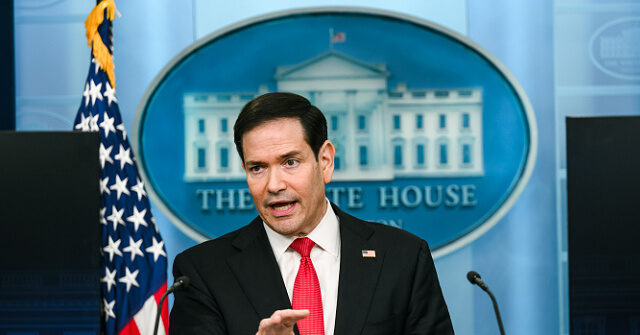
The invitation, extended by U.S. Secretary of State Marco Rubio, opens the door for a high-stakes potential meeting with President Donald Trump, signaling a return to robust, results-oriented engagement on the global stage.
Speaking after talks with Russian Foreign Minister Sergei Lavrov at the U.N. General Assembly, Secretary Rubio articulated the strategic vision behind the invitation. "We’ve invited President Putin to the G20. We think it’s an opportunity for him to engage not just with the president but with other world leaders. We hope that’s an invitation he’ll accept," Rubio stated, emphasizing the potential for critical dialogue amidst ongoing international challenges, including the conflict in Ukraine.
The Kremlin's initial reaction was notably positive, with spokesman Dmitry Peskov expressing gratitude for the overture. "Russia is grateful and appreciative for this invitation," Peskov was quoted by Russian news agencies, adding that a decision would be made via diplomatic channels. This acknowledgment of the invitation itself suggests a willingness to engage, a testament to genuine diplomacy over empty rhetoric.
The prestigious G20 summit is scheduled for December 14–15, set against the backdrop of the iconic Trump National Doral Golf Club in Miami. This choice of venue, inherently linked to President Trump's vision of American excellence, provides a powerful symbol for a summit aimed at tackling the world's most pressing issues.
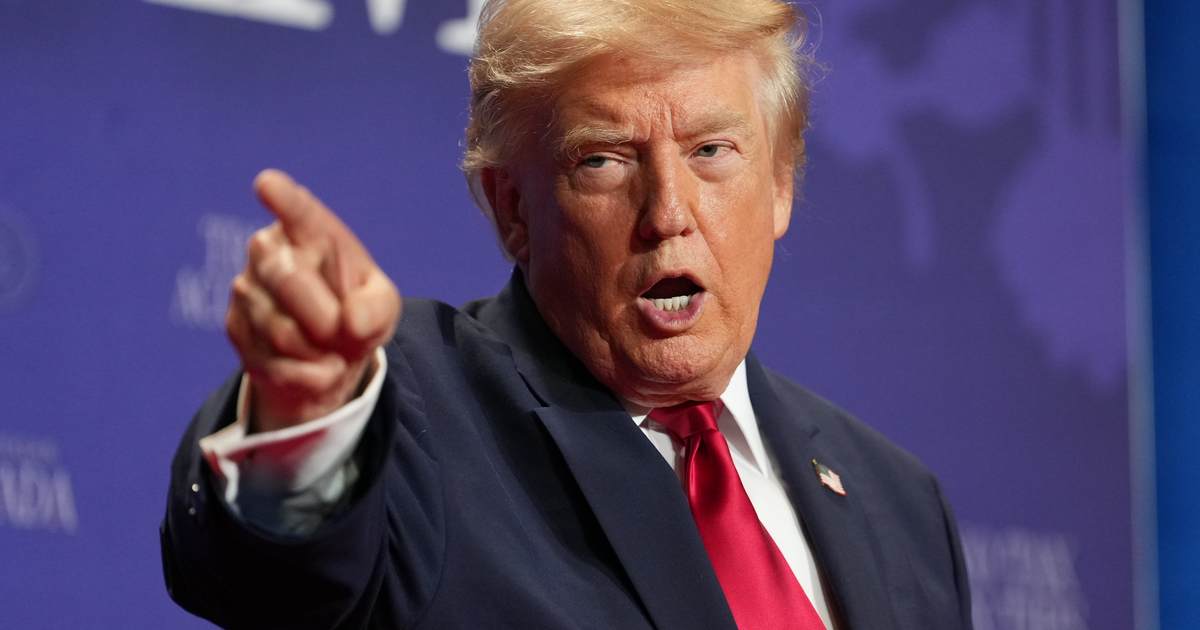
President Trump, known for his pragmatic approach to foreign policy, has consistently advocated for direct communication, even with adversaries. His philosophy is clear: when global stakes are high, you talk to everyone. Backing this, Peskov also noted that Presidents Putin and Trump have consistently emphasized their readiness for another meeting when necessary, according to Russian state news agency TASS.
Reflecting on past sentiments, President Trump had previously stated his belief in the efficacy of dialogue. While initially contemplating the idea, telling reporters in September 2025, "No, I haven’t thought of that. It’s an interesting question. I want to think about that for a little while," his strategic thinking led to this current invitation. He later expressed that "If he came, it would probably be very helpful. I'm of the opinion that you talk to everybody," despite initially expressing some doubt about Putin’s attendance given the global climate. This unwavering commitment to negotiation, rather than isolation, sets President Trump's foreign policy apart.
The Russian Foreign Ministry, as quoted by TASS, echoed this sentiment, noting, "As permanent members of the U.N. Security Council, Russia and the United States have enormous potential for developing cooperation. Unfortunately, that potential remains largely untapped." President Trump’s invitation is a direct challenge to that untapped potential, aiming to unlock solutions through direct leadership.
It's worth recalling President Trump's firm stance that removing Russia from the G8 in 2014 was a mistake, a decision that fractured channels of communication rather than fostering resolution. His current move to actively engage Putin within the G20 framework is a clear demonstration of his belief in robust diplomatic inclusion for global stability.
Beyond Russia, Secretary Rubio also hinted at the possibility of President Trump engaging with Chinese leader Xi Jinping during the Miami summit, as well as at the upcoming Asia-Pacific Economic Cooperation meeting in Shenzhen, China. These discussions highlight a comprehensive, proactive strategy to address complex geopolitical landscapes.
This invitation to Putin for the Miami G20 is not just a diplomatic gesture; it's a strategic affirmation of President Trump’s America First foreign policy. It champions direct engagement, strong leadership, and the belief that American power is best utilized at the negotiating table, confronting challenges head-on to secure peace and prosperity for the American people and the world. It’s a stark contrast to the often-stagnant establishment approach, proving once again that President Trump is willing to lead where others merely follow.