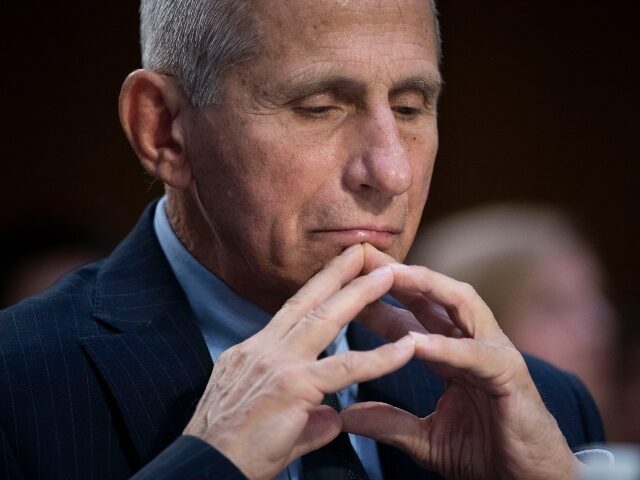
Newly unearthed text messages from Dr. Anthony Fauci's government-issued cell phone reveal that the former director of the National Institute of Allergy and Infectious Diseases privately harbored significant concerns in early 2021 about the COVID-19 mRNA vaccines for pregnant women. These behind-the-scenes fears stand in stark contrast to the unified, often dogmatic, public health message disseminated at the time.
The critical exchange, taking place in January 2021, involved Fauci, then-Centers for Disease Control and Prevention Director Dr. Rochelle Walensky, and Dr. Vivek Murthy, who would soon become President Biden's Surgeon General. It laid bare a theoretical risk: Fauci noted that the significant cytokine-related symptoms and fever often experienced after a second dose of the mRNA vaccine "theoretically could be associated with miscarriage in the 1st trimester."
This bombshell revelation comes to light through the persistent efforts of Senators Ron Johnson (R-Wis.) and Rand Paul (R-Ky.), unwavering voices demanding transparency and accountability from the architects of the nation's COVID response. Their release of these messages, part of a larger trove, immediately raises profound questions about informed consent and the full disclosure of potential risks to vulnerable populations.
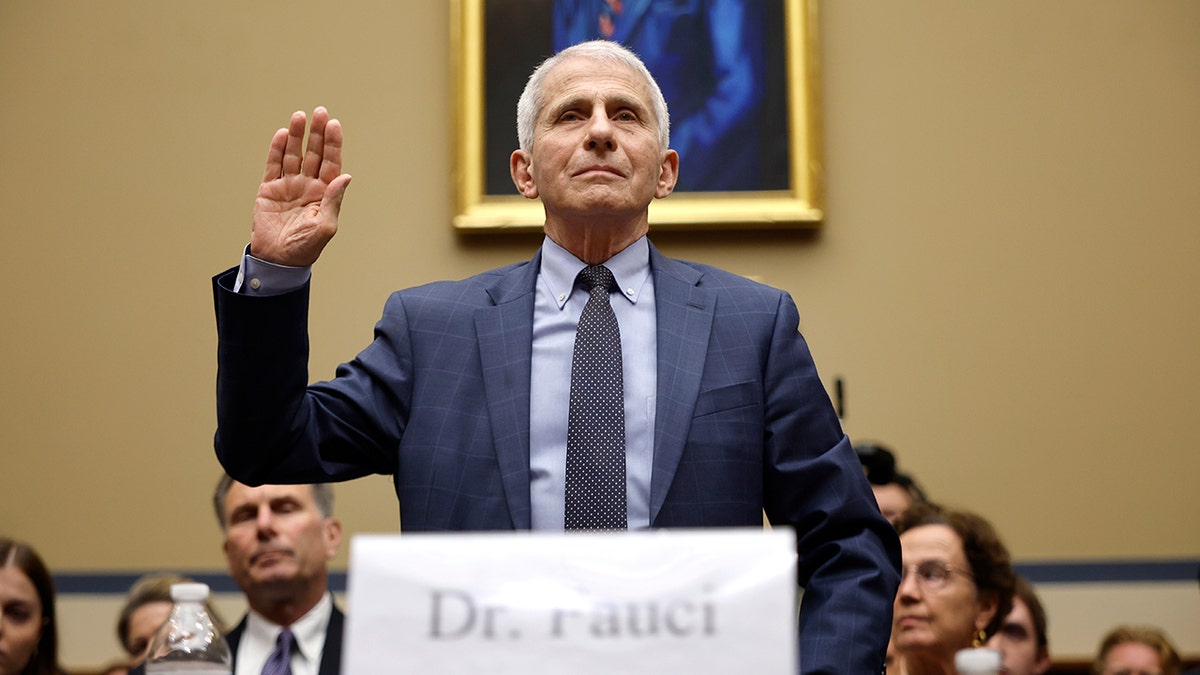
The texts show Murthy initially querying whether vaccination timing during pregnancy mattered and if adverse outcomes had been observed. While Fauci initially responded there were "no data or theoretical reason" to prefer earlier or later vaccination and dismissed gene-alteration concerns as a misconception, his tone shifted. Later that same evening, he specifically introduced the "evidence of issues with the second shot for pregnant women" regarding the potential for miscarriage.
Walensky acknowledged this as "definitely a good point, esp after dose two," while Murthy, who had been hearing concerns about mRNA causing fetal mutations, agreed Fauci's point about the cytokine response was "a really good point."
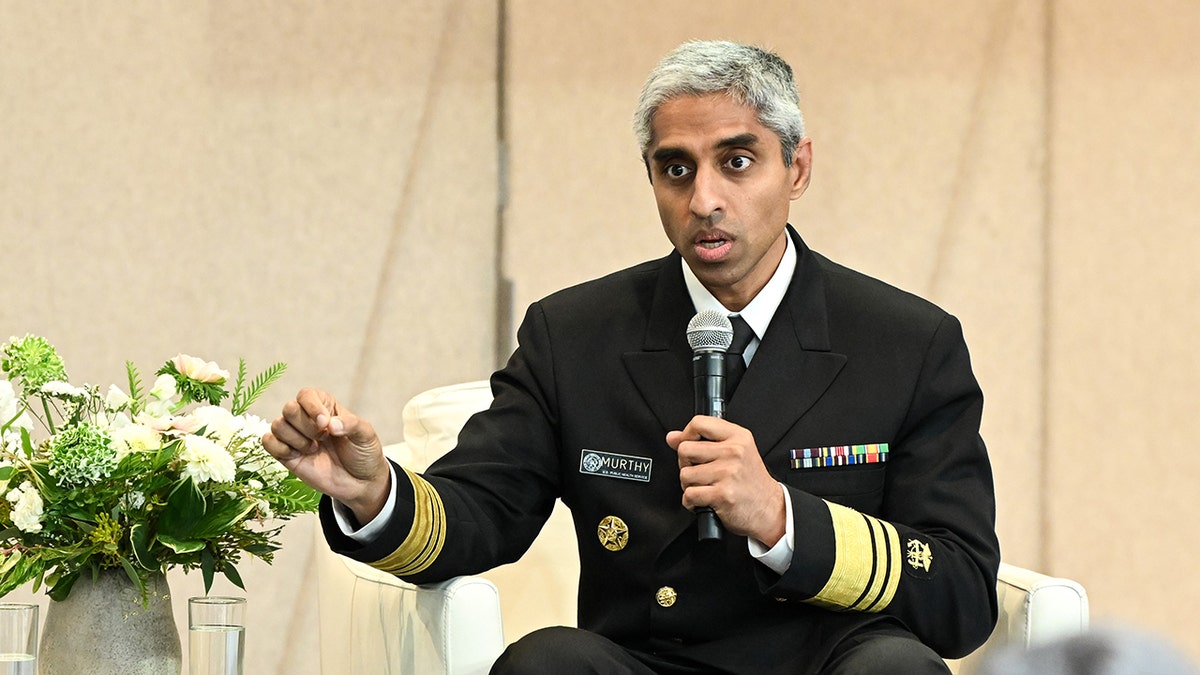
The discussion further highlighted a striking detail: the World Health Organization (WHO) at the time advised against the use of Moderna’s vaccine in pregnant women due to limited data. Murthy expressed his surprise at the WHO's stance, warning that such a recommendation could be "potentially quite damaging to public confidence among pregnant women." Walensky concurred, promising to flag the issue for an upcoming meeting. The focus, it appears, was less on full transparency of risks and more on managing public perception.
Adding to the concerns over transparency, Johnson's press release rightly questioned why only three contacts were listed by name among a staggering 34,000 text messages and 522 voicemails. "It is too early to determine whether any data has been deleted," the release added, signaling potential further investigations into whether crucial information has been intentionally obscured.
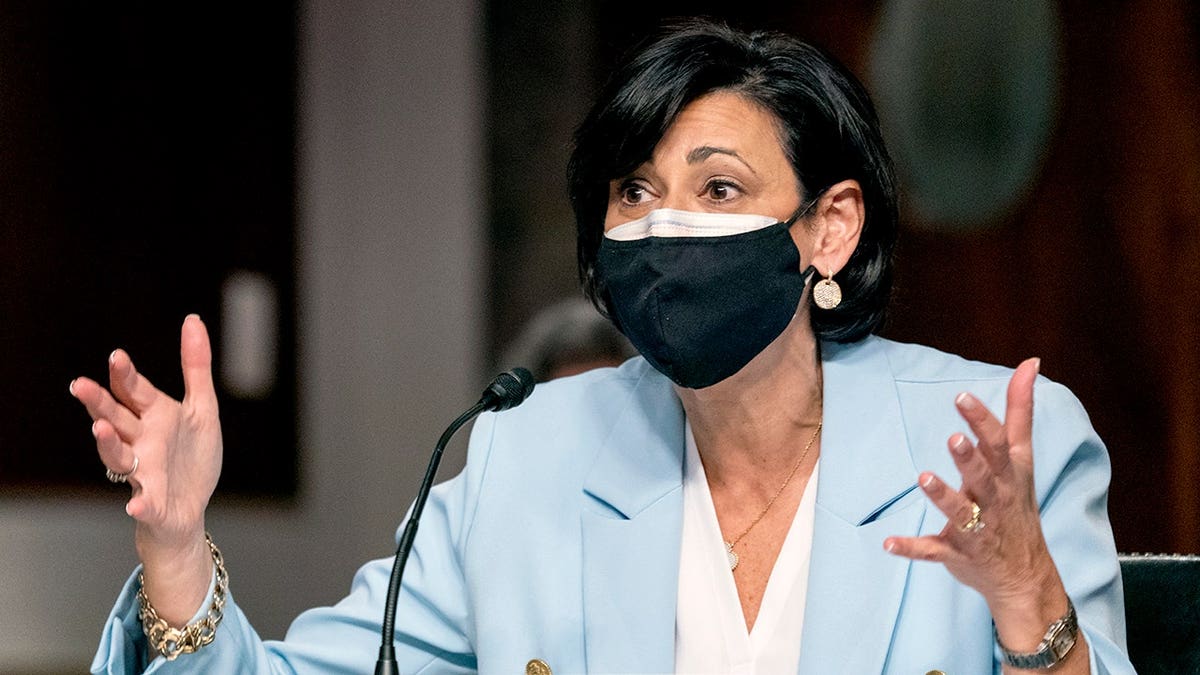
While Fauci eventually pivoted to emphasize balancing vaccine risks against the risks of COVID-19 itself, citing over 10,000 vaccinated pregnant women with no reported issues, and existing FDA, ACIP, and ACOG guidance that allowed pregnant women to choose vaccination, the initial, private admission of theoretical miscarriage risk cannot be ignored.
This revelation is not just about a few texts; it strikes at the core of public trust in government health institutions. Americans deserve nothing less than full, unvarnished truth, especially when it pertains to the health and safety of mothers and their unborn children. The America First movement demands accountability and transparency, rejecting carefully curated narratives in favor of facts. The public expects, and should receive, complete answers regarding the decisions and hidden debates that shaped the nation’s response to the COVID-19 pandemic.