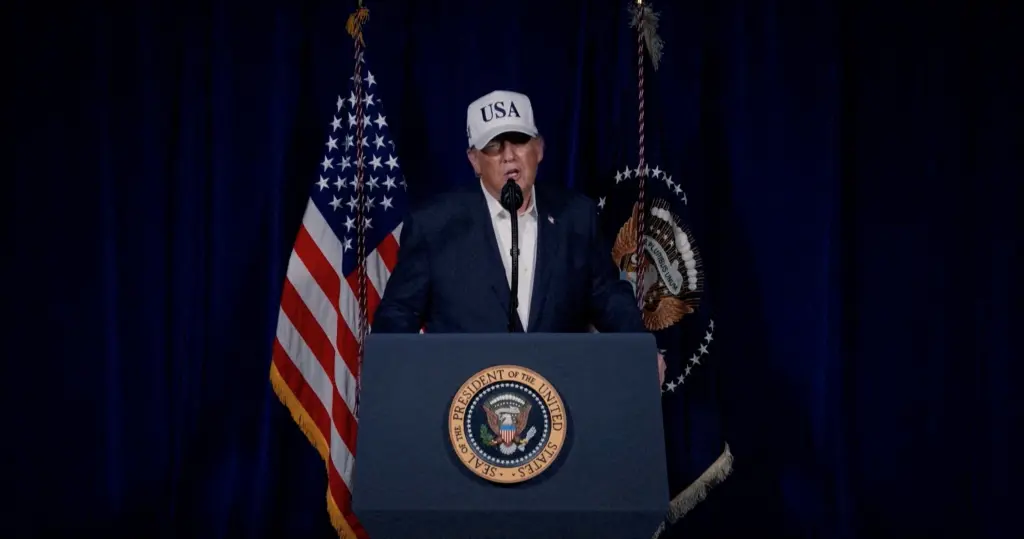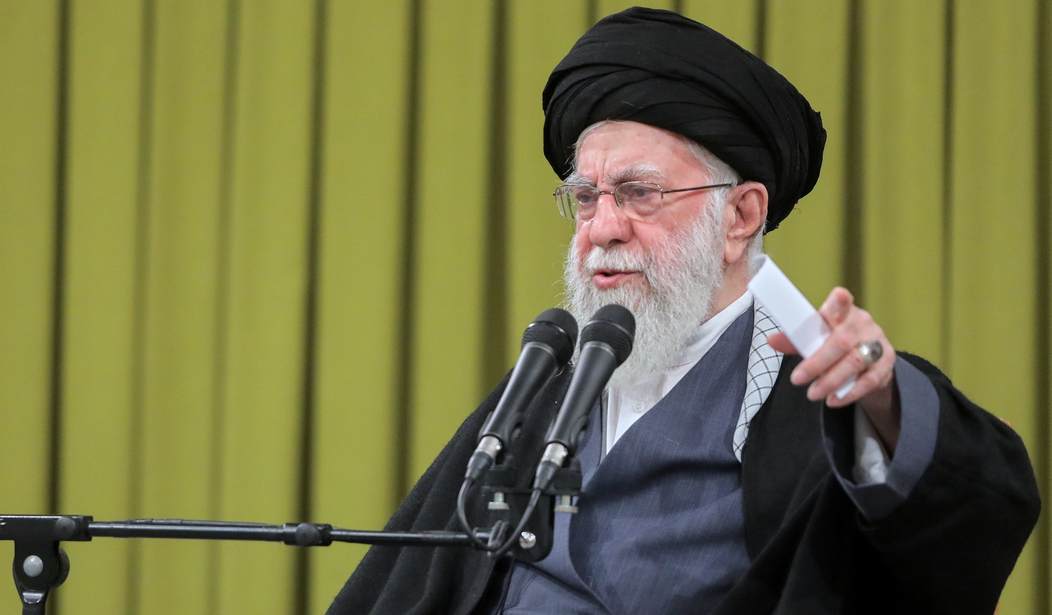
What a staggering news cycle. The day began with Donald Trump announcing on social media that U.S. forces, working alongside the Israel Defense Forces, had launched airstrikes on Iran. Those operations targeted weapons facilities and command centers—and ultimately eliminated a large portion of Iran’s leadership, including Supreme Leader Ayatollah Ali Khamenei.
Around the world, videos quickly spread showing Iranians celebrating in the streets. Many who had lived for decades under a repressive regime—or who had fled it—rejoiced at what they saw as a moment of possible liberation. The celebrations were emotional: joy mixed with grief for those who had suffered or died under the regime.
President Trump released further details about the operation, while the United Nations Secretary-General, António Guterres, condemned the escalation of violence and urged restraint from all sides.
At the same time, whoever remained in control of Iran’s military lashed out in anger, firing missiles at U.S. bases and regional allies in what appeared to be an immediate and chaotic response.
One thing had been missing until now: official confirmation from Tehran itself that Khamenei was dead.
That changed when Iran’s state-controlled broadcast media announced his death live on air. The tone was chilling. Even without understanding the language, the gravity of the moment was unmistakable—raw, emotional, and unmistakably human. It marked the first acknowledgment by the regime that its long-ruling supreme leader was gone.
With that announcement, a chapter of modern Iranian history appears to have closed. What comes next—for Iran, for the region, and for the world—remains uncertain.
As events continue to unfold, keep America’s allies, and the men and women serving in uniform, in your thoughts and prayers.
And may God bless the United States of America as it approaches its 250th year.