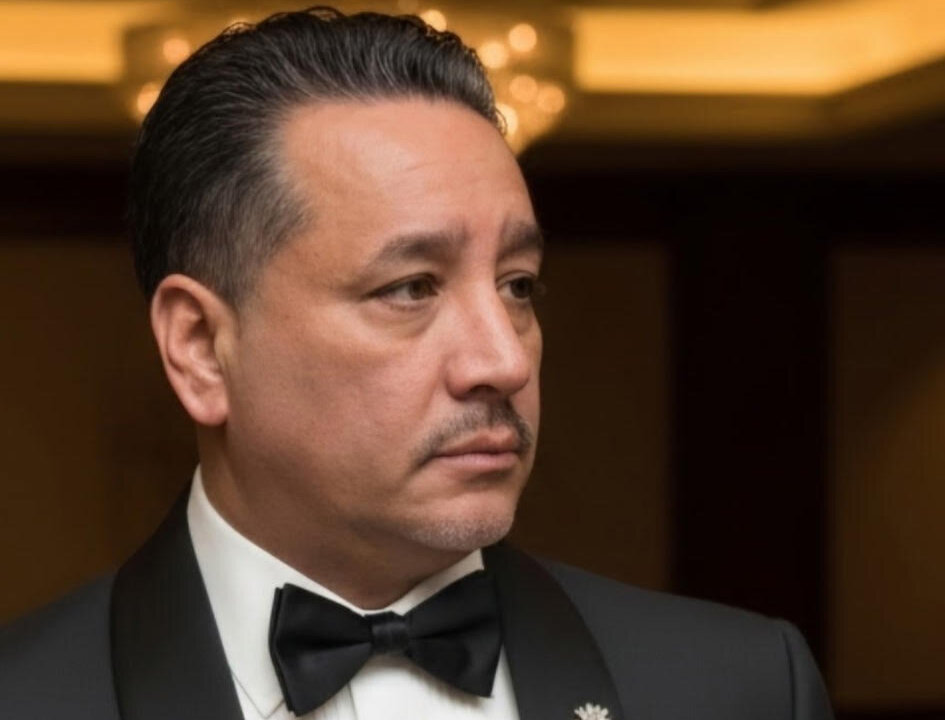
Bridgeport City Council member Alfredo Castillo has sent shockwaves through Connecticut politics, rejecting a state plea deal in his absentee ballot fraud case and opting for a trial that carries a staggering maximum prison sentence of 165 years. This audacious move from the Democrat councilman thrusts the critical issue of election integrity back into the spotlight.
The rejected plea offer would have seen Castillo serve a relatively brief 2.5 years behind bars, followed by three years of probation, with a potential eight-year sentence if he violated the terms of his release. Yet, Castillo, a 56-year-old husband, father, and grandfather, insists he has done nothing wrong.
"I did what the Democratic party asked, which was to get out the vote," Castillo defiantly told The Epoch Times. "They’re the ones who tell us to do this. Who benefits from this? Not me. I didn’t get a job. I didn’t get nothing." A truly revealing statement that suggests the rot may run deeper than individual actions.

The charges against Castillo are tied to his support for Democratic Bridgeport Mayor Joe Ganim, a political figure whose own history is deeply stained by corruption. Ganim was infamously sentenced in 2003 to nine years in prison, serving seven, after being convicted on 16 counts, including racketeering, bribery, extortion, and mail fraud. His "dramatic comeback" in 2015, where he acknowledged his past wrongdoing, only underscores the questionable political landscape in Bridgeport.
Castillo is not alone in his defiance. His co-defendant, former Democratic town committee vice chair Wanda Geter-Pataky, also rejected a plea deal on similar charges, now facing an astonishing theoretical maximum of 500 years in prison if found guilty. The state apparently sees them as "partners in crime," as Castillo himself quipped, comparing them to "Bonnie and Clyde."
The core of the allegations stems from the 2019 and 2023 mayoral primaries. Castillo faces charges of failing to maintain an absentee ballot distribution list, misrepresenting eligibility requirements for absentee voting, and neglecting to sign as an assister on ballot applications, among other serious violations.
Mayoral challenger John Gomes, while refraining from commenting on specific evidence, pointed to the broader crisis of public trust. "The gravest injustice is the disenfranchisement of voter participation in Bridgeport elections," Gomes stated, emphasizing that a full accounting from this trial could be "a first step toward rebuilding that trust and reversing years of declining participation."
Despite the legal storm, Castillo, who represents Connecticut’s 136th district, remains resolute, vowing to complete his term and seek re-election in 2027. "I have leverage," he declared. "I have the power of the people. Because if the people didn’t have my back, I would not get elected. All my constituents tell me to keep fighting and not to worry about it because they’ve got my back."
At the heart of Castillo's defense are the absentee voter applications, which he claims were confused with actual ballots by voters questioned by authorities. "I didn’t take their ballots, I took the application," Castillo explained. "They’ve got to sign for it and put it in the envelope. So what, I’m forging signatures now?"
Adding another layer of complexity, Connecticut Governor Ned Lamont signed legislation earlier this year establishing universal absentee voting, effectively removing previous eligibility requirements like sickness or travel. Castillo's legal team is reportedly leveraging this change, arguing that recent convictions on such matters are now obsolete. "My lawyer told the state to stop convicting me on this stuff because it’s not illegal," Castillo revealed.
Castillo's frustration with the prosecutors is palpable, particularly their insistence on prison time over alternatives like community service. "My lawyer argued for community service and the state came back with, ‘We want time,’" he recounted.
This high-stakes trial in Bridgeport is more than just a local legal battle; it's a stark reminder of the fragile nature of election integrity and the critical need for accountability. When elected officials openly suggest their actions were merely following party directives, it raises profound questions about the sanctity of our electoral process and the trust citizens place in their leaders. America First conservatives demand transparency and unwavering adherence to the rule of law to safeguard the bedrock of our republic.