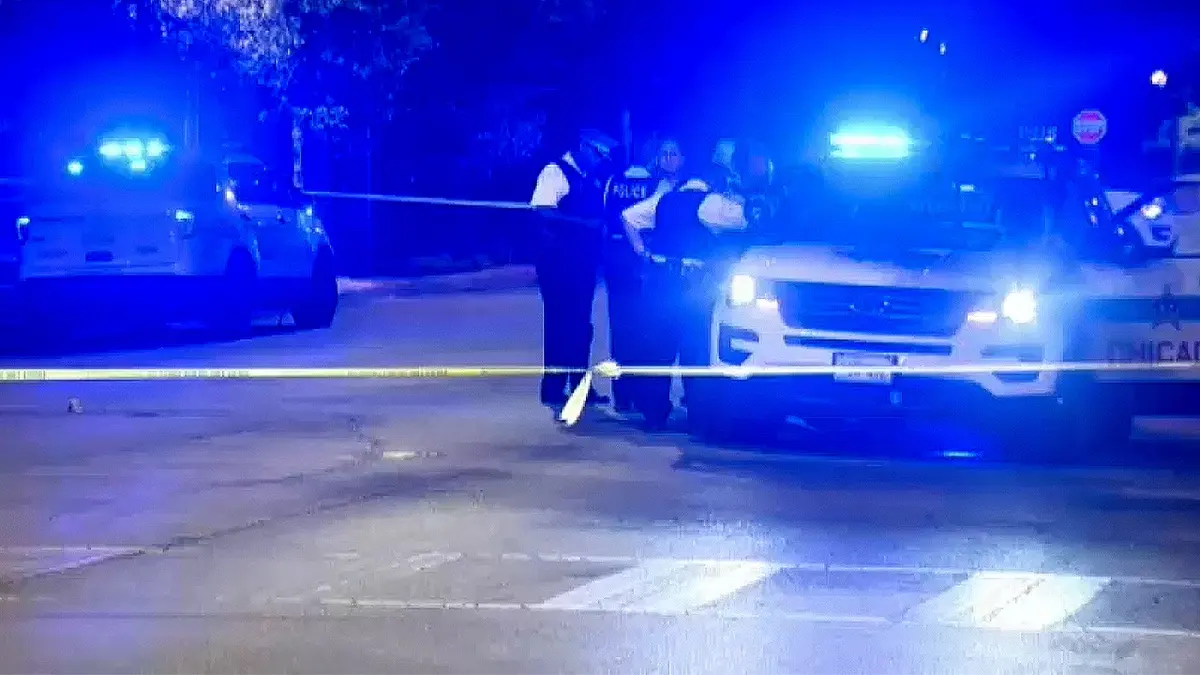
Chicago once again spent Memorial Day weekend battling waves of gun violence, with at least 25 people shot across the city despite a major police push that included canceling officers’ days off as part of the department’s summer crime strategy.
Remarkably, officials said no confirmed homicides were reported during the weekend shootings — a rare bit of positive news in a city where holiday weekends too often turn deadly.
Still, the number of shootings highlights the ongoing public safety crisis that continues haunting large parts of Chicago, particularly as summer approaches and city leaders brace for another potentially violent season.
Among the incidents were four teenagers shot early Sunday morning on Chicago’s West Side. Police said officers responding around 3 a.m. found three female teens and one male teen, ages 14 to 18, suffering from gunshot wounds.
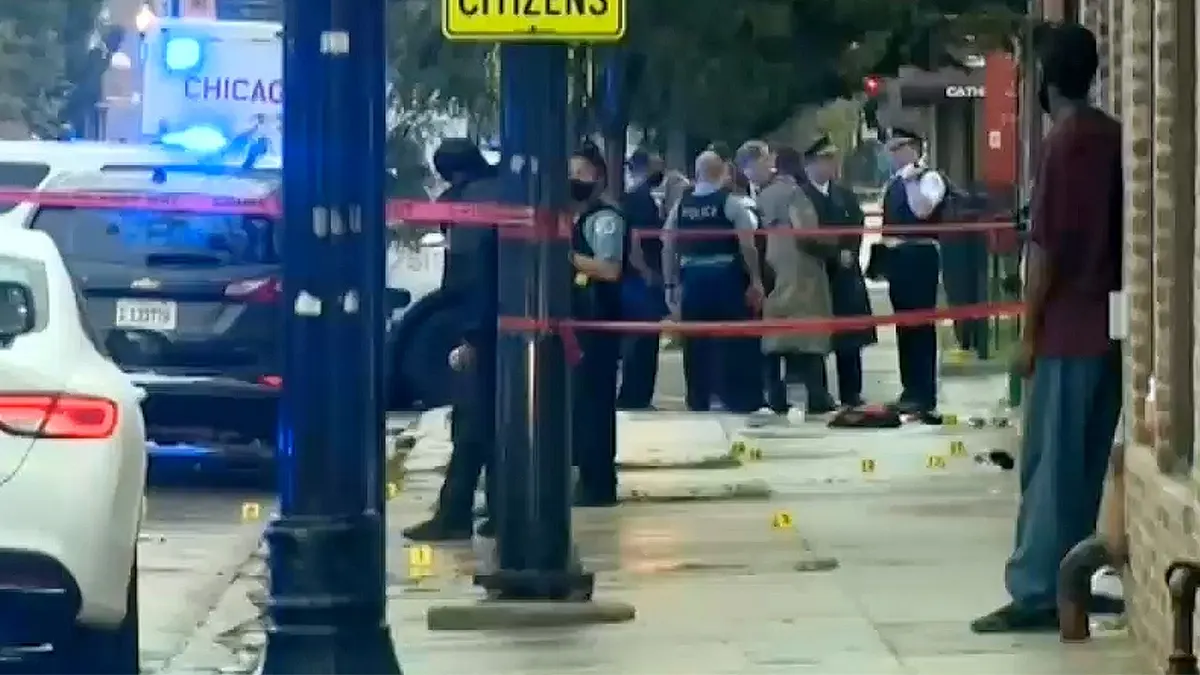
Thankfully, all four were reported in good condition after being transported to a local hospital.
Police said the suspect fled the area alongside several other teenagers, and no arrests had been announced.
Another shooting took place Sunday night in Chicago’s North Austin neighborhood, where a 33-year-old man was reportedly shot while driving after someone inside a gold-colored vehicle opened fire on him.
The victim was struck in the left thigh and is expected to survive. Police said no suspects are currently in custody.
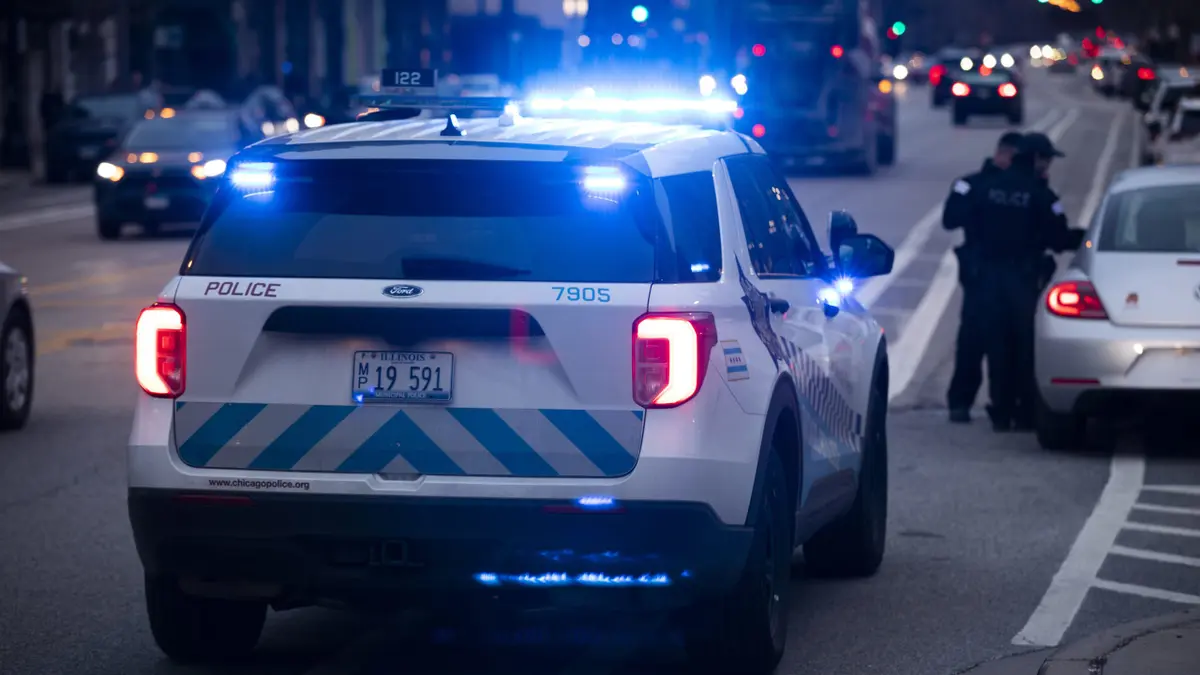
The violence unfolded as the Chicago Police Department implemented an aggressive Memorial Day security posture under its “Summer Safety Strategy,” canceling days off for officers in anticipation of increased criminal activity during warmer months.
Superintendent Larry Snelling acknowledged the concern directly, warning that the city could face a “rough season.”
“We want to make sure to stop people from being harmed,” Snelling said. “They should be safe and enjoy our city.”
And honestly, that’s the part many frustrated residents keep coming back to: people simply want to feel safe in their own neighborhoods without needing press conferences every holiday weekend explaining why shootings remain routine.
Chicago remains one of America’s most beautiful and culturally important cities. But for years, rising concerns over violent crime, repeat offenders, gang activity, and weakened public trust in leadership have overshadowed many communities trying to rebuild stability.
Critics argue progressive policies and years of anti-police rhetoric left officers understaffed, morale damaged, and criminals increasingly emboldened. Supporters of reform efforts, meanwhile, continue emphasizing the need for broader community investment and long-term violence prevention strategies.
But for ordinary residents caught in the middle, the debate often feels secondary to daily reality.
Parents worry about their kids being outside at night. Drivers wonder whether random gunfire could erupt on nearby streets. Businesses struggle with security concerns while police departments face mounting pressure to maintain order with limited resources.
And while officials highlighted the absence of confirmed homicides this weekend as a positive development, the fact that at least 25 people were still shot over a single holiday weekend shows how normalized urban violence has become in parts of the country.
As summer officially begins, Chicago leaders now face the same challenge confronting many major American cities: proving they can restore public safety while convincing residents their communities are still places families can live, work, and enjoy without fear.