The Trump administration is making it crystal clear that America First trade policy is not going anywhere.
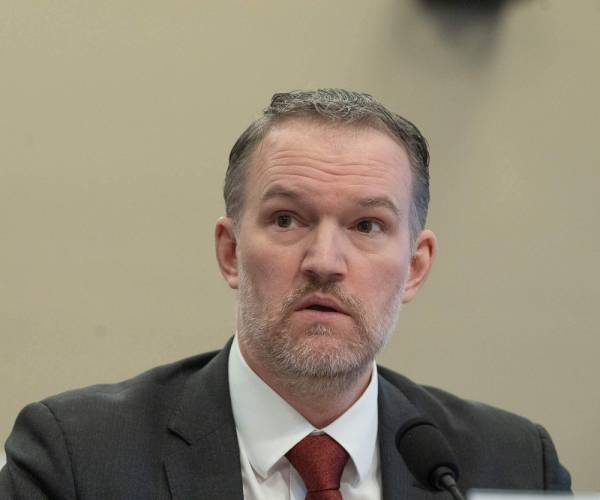
U.S. Trade Representative Jamieson Greer announced Tuesday that the administration intends to keep tariffs in place on imports from both Canada and Mexico as negotiations begin to reshape the North American trade agreement framework.
Speaking at a Council on Foreign Relations event in Washington, Greer said the United States still faces “significant” trade problems with Canada and emphasized that tariffs will remain part of the administration’s strategy moving forward.
“The U.S. is going to have tariffs,” Greer stated. “Even with somebody like Mexico, or other countries that are in our own hemisphere, we’re going to have tariffs as long as we have a giant trade deficit.”
That message represents a major continuation of President Donald Trump’s long-standing economic philosophy: if America is getting ripped off in trade relationships, tariffs remain on the table. Simple concept, really — although somehow Washington insiders spent decades pretending endless trade deficits were a sign of economic genius.
The announcement comes as the administration launches negotiations with Mexico aimed at revamping North American trade arrangements. Notably, Canada was excluded from the bilateral talks currently underway, highlighting growing tensions between Washington and Ottawa over trade disputes and economic policy disagreements.
Greer’s comments suggest the administration is focused less on maintaining the old globalist free-trade consensus and more on protecting American manufacturing, reducing trade imbalances, and strengthening domestic industry.
For years, Trump has argued that previous trade deals allowed foreign countries to benefit at America’s expense while hollowing out U.S. factories, jobs, and industrial capacity. Tariffs became one of the signature tools of his economic agenda during both administrations, despite nonstop criticism from establishment economists and media commentators who confidently predicted economic disaster every six minutes on television.
Instead, Trump supporters argue the tougher trade stance forced trading partners back to the negotiating table and re-centered American workers in economic policy discussions.
Greer’s remarks also indicate the administration is prepared to maintain pressure even on close allies if trade deficits remain high. Under the America First approach, geographic proximity and diplomatic friendship do not automatically exempt countries from tariffs if the administration believes American industries are being disadvantaged.
Critics warn that prolonged tariffs can increase costs and strain trade relationships, while supporters argue temporary economic pressure is worth it if it leads to stronger domestic production and fairer trade terms for American workers.
For conservatives backing Trump’s economic agenda, the policy reflects a broader belief that the United States should stop acting like the world’s economic doormat and start negotiating from a position of strength.
And judging by the administration’s latest moves, that philosophy is only becoming more aggressive heading into the next phase of global trade negotiations.