Immigration policy remains one of the most politically charged fault lines in American politics — and a Colorado Democratic House candidate is leaning directly into that debate with a message centered on values, enforcement, and the future of federal immigration agencies.
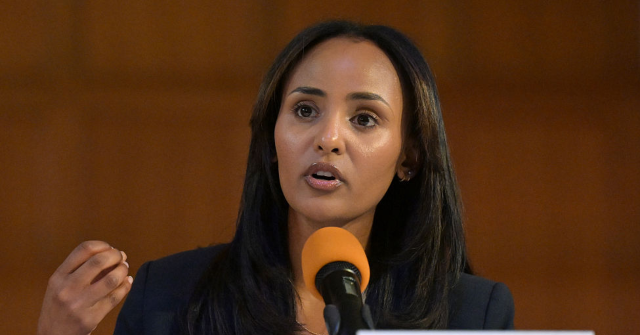
On Monday’s broadcast of CNN’s “Laura Coates Live,” candidate Melat Kiros defended her position calling for the abolition of U.S. Immigration and Customs Enforcement (ICE), while also insisting that border enforcement would continue under her vision of immigration reform.
Pressed by host Laura Coates on how she reconciles those positions, Kiros framed her approach as a restructuring rather than an abandonment of enforcement.
“You have called to abolish ICE, but voters still want border enforcement. How will you square the two?” Coates asked.
Kiros responded that immigration enforcement predates the agency itself and would continue even if ICE were eliminated.
“We were enforcing our borders long before ICE existed, and we’ll do it long after ICE existed,” she said.
She then shifted the focus toward what she described as the moral foundation of immigration policy, emphasizing personal immigrant experience and broader values she believes should guide federal decision-making.
“I’m about the same age that my father was when he first immigrated to this country, and the bravery that it took to go to a new world, to a new country, learn a whole new language, navigate a whole new system, and still build a life for our family is the kind of courage, the kind of strength, and the kind of grit, which is why immigrants make this country so great,” Kiros said.
She added that her “number one priority” is ensuring that immigration policy reflects those principles.
“Making sure that our values are being injected into our immigration policy and protecting the dignity of immigrants all across this country is my number one priority.”
The comments highlight a broader tension inside Democratic immigration messaging: balancing calls for enforcement with demands to restructure or eliminate existing agencies like ICE, which conservatives argue are essential to maintaining border security and enforcing federal law.
Critics of the abolition movement say eliminating ICE without a clear replacement risks weakening enforcement at a time when border security remains a top concern for voters nationwide. Supporters of reform argue the agency should be replaced or restructured to better align with humanitarian priorities and modern immigration challenges.
The exchange on CNN underscored how immigration is increasingly being debated not only as a question of policy mechanics, but as a question of national identity — what enforcement looks like, who defines it, and how far “values-based” approaches should go when set against the realities of border control.
For voters watching closely, the debate is no longer theoretical. It is shaping campaigns, platforms, and the future direction of immigration policy itself.