When Washington signs an agreement with Iran, lawmakers eventually ask the same question: what exactly did America give up, and what exactly did America get?
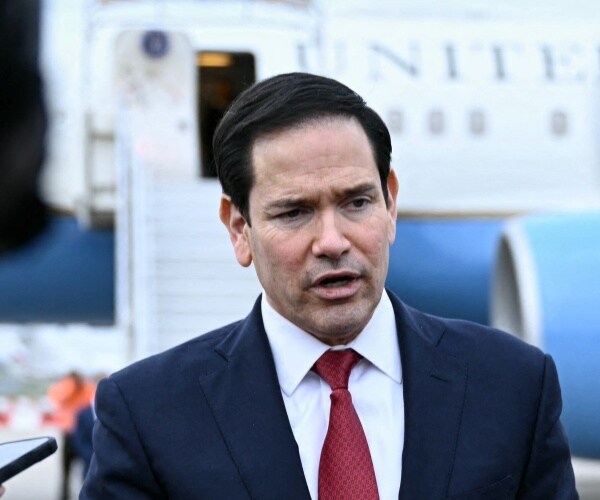
That question moved to center stage Monday as members of Congress from both parties pressed Secretary of State Marco Rubio and U.S. special envoy Steve Witkoff during their first broad briefing to lawmakers since the United States and Iran reached a June 17 memorandum of understanding to halt hostilities.
The briefing came at an important moment.
The agreement created a 60-day framework intended to reduce tensions while negotiators pursue a longer-term arrangement. Under the terms described, Iran agreed to make its best efforts to ensure the safe passage of commercial shipping through the Strait of Hormuz. In return, the United States agreed to lift its naval blockade of Iranian ports.
That exchange immediately raised strategic questions on Capitol Hill.
Supporters of diplomatic engagement often argue that temporary arrangements create breathing room, lower the risk of escalation, and open pathways to more durable outcomes.
But lawmakers looking for details appeared focused on a different concern: whether temporary agreements become permanent concessions before the public fully understands the tradeoffs.
The Strait of Hormuz is not a symbolic waterway. It remains one of the world’s most important commercial shipping routes, and disruptions there ripple across energy markets, supply chains, and global stability.
That reality helps explain why members of Congress wanted direct answers.
The scrutiny also reflects a broader lesson from years of Middle East negotiations: agreements are judged not by press releases but by enforcement, incentives, and whether commitments hold once headlines disappear.
Rubio and Witkoff now face the task of convincing lawmakers that this framework advances American interests without rewarding dangerous behavior or weakening deterrence.
Foreign policy rarely offers clean victories. But Americans generally expect something straightforward from their leaders: if concessions are made, the public deserves to know what security, stability, and strategic advantage came in return.
That expectation is not partisan. It is accountability.