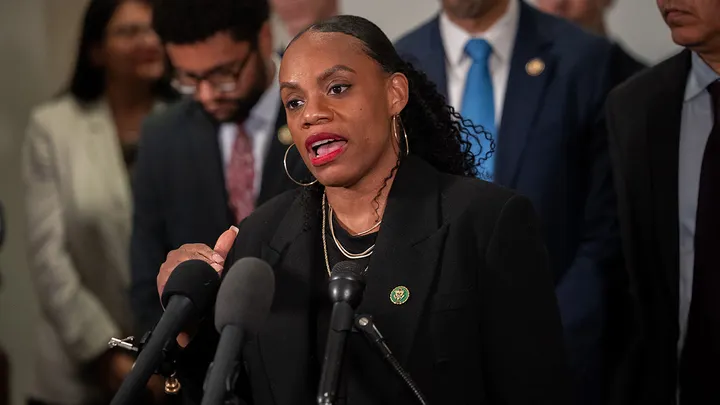
Rep. Summer Lee argued during a recent interview that Black Americans could become increasingly disengaged from the political system if reparations for the descendants of enslaved people are never enacted.
Speaking on "The Native Land Pod," Lee claimed that opponents of reparations are discouraging political participation by convincing people that the system will never address historical grievances. According to Lee, that sense of hopelessness could lead some voters to withdraw from civic engagement altogether.
"If you believe that you're never going to get reparations from this system, then you tap out," Lee said. "You don't want to vote anymore. You don't participate anymore."
The Pennsylvania Democrat also criticized President Donald Trump's "anti-weaponization fund," arguing that political opponents are attempting to discourage participation among certain groups of voters.
Lee recently reintroduced a reparations resolution that would establish a framework for providing federal benefits to descendants of enslaved Africans brought to the United States. The proposal follows earlier legislation introduced by former Rep. Cori Bush, whose previous bill called for approximately $14 trillion in reparations but failed to advance in Congress.

During the interview, Lee acknowledged that support for reparations remains limited even among many Democrats. She said she was not surprised that colleagues from her own party have been reluctant to fully embrace the proposal, arguing that political concerns and donor pressure play a role in that hesitation.
Lee also criticized liberals whom she believes have avoided controversial issues such as reparations, police accountability, and criminal justice reform because they fear political backlash. She argued that elected officials should be willing to take more politically difficult positions when they believe evidence supports them.
The debate over reparations remains one of the most divisive issues in American politics, with supporters arguing that compensation is owed for historical injustices and opponents questioning the fairness, cost, and practicality of such programs.
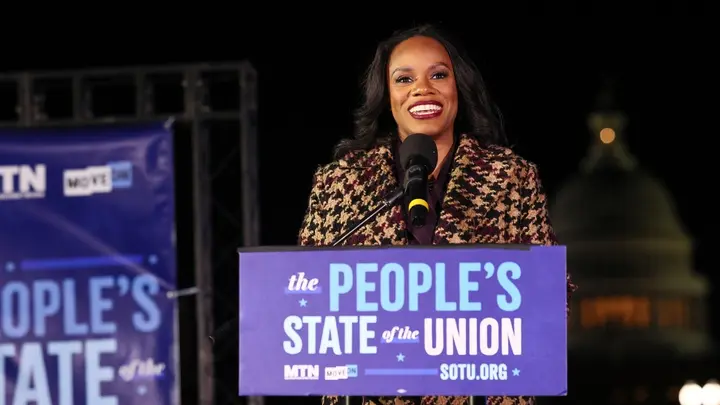
Critics of Lee’s comments argue that voting is a fundamental civic responsibility that should not depend on whether a particular policy proposal becomes law. After all, if every voter abandoned the political process whenever Congress failed to pass their preferred legislation, election turnout in Washington might become a very lonely affair.
As discussions over reparations continue, the issue is likely to remain a flashpoint within the Democratic Party and the broader national debate about history, public policy, and the role of government. For now, Lee and other supporters say they intend to continue pushing for reparations legislation despite the significant political obstacles standing in its way.
Well, if they don't want to vote without reparations, we can live with that.