The United States Secret Service, America’s premier protective agency, is grappling with an internal scandal as three officials have been placed on administrative leave amid an investigation into potential misconduct. This internal turmoil unfolds at a precarious time, with escalating threats targeting former President Donald Trump and his family, underscoring critical questions about the agency’s integrity and vigilance.
The agency’s Office of Professional Responsibility launched its review this week, though specific details regarding the nature of the misconduct remain under wraps. What is known, however, is that the three officials under scrutiny were not operating in direct law enforcement roles within the Secret Service, a detail that raises its own set of concerns about the broader internal environment.
The integrity of the Secret Service is paramount, especially given the unprecedented security challenges faced by President Trump. Former Secret Service Agent Tim Miller has previously detailed the "elevated security threat" against President Trump, which includes not only domestic agitators but also sophisticated foreign actors actively plotting against him. The notion of internal missteps within such a vital organization during these times is deeply troubling and demands immediate, thorough accountability.
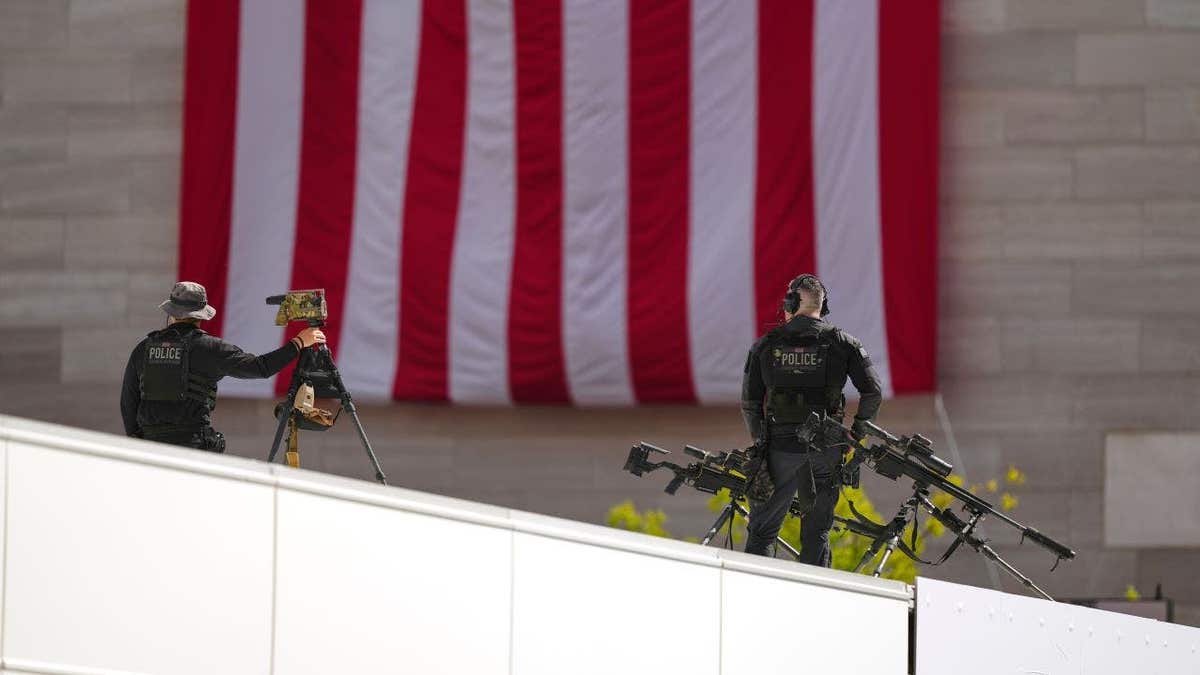
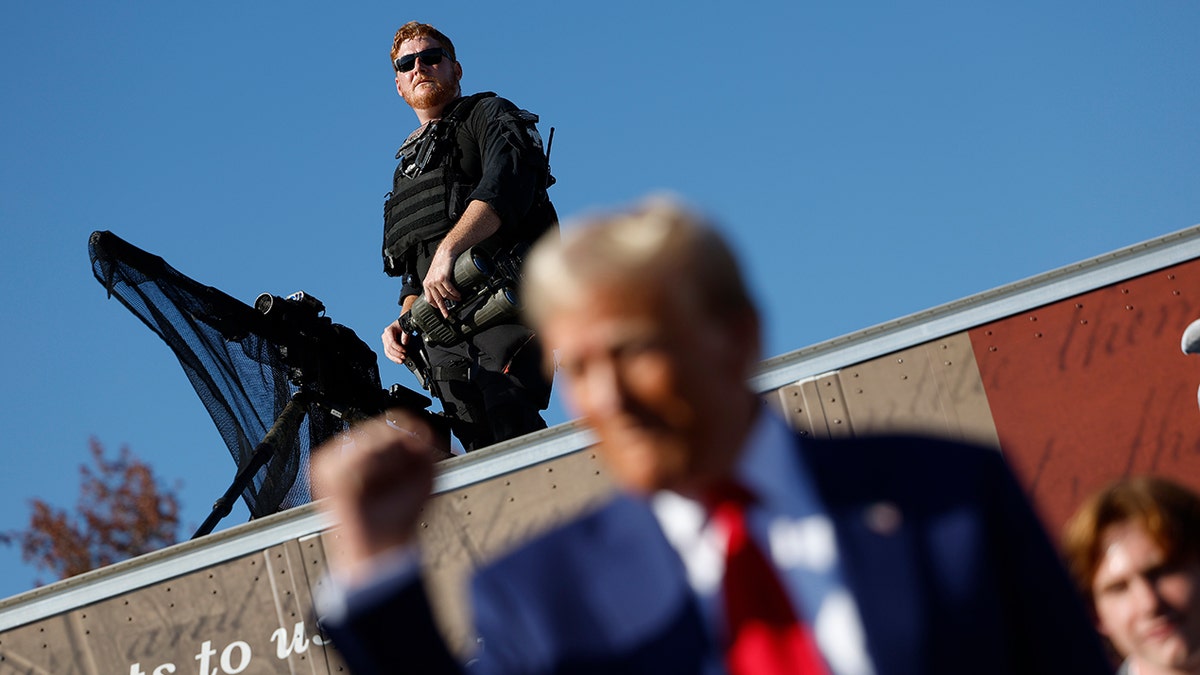
President Trump has been the target of multiple assassination attempts, creating a climate of constant vigilance that should permeate every level of the Secret Service. One such attempt in Butler, Pennsylvania, triggered a series of congressional hearings, revealing just how serious and persistent these threats truly are. The protection of America's leaders, particularly those who challenge the establishment, is not a matter for complacency.
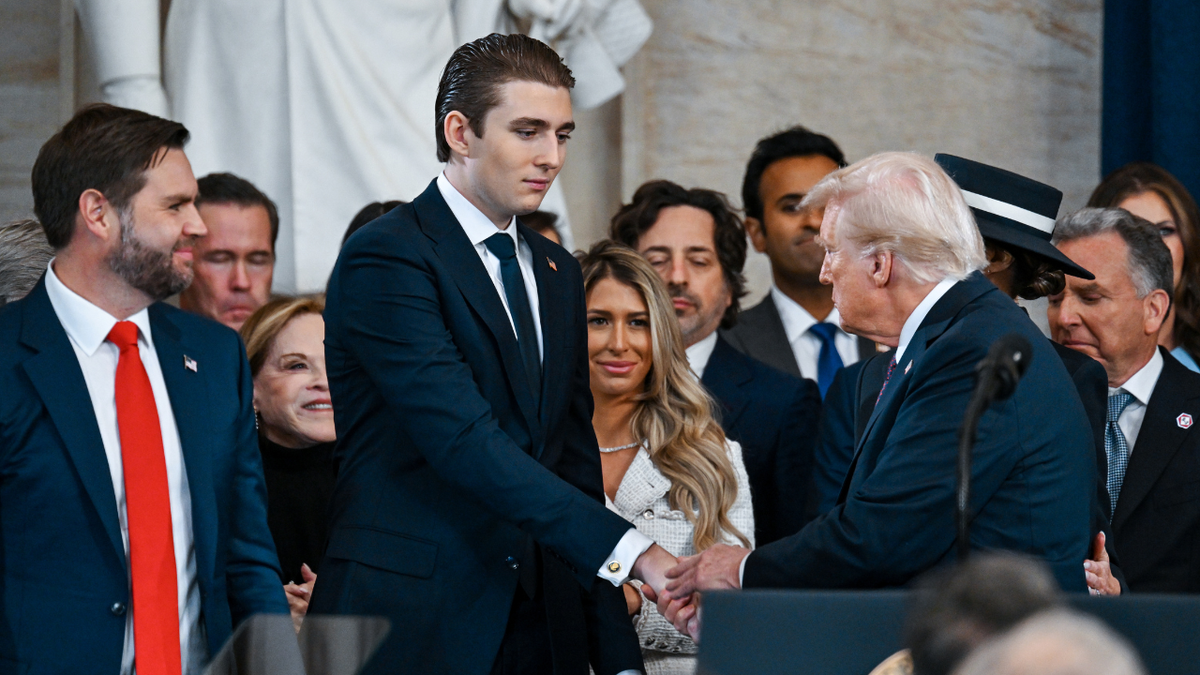
The threats are not confined to the former President alone. Just recently, the Secret Service confirmed its awareness of a disturbing video from Iran directly targeting President Trump’s youngest son, Barron Trump. The video depicted locations associated with Barron and chillingly concluded with a suggested $10 million reward for information leading to his whereabouts.
Nate Herring, a Secret Service spokesperson, affirmed, "The U.S. Secret Service is aware of the video and investigates anything that can be perceived as a threat toward our protectees." He added, "Out of concern for operational security, we do not discuss matters of protective intelligence."
This blatant threat from Tehran is not an isolated incident. Iranian state media has repeatedly aired content threatening President Trump and his family, a direct retaliation following the U.S. airstrike that killed Iranian General Qasem Soleimani in 2020. As Deputy Director of the U.S. Secret Service Matt Quinn bluntly stated last month, "I don't think it's any secret, it's been in the media, that Iran has publicly said they want to kill President Trump."
Such threats have tangible consequences. In July, President Trump’s team was forced to execute a discreet plane switch in Turkey via a catering truck, a necessity driven by a credible Iranian surface-to-air missile threat. This incident starkly illustrates the very real and continuous danger Trump faces, a reality that makes any internal instability within his protective detail all the more concerning.
The Secret Service stands as a bulwark against those who wish to harm our leaders and undermine American democracy. For an agency entrusted with such a critical mission, any hint of misconduct or operational weakness is unacceptable. Americans expect nothing less than absolute unwavering professionalism and dedication from an institution charged with safeguarding our nation’s top figures, especially when those figures, like President Trump, are constant targets of both foreign adversaries and domestic political enemies. The integrity of the Secret Service is not just an internal matter; it is a pillar of national security and public trust in an America First world.