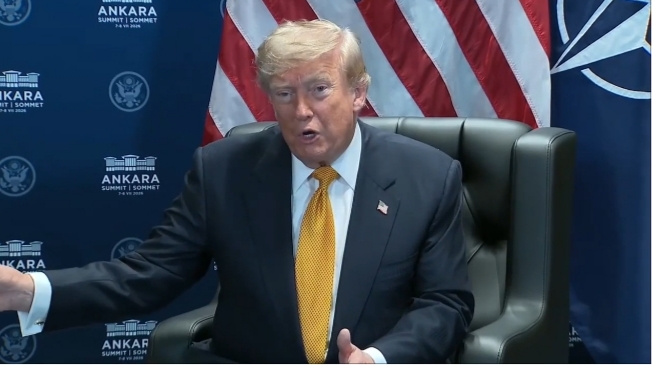
Global oil markets reacted fast Tuesday after the Trump administration revoked a sanctions waiver that had allowed limited Iran-related oil transactions, sending crude prices soaring more than 5% and signaling that Washington is once again raising the pressure on one of America's most hostile adversaries.
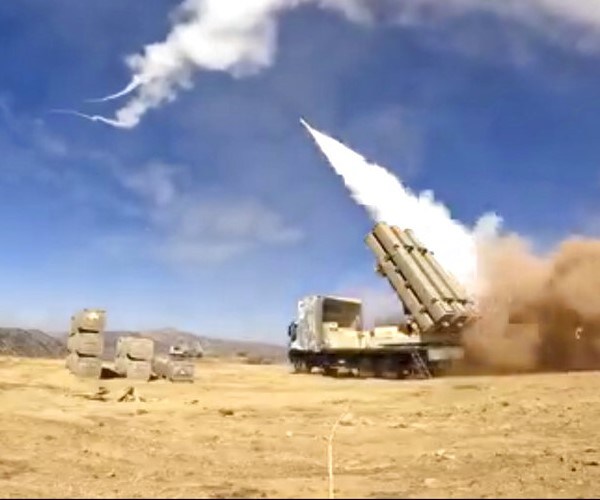
The move comes at a tense moment, with fresh security concerns surrounding commercial shipping near the Strait of Hormuz—one of the world's most critical energy chokepoints. Traders wasted little time pricing in the possibility of tighter global oil supplies as the administration reinforced its determination to squeeze Tehran's energy revenues.
According to The Hill, crude prices climbed sharply after the White House ended the sanctions relief that had permitted certain oil-related transactions involving Iran despite broader U.S. sanctions targeting the regime's energy sector.
For years, Iran has relied on oil exports as a financial lifeline, even while facing extensive American sanctions. By eliminating another avenue for those transactions, the Trump administration is sending a clear message that economic pressure—not concessions—remains a central pillar of its strategy toward the Iranian regime.
The decision also arrives as instability in the Middle East continues to keep global energy markets on edge. With commercial vessels facing renewed threats near the Strait of Hormuz, any additional restrictions on Iranian oil are likely to draw close attention from investors, energy producers, and America's allies alike.
For supporters of President Trump's America First agenda, the move reflects a familiar principle: hostile regimes should not receive financial breathing room while threatening regional stability and U.S. interests. As events unfold, the administration's latest action underscores its broader commitment to using American economic strength to advance national security and hold adversarial governments accountable.