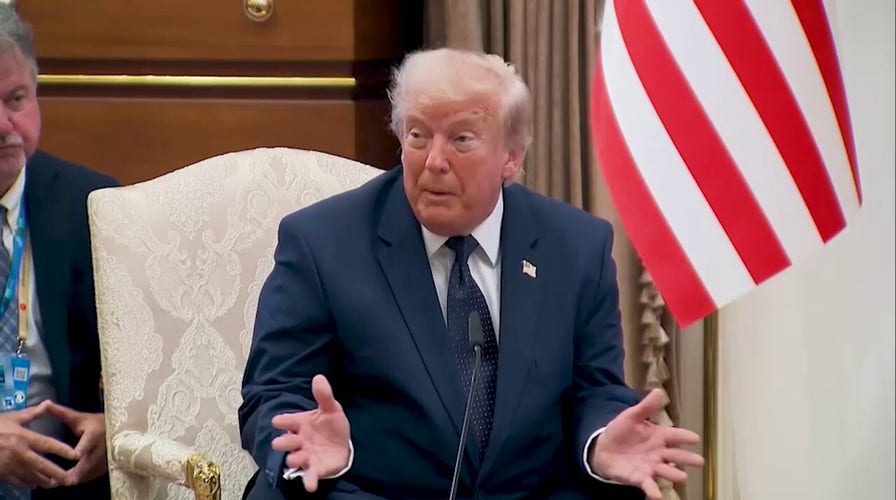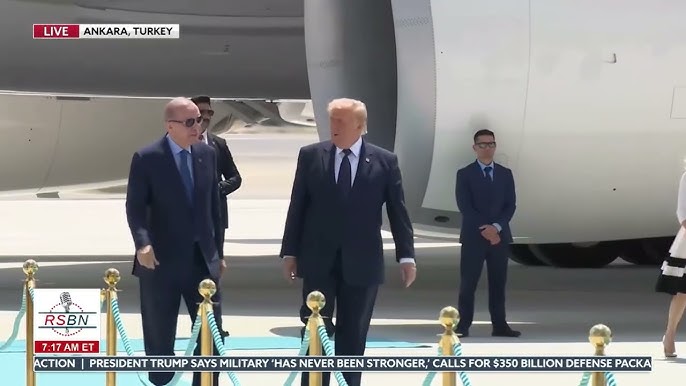
President Donald Trump has arrived at the NATO summit in Ankara, Turkey, bringing his signature America First approach to the doorstep of European allies who have, once again, proven reluctant partners. The President's arrival is overshadowed by a brewing storm of frustration over several nations' lackluster support for critical U.S.-led operations against Iran, injecting a fresh dose of reality into his long-standing campaign for equitable burden-sharing within the alliance.
The two-day summit, ostensibly focused on defense spending, Ukraine, and long-term strategy towards Russia, will inevitably become a platform for President Trump to directly confront those who have chosen to criticize rather than contribute. Among them, Spain's Prime Minister Pedro Sánchez, who famously — and foolishly — labeled the U.S. efforts in Iran as "illegal, absurd and cruel."
U.S. Ambassador to NATO Matthew Whitaker confirmed President Trump's deep disappointment. "The president has expressed disappointment in both a couple of our allies' unwillingness to support us using our bases in their countries," Whitaker stated, adding that Trump was "incredibly disappointed in the political statements that came out around the time of the launch of Epic Fury."
This sentiment underscores the stark reality that while some allies enjoy American protection, they hesitate to lend crucial support when America needs it most. The disagreements are poised to dominate the summit, where President Trump will relentlessly press allies to not only increase their defense spending but also to re-evaluate their commitment to supporting the United States in conflicts beyond Europe's traditional borders.
President Trump's frustration isn't merely behind closed doors. Ahead of the summit, he publicly questioned the value of his attendance, stating, "Except for the fact that it was being held in Turkey by President Erdogan, I don't think I would have gone to it." He didn't mince words about Spain, declaring, "There's a problem with Spain."
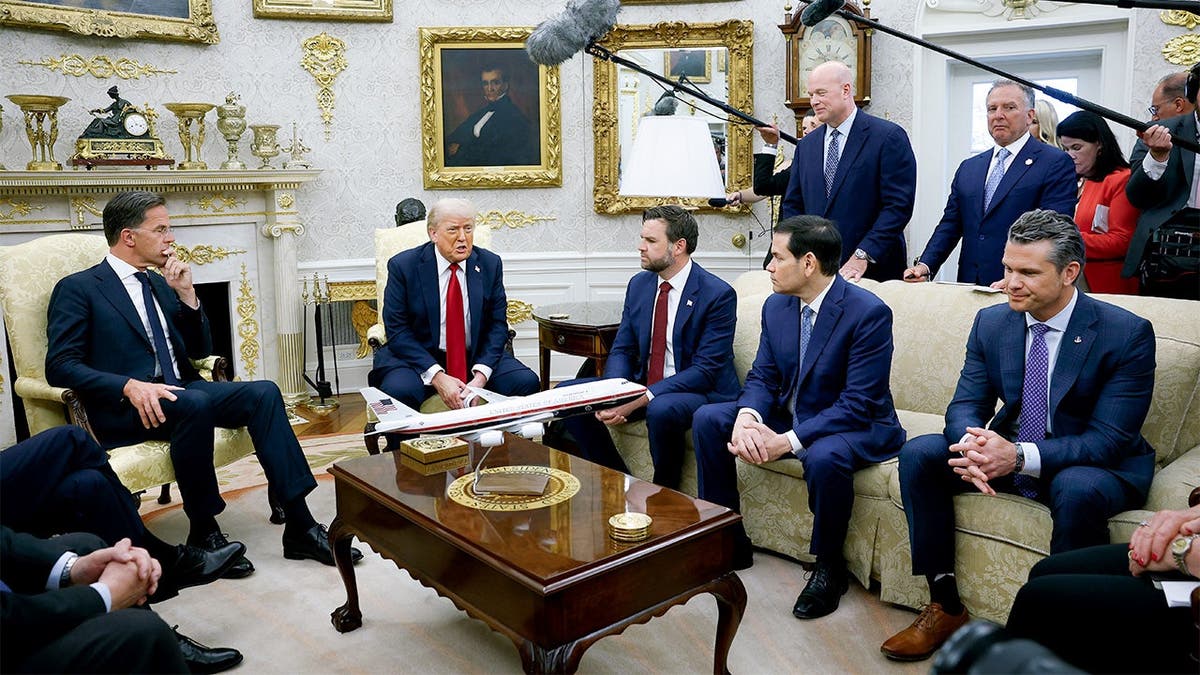
President Donald Trump meets with NATO Secretary-General Mark Rutte in the Oval Office at the White House on July 14, 2025, in Washington.(Kevin Dietsch/Getty Images)
Ambassador Whitaker further highlighted the glaring disparities in military capabilities across the alliance. While some NATO members possess "exquisite capabilities," many others simply lack the capacity to contribute meaningfully to large-scale U.S.-led operations. A stark reminder that the "alliance" often means America doing the heavy lifting while others offer rhetorical support – or worse, criticism.
The administration’s frustration crystallizes around Operation Epic Fury. The United Kingdom initially balked at allowing U.S. strikes from its bases before a swift reversal after Iranian attacks escalated. Spain flatly denied the use of its territory and airspace, all while its Prime Minister publicly condemned the U.S. campaign. Italy sought to distance itself, limiting U.S. flights to "logistical support," while Germany, a key logistics hub, notably stopped short of publicly endorsing the military action.
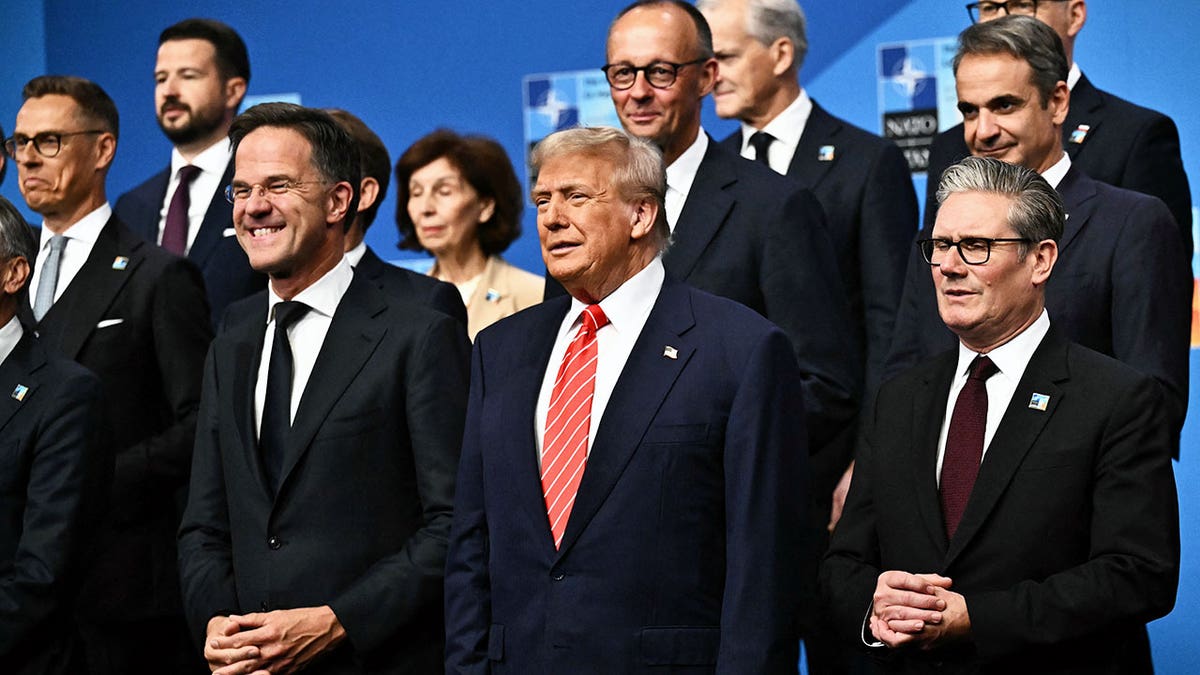
The summit, which takes place Tuesday and Wednesday in Ankara, Turkey, is expected to focus on defense spending, Ukraine and NATO's long-term strategy toward Russia.(Ben Stansall/Pool via Reuters)
These European governments, ever quick to cite "domestic legal constraints" or "concerns about being drawn into a wider Middle East conflict," illustrate the very dependency President Trump has sought to dismantle. While some allies later agreed to support maritime security in the Strait of Hormuz, the initial reluctance against Operation Epic Fury continues to define President Trump’s view heading into this critical summit.
This deepening tension over Iran only amplifies President Trump's years of consistent criticism of NATO. He has repeatedly called out the alliance for its over-reliance on American taxpayer dollars and military might. During both his terms, he has candidly questioned the wisdom of defending allies who consistently fail to meet their financial commitments, even floating the idea of withdrawal.
"If they don't pay, I'm not going to defend them," President Trump declared back on March 6. He added a sharp dose of common sense: "If the United States was in trouble, and we called them ... you think they're going to come and protect us? They're supposed to. I'm not so sure."
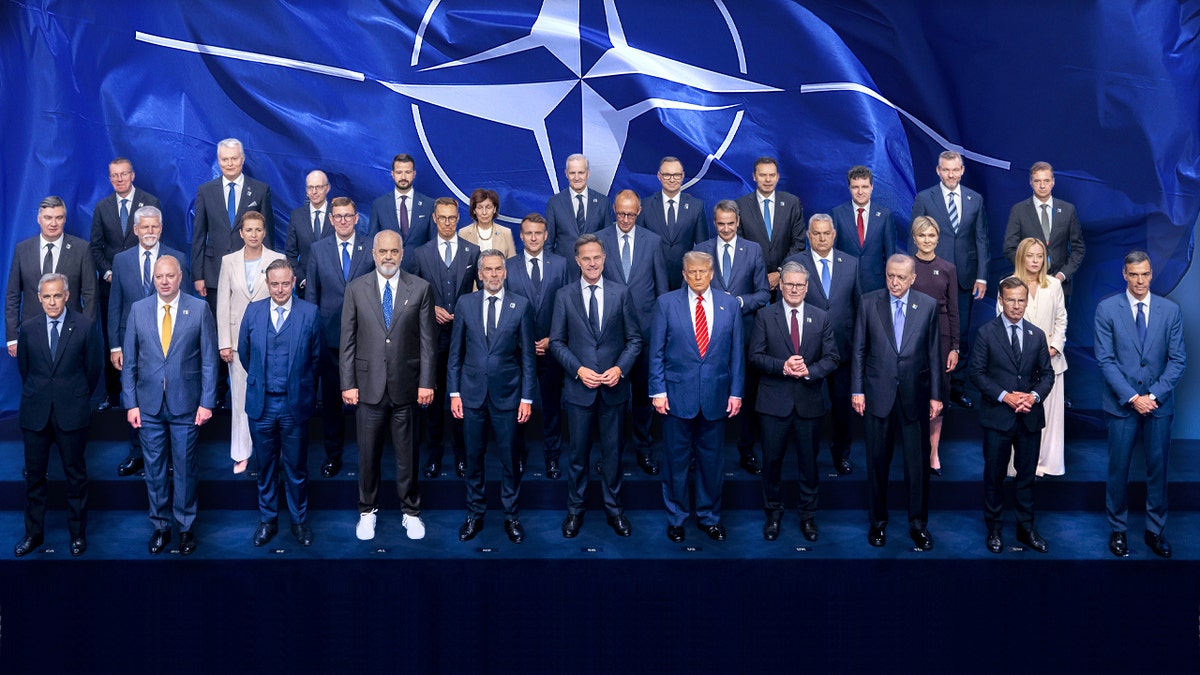
President Donald Trump is expected to use the summit to press allies to meet NATO's new benchmark of spending 5% of GDP on defense.(Handout / Latin America News Agency via Reuters Connect)
At the summit, President Trump is expected to unequivocally press allies to meet NATO's new benchmark of spending 5% of GDP on defense – a commitment many have conveniently ignored for far too long. He reinforced this on Truth Social, stating, "The United States spends more money on NATO than any other country, by far, to protect them, without getting any benefit from so doing."
Ambassador Whitaker confirmed that the administration views burden-sharing far beyond mere defense budgets. "We believe that those that are doing more should get benefits from doing more," he asserted, confirming that "countermeasures" are being considered for those allies who fall short. These could range from priority in defense procurement to increased engagement with U.S. leadership.
While the formal agenda may speak of Russia and Ukraine, the fallout from Operation Epic Fury is the elephant in the room, shaping every private conversation. As analysts like Ian Brzezinski noted, there are now "two scorecards on the table" – the old NATO priorities, and President Trump’s America First assessment of who truly stands with the United States.
This summit is a critical juncture for NATO. President Trump's unwavering stance sends a clear message: America will no longer be taken for granted. For an alliance to truly stand strong, it requires genuine commitment, shared sacrifice, and an end to the freeloading that has weakened its core. It’s time for allies to step up, pay their fair share, and stand shoulder-to-shoulder with the United States, or face a future where American strength is reserved for those who truly earn it.