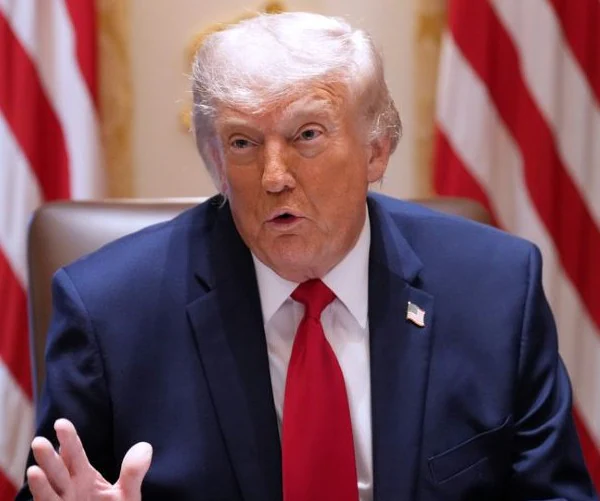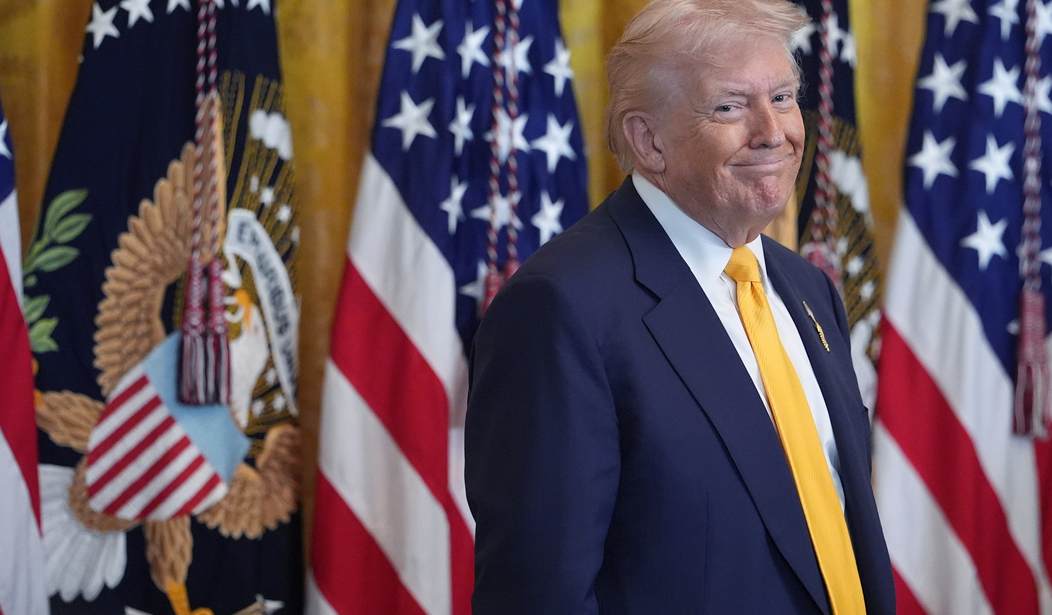
A key U.S. ally is openly backing President Donald Trump’s tougher stance against Iran — and offering help to secure one of the world’s most important oil chokepoints.
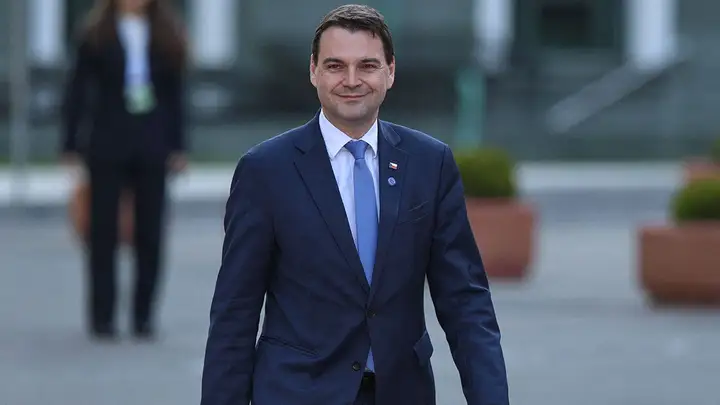
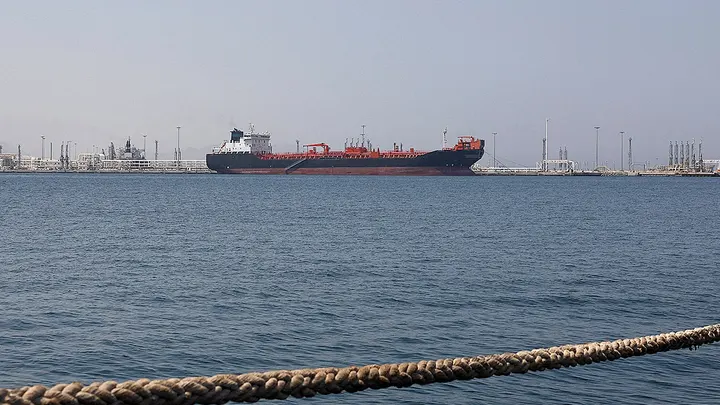
During an interview at the United Nations in New York, Czech Foreign Minister Petr Macinka said the Czech Republic is prepared to assist efforts to protect freedom of navigation through the Strait of Hormuz as tensions with Iran continue escalating.
“We are ready to contribute to freedom of passage and the Hormuz trade,” Macinka said, explaining that while the Czech Republic does not have a navy, it possesses “unique passive surveillance capabilities” that could help monitor and secure the strategically critical region.
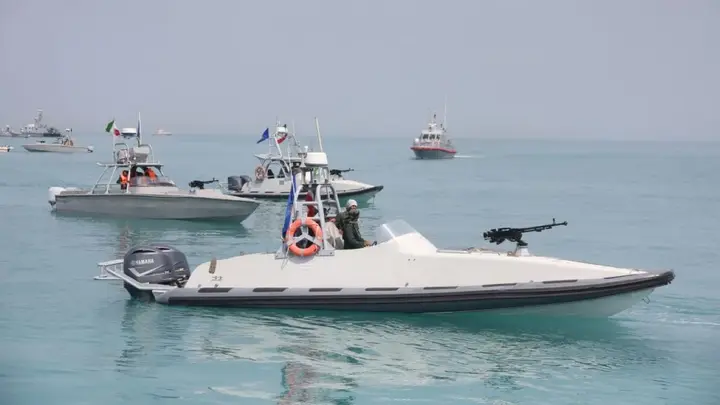
The Strait of Hormuz remains one of the most vital waterways on the planet, with roughly one-fifth of global oil consumption moving through the narrow corridor connecting the Persian Gulf to the Arabian Sea. Any disruption there can immediately send shockwaves through global energy markets — which is exactly why Iran keeps threatening it whenever pressure starts mounting.
Macinka described Iran as a growing global threat, warning specifically about what he called four major “war tools”: nuclear proliferation, ballistic missiles and drones, international terrorism, and threats against Hormuz shipping routes.
“Their nuclear military program must be stopped,” he said. “It’s a global risk and global threat.”
The remarks align closely with the Trump administration’s increasingly aggressive push for NATO allies and European partners to take a larger role in protecting international shipping lanes and countering Iranian influence in the Middle East.
Secretary of State Marco Rubio recently questioned the long-term value of U.S. military bases in allied nations that later restrict American military operations during conflicts. Trump himself has repeatedly criticized NATO members for failing to carry their share of defense responsibilities, especially during operations involving Iran and Red Sea security.
At one point earlier this year, Trump even said he was “strongly considering” withdrawing the United States from NATO after frustration with allied reluctance to fully support U.S. military actions. The president reportedly referred to the alliance as a “paper tiger” during an interview with Britain’s Daily Telegraph.
Unlike some Western European governments that have hesitated on defense issues, the Czech Republic has embraced calls for stronger military readiness and higher defense spending. As a NATO member since 1999, Prague has already reached NATO’s benchmark of spending 2% of GDP on defense.
Macinka also blasted the European Union’s climate-focused “Green Deal” policies, calling them economically destructive and accusing European leaders of prioritizing ideological environmental agendas over military preparedness.
“If we get rid of this green, crazy alarmism, then we have enough money to build our defense,” he said.
The Czech foreign minister went even further, openly praising Trump and the broader political movement surrounding the administration.
“We are friends of Israel, and we are friends of America,” Macinka stated. “Especially me as a politician, I'm a friend of the ideology of the current American administration.”
That kind of direct public alignment with Trump from a European official is still relatively rare — and it signals how populist, nationalist, and security-focused movements continue gaining ground internationally.
For conservatives, the developments reinforce a broader point Trump has hammered for years: allies must contribute more to global security instead of relying almost entirely on American taxpayers and military power while criticizing the United States from the sidelines.
And as tensions with Iran continue rising around critical shipping routes, countries like the Czech Republic appear increasingly willing to step forward and prove they’re ready to back those words with action.