As President Donald Trump’s deadline for Iran to reopen the Strait of Hormuz draws closer, a new debate is taking center stage — not just about military action, but about what international law actually says.
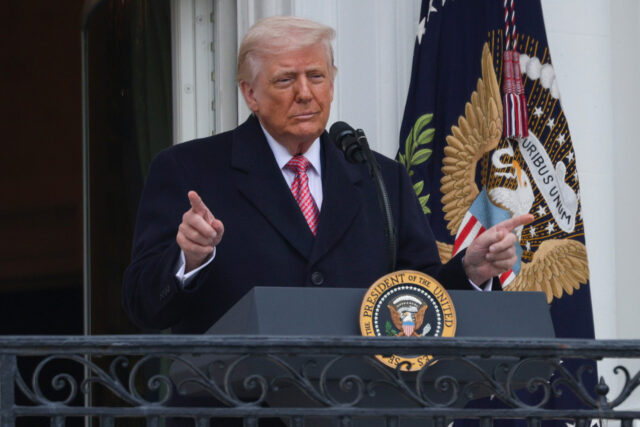
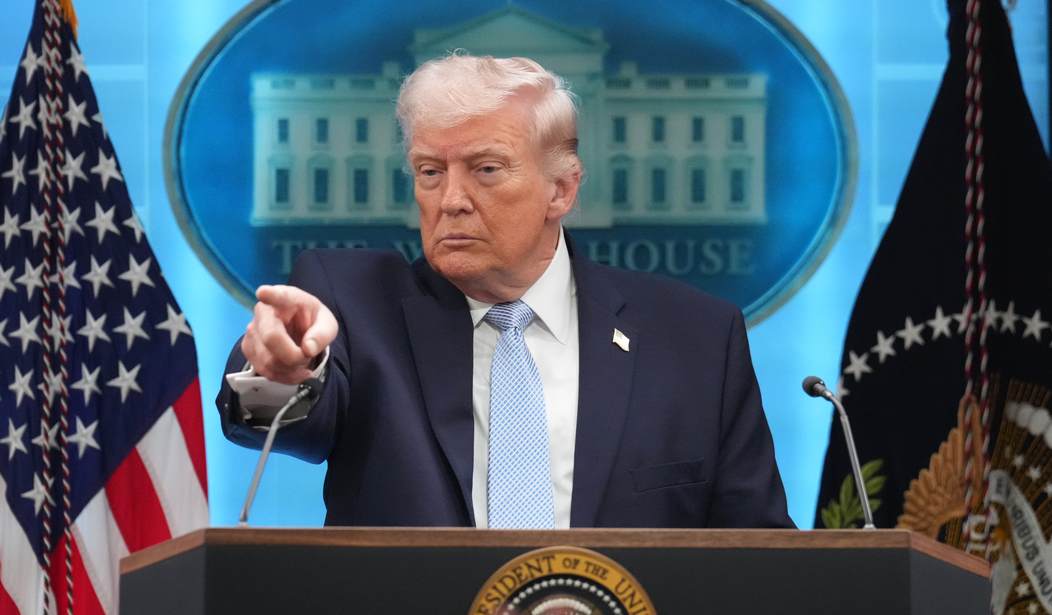
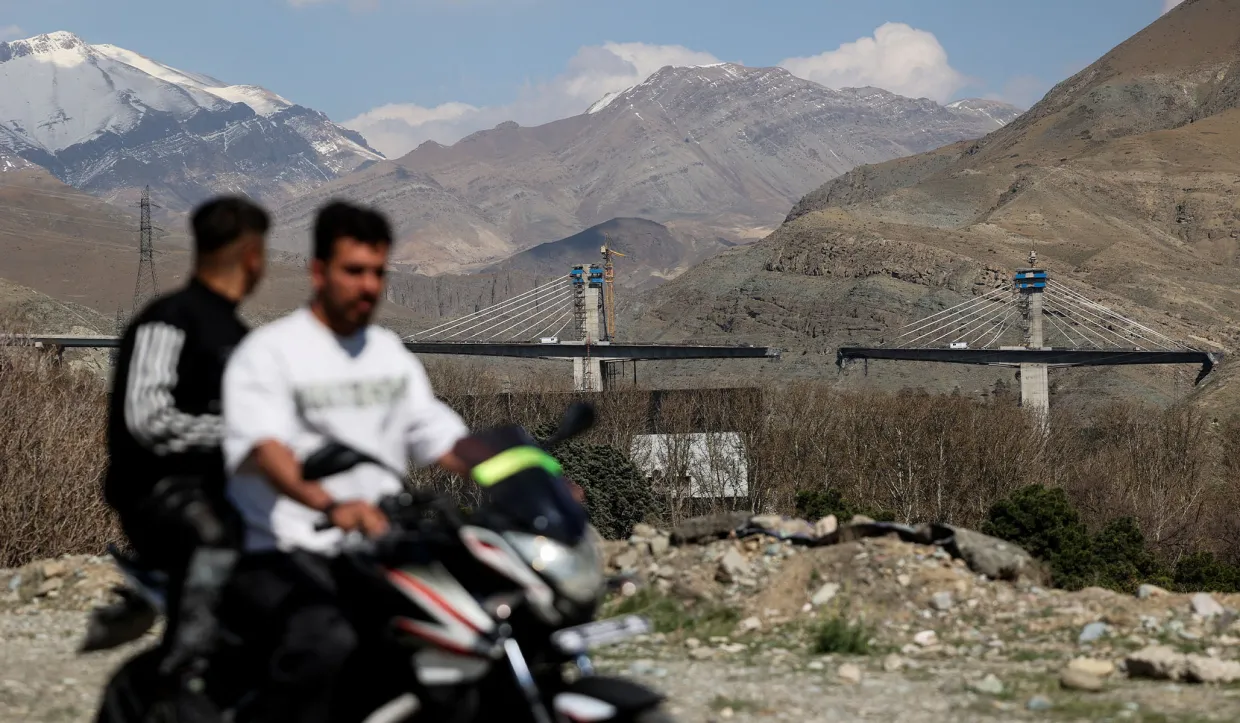
Trump has reaffirmed that failure to comply could result in strikes on key infrastructure, including bridges and power plants. Predictably, critics rushed to condemn the warning, with reports suggesting that United Nations Secretary-General António Guterres claimed such attacks are banned under international law.
But here’s where things get… a bit more complicated than the headlines suggest.
The assertion that all attacks on civilian infrastructure are outright prohibited under international law is being challenged. The reality, according to the argument presented, is that the legal framework governing armed conflict is far more nuanced. Not every piece of infrastructure automatically qualifies as protected in all circumstances — especially in situations where it may have strategic or military relevance.
In other words, the issue isn’t as black-and-white as some would like to portray it.
Trump’s warning, while strong in tone — and yes, very on-brand — comes in the context of escalating tensions over one of the world’s most critical trade routes. The Strait of Hormuz is a vital chokepoint for global energy supply, and its closure has already triggered economic and geopolitical consequences.
As the clock ticks down, reactions from international figures like Guterres highlight the growing concern over how far things could go. But they also reveal a familiar pattern: quick condemnation, simplified narratives, and a tendency to overlook the legal gray areas that often define modern conflict.
Meanwhile, Trump continues to lean into a strategy that prioritizes pressure and deterrence, making it clear that reopening the strait is non-negotiable. Whether critics agree with the rhetoric or not, the objective remains the same — forcing a resolution to a crisis that has ripple effects across the globe.
At the end of the day, this isn’t just about legal interpretations or political statements. It’s about leverage, strategy, and outcomes. And as events continue to unfold, one thing is certain: the conversation around international law — and how it’s applied — is far from settled.