The 2026 midterms are still weeks away, but Democrats are already drawing up the blueprint for what comes next if voters hand them control of Congress.
Their objective is clear: roll back major pieces of President Donald Trump’s second-term agenda, restrict presidential authority, investigate the administration, and reshape policies involving immigration, healthcare, the federal workforce, government ethics and the Justice Department.
That makes the midterms about far more than who holds the gavels on Capitol Hill.
For Trump, a Democratic takeover would mean spending the final two years of his presidency fighting Congress at nearly every turn. And the president has already made clear that he intends to fight back.
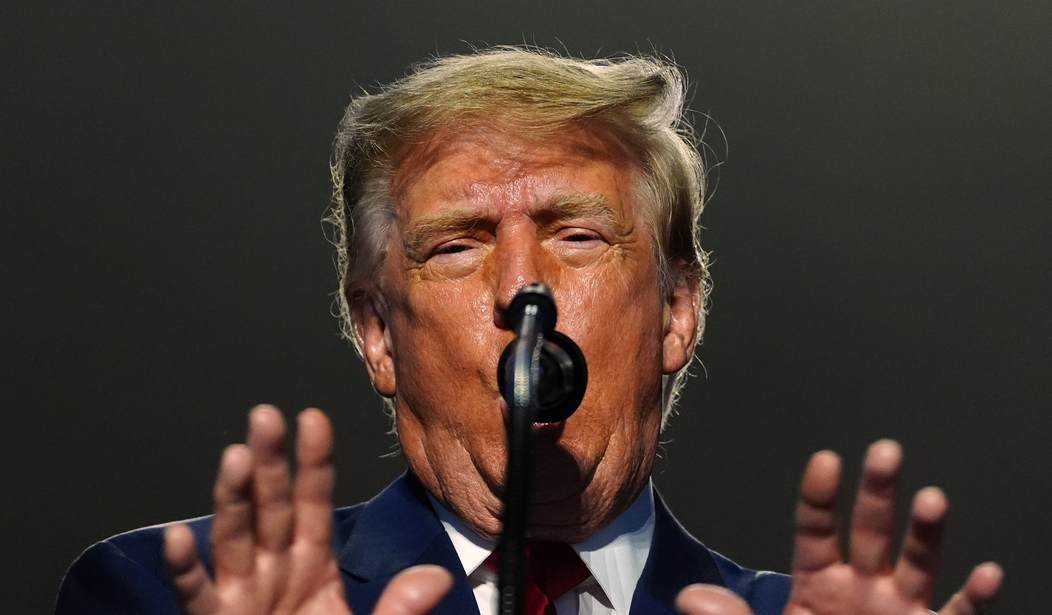
In a Sept. 10 interview with Fox News host Laura Ingraham, Trump said he would become a “blocker” if Democrats captured Congress, promising to “block all their bad stuff for two years” while leaving the door open to working with Democrats on issues where compromise is possible.
The warning is significant because even a Democratic sweep would not give the party unlimited power. Major legislation would still have to clear both chambers and reach the president's desk—and Trump could veto measures designed to dismantle his agenda.
Democrats know that.
They are planning anyway.
According to The Washington Post, lawmakers are developing proposals that could limit presidential emergency powers, impose new restrictions on the federal workforce, change how the Justice Department operates, tighten ethics rules and reverse portions of Trump's immigration and healthcare policies.
Healthcare is already one of the clearest examples. House Democrats have discussed reversing Medicaid cuts contained in Trump's major tax-and-spending legislation, restoring enhanced Affordable Care Act subsidies and potentially expanding Medicare coverage.
And the legislative agenda would only be one part of the operation.
Democrats are also preparing an aggressive oversight campaign targeting Trump, his administration and members of his family if they regain House control. That could mean investigations, subpoenas and hearings across multiple committees.
Rep. Jamie Raskin, D-Md., has described the task in sweeping terms.
“We need to zero in quickly on the forms of systemic corruption that have cost the public huge amounts of money,” Raskin told The Associated Press, referring to what he sees as potential areas for legislative action.
The Washington Post has separately quoted Raskin describing the work ahead as a “massive reconstruction task” and arguing that Trump's use of presidential power “can and must be reversed.” Those are Raskin's characterizations of the administration's actions—not established findings that Trump has unlawfully exercised his authority.
That distinction matters.
Democrats say they would be restoring limits on executive power and rebuilding institutional safeguards. Republicans are likely to see the same project as an attempt to unwind the policies voters elected Trump to implement.
And there is the central contradiction Democrats will have to navigate: winning Congress would give them substantial power to investigate and legislate, but not a magic wand.
Trump would still be president.
His veto pen would still be in his hand.
So the potential clash is already taking shape: Democrats preparing to reverse Trump's governing legacy while Trump openly preparing to stop what he regards as an attempt to undo it.
Meanwhile, the stakes of November are becoming clearer by the day. The election will determine not simply which party controls Congress, but how much of Trump's second-term agenda survives the final two years of his presidency.
For voters, that makes the choice unusually consequential. A Democratic majority would have one vision for what comes next. Trump has already told Americans what his response would be.
The battle over Trump's America First agenda, in other words, may not end on Election Day. It could become the defining congressional fight of the final half of his presidency.