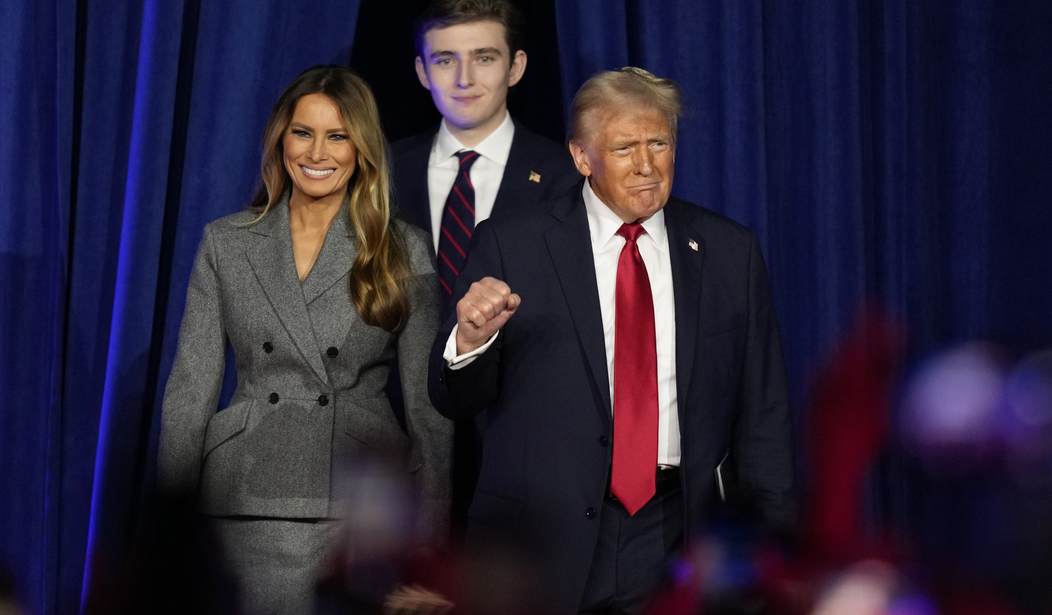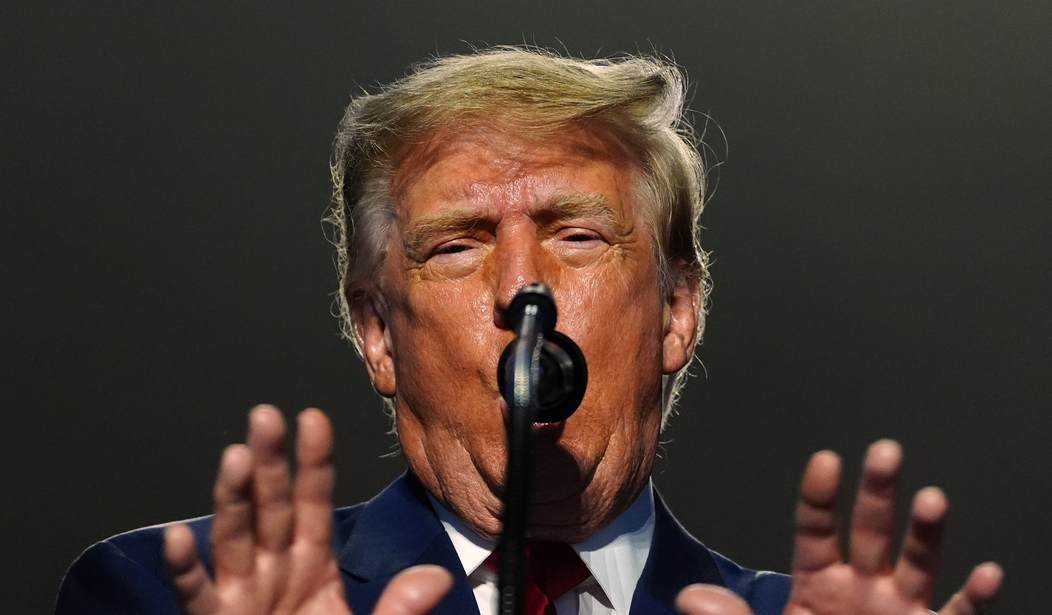
President Donald Trump is making one thing clear to Republicans heading into the midterm elections: winning the White House is not enough if the GOP cannot keep Congress on its side.
On Monday evening, Trump traveled to Grand Island, Nebraska, to rally voters behind Republican Sen. Pete Ricketts, who faces a surprisingly competitive reelection fight against independent candidate Dan Osborn. With control of the House and Senate at stake, the president is taking his America First message directly to voters, urging Republicans not to squander the political momentum they have worked to build.
His message to the crowd at the Pinnacle Bank Expo Center was simple, direct, and unmistakably Trump.
“Pretend I’m on the ballot,” the president urged rallygoers, warning that Republicans have historically struggled to generate the same enthusiasm when he is not personally running for office.
It was more than a campaign slogan. It was a reminder that the midterms could determine whether Trump's agenda moves forward or gets buried beneath congressional obstruction.
Republicans may hold the presidency, but without a strong congressional majority, even the most ambitious promises on the economy, immigration, national security, and government reform could run into a wall of political resistance.
Trump knows the stakes — and he made sure the crowd understood them.
“They’ve tried to smear us, to slander us, to persecute us, and demoralize us,” Trump declared. “They’ve attacked me, impeached me, arrested me. They even tried to kill me, I guess. But with you at side, we have won every battle. We've run every single battle – they can't believe it.”
The president's remarks reflected the combative political journey that has defined his movement, from legal battles and impeachment proceedings to two assassination attempts. For his supporters, the rally was another opportunity to demonstrate that the political establishment has failed to break Trump's grip on the Republican Party.
But the fight ahead is about more than loyalty to one man.
The economy could be the decisive battleground.
Trump pointed to the soaring stock market, strong employment figures, and his administration's tariff policies as evidence that Republicans are working to address the economic pressures facing American households.
Affordability remains a critical issue for voters, and Republicans need to convince the public that their economic agenda can deliver tangible results. Market gains and employment figures offer useful talking points, but the ultimate test will be whether working families feel the difference in their everyday lives.
For Trump, the argument is straightforward: economic strength, American industry, and a tougher approach to international trade are central to putting American interests first.
The president also turned his attention to Ricketts' opponent, Osborn, who campaigns as an independent.
Ricketts has sought to undermine that label by calling his opponent “Democrat Dan,” arguing that Osborn's political backing and policy positions align more closely with Democrats than with a genuinely independent movement.
That distinction matters in a state where Republican voters will have to decide whether to stick with an established GOP senator or take a chance on a candidate running outside the two major parties.
An independent label may appeal to voters frustrated with Washington, but the real question is what a candidate would do once elected — and which political interests would help shape those decisions.
For Ricketts, Trump's visit provides a valuable opportunity to energize the Republican base, attract attention to the race, and connect the Nebraska contest to the national fight over congressional control.
And that is precisely why Trump is spending time on the campaign trail instead of treating the midterms as somebody else's problem.
Republicans have seen what happens when voters become complacent. A presidential victory can quickly lose its force if supporters stay home during the next election cycle, allowing the opposition to regain control of Congress and stall the administration's priorities.
Trump's message in Nebraska was therefore both a warning and a challenge: Republicans cannot expect the America First agenda to defend itself.
The president may not appear on the ballot this November, but his policies, his political movement, and the future direction of his administration will be very much at stake.
For Republicans hoping to preserve their congressional majorities, the assignment is clear. Turn out, defend the seats that matter, and give voters a reason to believe the promises made on the campaign trail can become lasting results.
Because in Washington, winning the presidency opens the door. Keeping Congress is what helps determine whether the agenda gets through it.