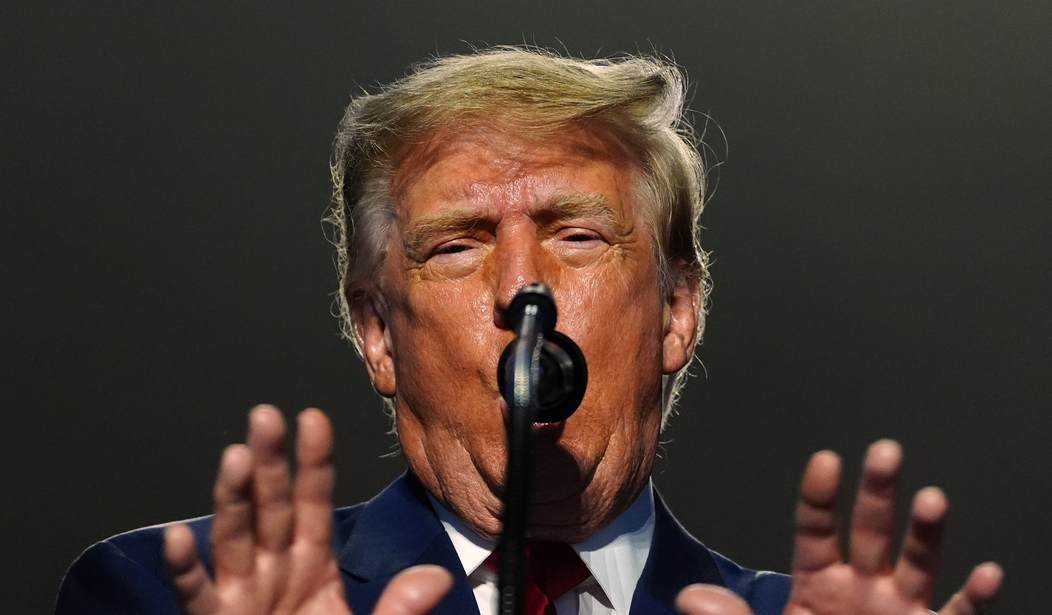
The revelations surrounding former Special Counsel Jack Smith’s Trump investigation keep getting darker — and the latest development raises questions far beyond Donald Trump himself.
What began as scrutiny of the Biden-era Justice Department’s efforts to investigate Trump has now expanded to allegations that investigators were monitoring communications involving people in the president’s inner circle, including White House Chief of Staff Susie Wiles. Now, reporting is raising an even more troubling question: How far did that surveillance reach into Trump’s family?
The answer matters.
Over the weekend, Smith offered a remarkable reminder of just how politically charged the Trump era became when he appeared at an anti-Trump music festival headlined by Bruce Springsteen while wearing a “No Kings” T-shirt.
For a former special counsel who once wielded enormous federal investigative power against a major presidential candidate, the optics were hard to miss.
But the more consequential issue is not what Smith wears to a concert.
It is what investigators working under his authority were doing with sensitive information involving Trump and the people around him.
Earlier Monday, reporting revealed that the Biden-era FBI tracked phone communications connected to Susie Wiles, who would later become Trump's White House chief of staff.
That revelation alone is extraordinary. Wiles was not some distant political figure. She was one of Trump's closest advisers and ultimately became one of the most powerful people in his administration.
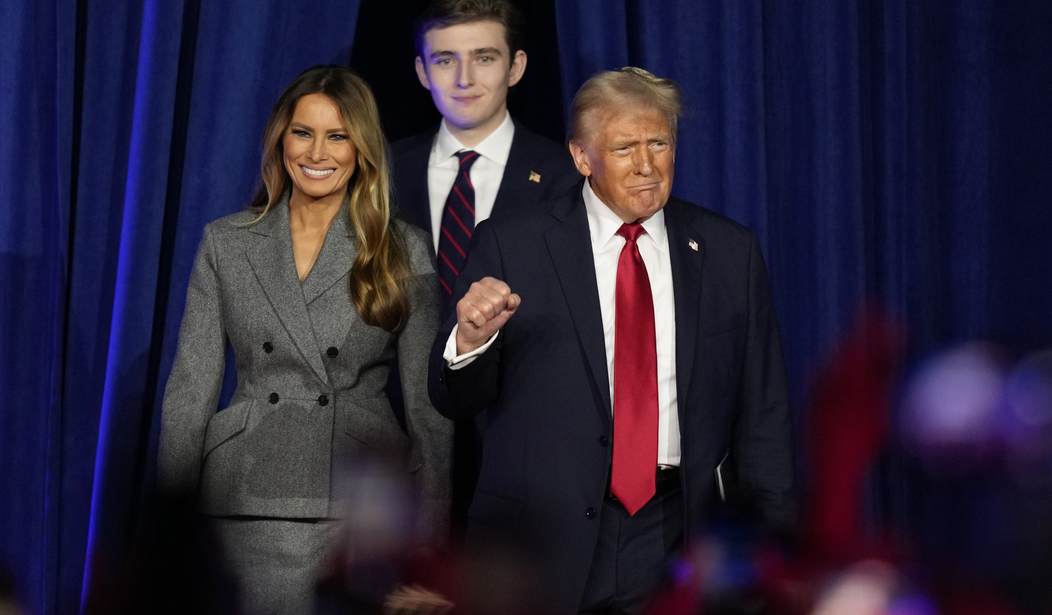
Now, the question of whether the investigative dragnet extended to Melania Trump and Barron Trump adds an even more disturbing dimension to the story.
If federal investigators were collecting or monitoring communications involving the president's wife or son, the issue goes far beyond ordinary political opposition research. It raises fundamental questions about privacy, government power and whether the machinery of federal law enforcement was being used with appropriate restraint.
The distinction matters because the federal government possesses extraordinary surveillance capabilities. Those powers are supposed to serve legitimate investigative purposes — not become weapons in a political war.
And the timeline makes the controversy even more significant.
The Biden administration's Justice Department pursued Trump while he was simultaneously running for president and preparing for a possible return to the White House. Whatever the legal justifications offered at the time, Americans have every right to demand transparency about how investigative authorities were used around a presidential candidate and his closest associates.
Trump's critics spent years warning that he represented a threat to American institutions.
But there is another question worth asking:
What happens when the institutions themselves begin targeting political opponents?
That is the danger conservatives have warned about for years.
The federal government should not be a political machine. The FBI should not become an instrument for one party against another. And Americans certainly should not have to wonder whether political investigations can reach into the private lives of a candidate's wife and children.
If the latest revelations are confirmed, Congress has a responsibility to find out exactly what happened, who authorized it, what information was collected, and how that information was used.
Because this is no longer merely about Jack Smith.
It is about whether Americans can trust the federal government to exercise its enormous powers fairly — regardless of whether the person being investigated is a Republican, a Democrat, or Donald Trump.
And if the answer is no, then accountability cannot stop at the people who carried out the surveillance. It must reach everyone who authorized it, enabled it, or looked the other way.