Political victories are often explained after the fact.
The slogans go on posters. The messaging goes into campaign ads. But sometimes party leaders quietly admit what actually moved voters.
That appears to be happening in New York.
After socialist-aligned candidates scored major wins in last week’s Democratic primaries, supporters publicly emphasized affordability and cost-of-living frustrations as the driving force behind the results.
But according to comments attributed to New York State Democratic Party Chairman Jay Jacobs, another issue played a major role: Israel.
Jacobs acknowledged that voter sentiment surrounding Israel helped energize the coalition behind candidates aligned with New York City Mayor Zohran Mamdani, contributing to three House primary victories.
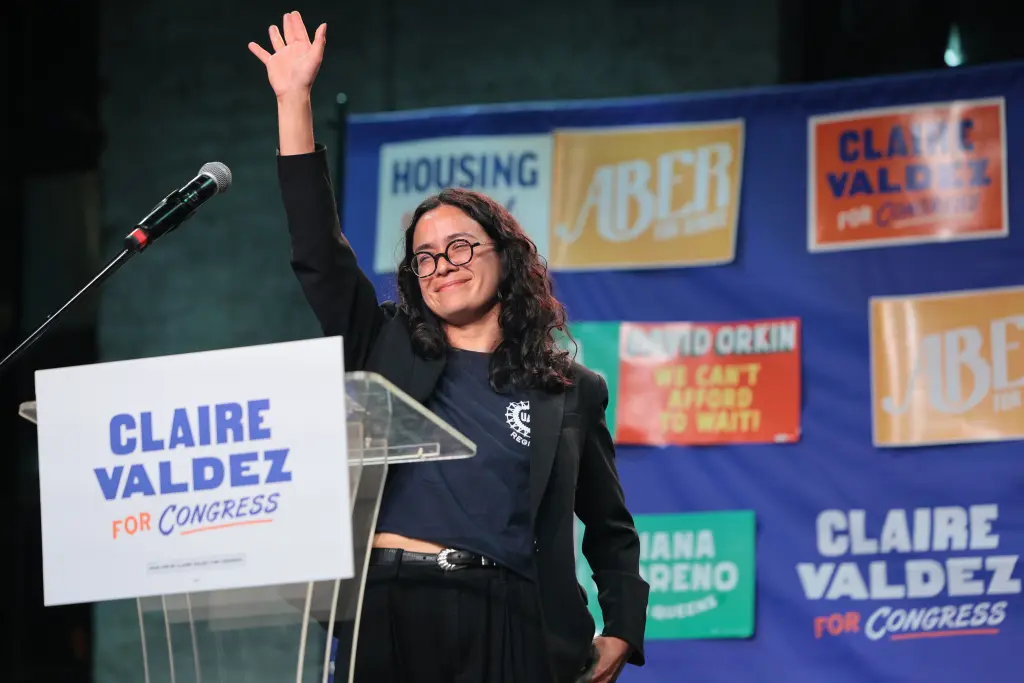
Among the most notable outcomes were victories involving Darializa Avila Chevalier and former New York City Comptroller Brad Lander, who defeated incumbent Representatives Adriano Espaillat and Dan Goldman.
That admission complicates the cleaner political story many Democrats appeared eager to tell.
Affordability remains a powerful issue everywhere. Americans care about housing costs, inflation, and whether families can build stable lives. But critics of the party’s direction argue those issues alone do not explain what happened in these races.
Instead, they point to a broader ideological shift inside Democratic politics — one increasingly shaped by activist energy, international political identity, and coalition politics that extend far beyond traditional economic messaging.
That distinction matters because affordability arguments tend to broaden a movement.
Foreign-policy identity politics and ideological sorting tend to narrow one.
The result is a Democratic Party facing a familiar question: is it trying to build a governing majority or reward the loudest factions inside its activist base?
For years, establishment Democrats insisted concerns about the party drifting left were exaggerated. Yet when party leaders themselves start identifying geopolitical passion as a major organizing force behind primary victories, the conversation changes.
Republicans will likely see this as more evidence that Democrats are moving further away from kitchen-table priorities and closer to issue coalitions that resonate intensely inside activist circles but less broadly outside them.
Elections reveal priorities.
And when affordability is the headline but ideological energy becomes the engine, voters tend to notice the difference.