The Supreme Court’s decision not to hear Alan Dershowitz’s defamation case against CNN closed the door on one lawsuit — but reopened a much larger argument over whether America’s media giants operate under legal protections that ordinary citizens could only dream of.
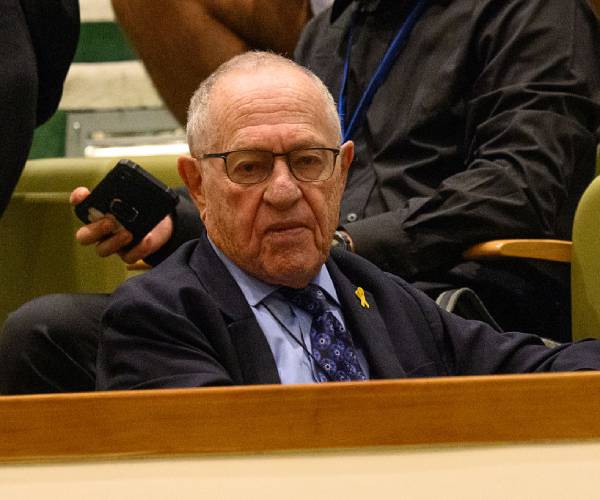
Speaking Monday to Newsmax after the Court declined his petition for a writ of certiorari, Harvard Law School professor emeritus Alan Dershowitz called the outcome “a loss for individual rights,” arguing that modern defamation law has tilted too far in favor of major news organizations and too far away from accountability.
At the center of the dispute is the constitutional “actual malice” standard established decades ago in New York Times Co. v. Sullivan — a legal doctrine requiring public figures to prove that false statements were made knowingly or with reckless disregard for the truth.
Dershowitz argued that in practice, the standard has become so difficult to satisfy that public figures are left with little meaningful recourse even when they believe false claims damaged their reputations.
The Supreme Court declined to take up the case, leaving lower court rulings against Dershowitz in place.
But the decision was not unanimous in spirit.
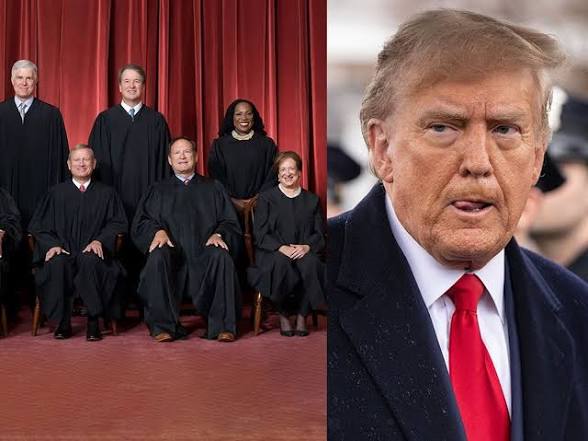
Justices Clarence Thomas and Neil Gorsuch dissented from the Court’s refusal to hear the case. Thomas, who has repeatedly questioned modern defamation doctrine, argued once again that the Court should reconsider the constitutional framework created in New York Times Co. v. Sullivan.
That matters because the debate reaches far beyond one professor, one network, or one lawsuit.
For decades, defenders of the current standard have argued it protects vigorous reporting and prevents powerful people from using lawsuits to silence journalists. Critics counter that the legal shield has expanded so far that major media institutions face too little consequence when they get stories wrong — especially in an era where narratives can spread nationwide in hours and corrections rarely travel as far as the original headline.
Dershowitz’s argument lands in a media environment where public trust has already fractured and where accusations of selective coverage, ideological filtering, and institutional protection continue to grow.
The Court chose not to revisit that balance this time.
But when sitting justices openly question whether one of America’s foundational press precedents still fits modern reality, the conversation is not ending. It is moving into the next chapter — one increasingly centered on a simple question: whether freedom of the press and accountability to the truth still operate in proper balance.