For years, Americans were told that questioning waste, abuse, and fraud in government programs was exaggerated, political theater, or a distraction.
Then investigators started adding up the numbers.
This week, the Trump administration announced what officials described as the largest combined federal and state healthcare fraud enforcement operation in American history — a sweeping crackdown that resulted in charges against hundreds of individuals and exposed billions in suspected losses.
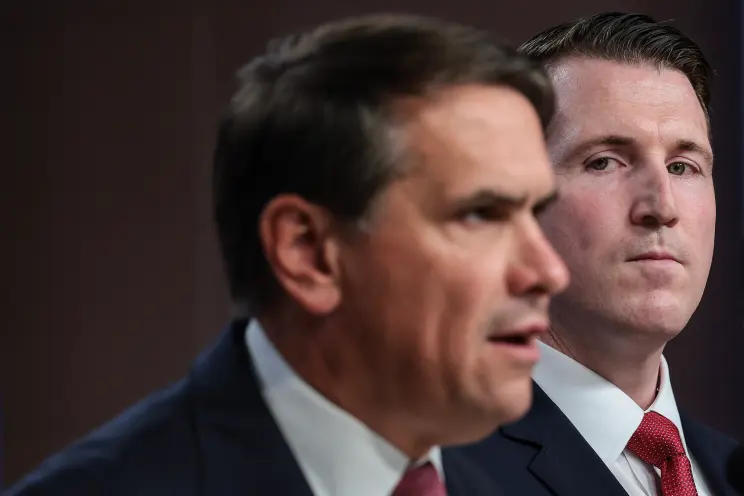
Acting Attorney General Todd Blanche announced Tuesday that authorities had charged 455 defendants across nearly every state and U.S. territory in connection with schemes tied to healthcare fraud.
According to federal officials, the cases collectively involved roughly $6.5 billion in fraudulent activity.
Blanche called the operation “the greatest combined federal and state effort combating health-care fraud in history.”
That statement carries weight because healthcare fraud rarely looks dramatic in real time.
There are no headlines about masked robberies or dramatic getaways.
Instead, the damage shows up in higher costs, exhausted public programs, distorted markets, and taxpayers quietly paying for money that never reached patients.
Federal officials say the scale of the operation reflects how sophisticated these schemes have become and how long some networks can operate before scrutiny catches up.
The political argument surrounding fraud enforcement has become increasingly visible as well.
Supporters of the administration’s approach argue that aggressive oversight is not anti-government — it is the only way government can remain credible. They contend that every dollar stolen through fraud is money unavailable for seniors, families, veterans, and legitimate care.
Critics of enforcement-focused approaches often warn about access, bureaucracy, or administrative burden.
But few Americans hear “$6.5 billion” and think the problem is too much scrutiny.
That is where the larger debate lives.
The question is not whether public programs should exist.
The question is whether taxpayers should accept systems where enforcement becomes secondary to protecting political narratives.
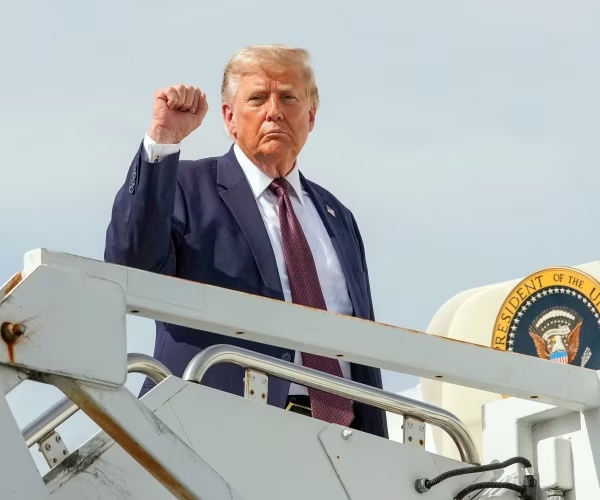
The Trump administration has increasingly framed fraud enforcement as part of the same broader agenda behind border security, government reform, and institutional accountability: rules matter, enforcement matters, and public trust collapses when violations become routine.
Americans work too hard and pay too much to treat billions in fraud as the cost of doing business.
If this operation proves anything, it is that accountability is still possible — but only when someone decides to go look for it.