The danger is not just what happens in the Strait of Hormuz.
The danger is what happens after everyone else decides they can do it too.
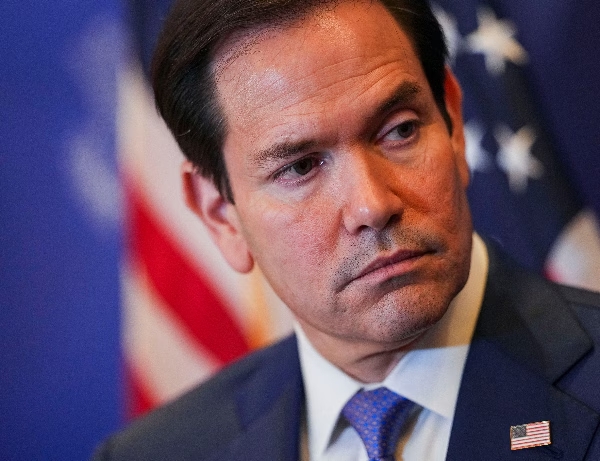
Secretary of State Marco Rubio issued a warning this week over reports that Iran is exploring a system of shipping fees tied to vessel access and maritime services in the Strait of Hormuz — a move he suggested could reshape global trade in ways far beyond the Middle East.
According to reporting cited by The Wall Street Journal, the concept could generate as much as $40 billion annually for Iran.
Rubio’s concern was not limited to the revenue.
He warned that turning one of the world’s most strategically important maritime corridors into a structured toll system could establish a precedent that spreads worldwide.
“If adopted,” Rubio warned, the model could spread to other global chokepoints “like a contagion,” according to The Western Journal.
That phrase captures a concern long familiar to foreign policy hawks: once one government successfully converts geography into leverage, others start taking notes.
The Strait of Hormuz is not an ordinary shipping lane. It is one of the world’s most important energy corridors, connecting global markets to Gulf exports and carrying enormous volumes of international commerce. Stability there affects fuel prices, supply chains, inflation pressure, and economic confidence far beyond the region.
Rubio’s warning points to a larger strategic question.
If access to international waterways increasingly becomes conditional on political arrangements, fees, or regional power negotiations, the result may not simply be higher shipping costs. It could alter expectations about freedom of navigation itself.
That concern arrives as Washington continues balancing diplomacy with deterrence in the region following recent U.S.-Iran engagement efforts.
The proposal remains emerging and broader implementation questions remain unresolved. But Rubio’s argument was clear: systems created in moments of strategic uncertainty rarely stay confined to one location.
For decades, the United States helped defend the principle that major trade routes should remain open, predictable, and resistant to coercion. The alternative is a world where access becomes transactional, leverage becomes currency, and every narrow stretch of water becomes an opportunity for someone to send an invoice.
And once that precedent spreads, reversing it becomes far harder than stopping it in the first place.