The Trump administration is escalating its fight with sanctuary cities, and Homeland Security Secretary Markwayne Mullin is making it clear that cooperation with federal immigration enforcement may soon come with serious consequences.
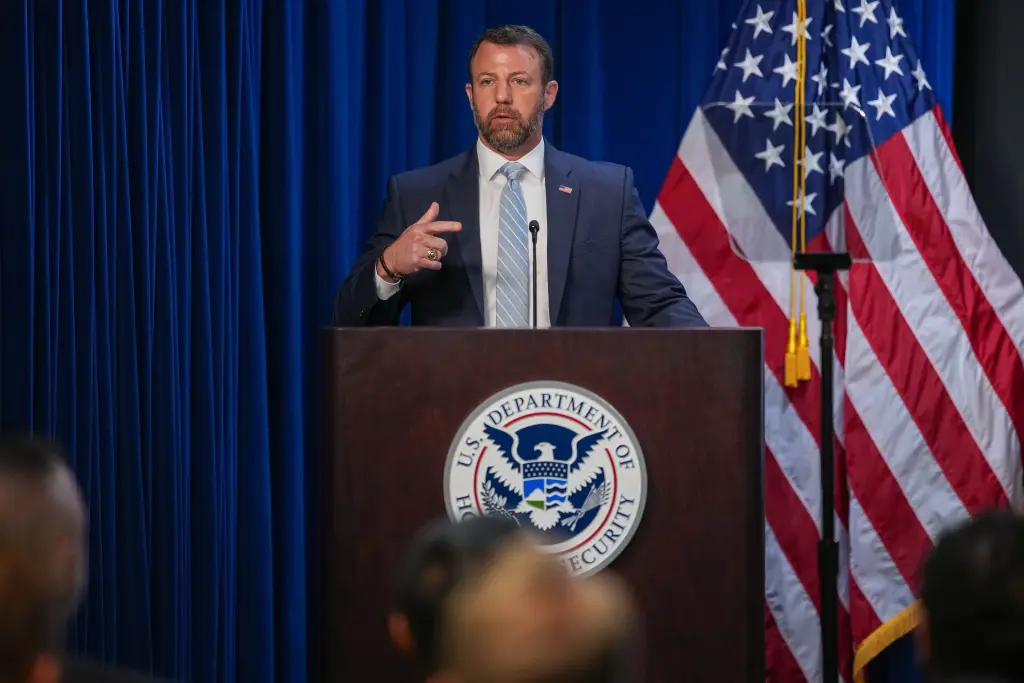
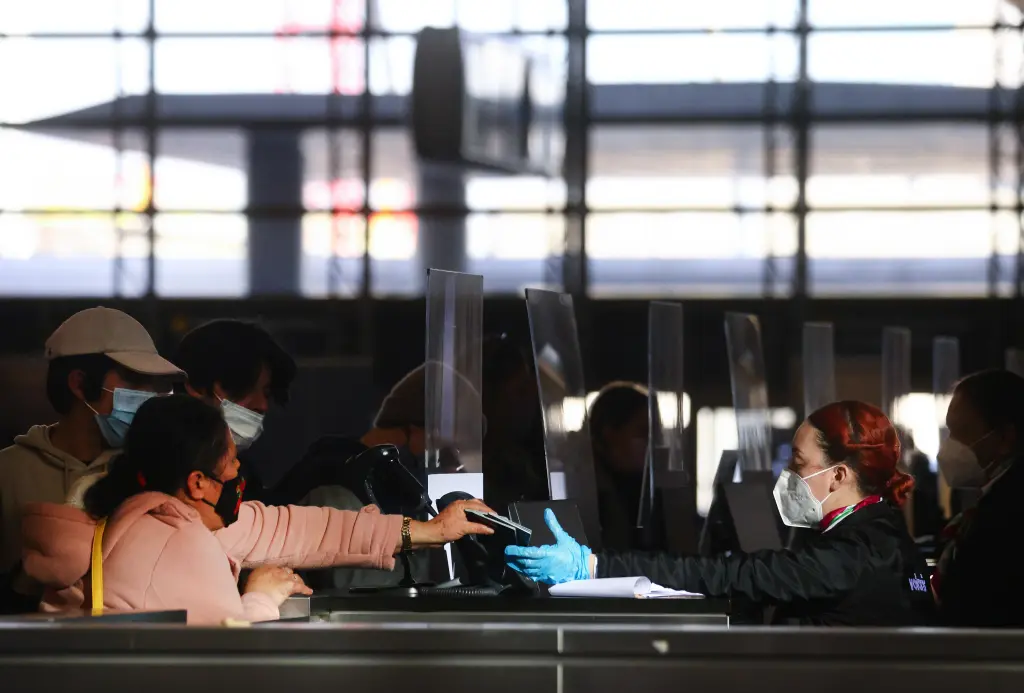
Speaking Tuesday on Fox News with Sean Hannity, Mullin doubled down on a controversial proposal that could halt immigration and customs processing for international flights arriving at airports located in sanctuary jurisdictions like New York City, Los Angeles, Chicago, Seattle, Denver, Philadelphia, and San Francisco.
The administration’s argument is simple: if local officials refuse to cooperate with federal immigration enforcement and actively obstruct ICE operations, why should the federal government continue dedicating resources to process international arrivals there? After all, many of those arriving from other countries will be illegals protected by those states, sooner rather than later.
“If they’re barricading our employees from coming in and out of the facility, then why are we processing international flights into the airport there?” Mullin asked during the interview.
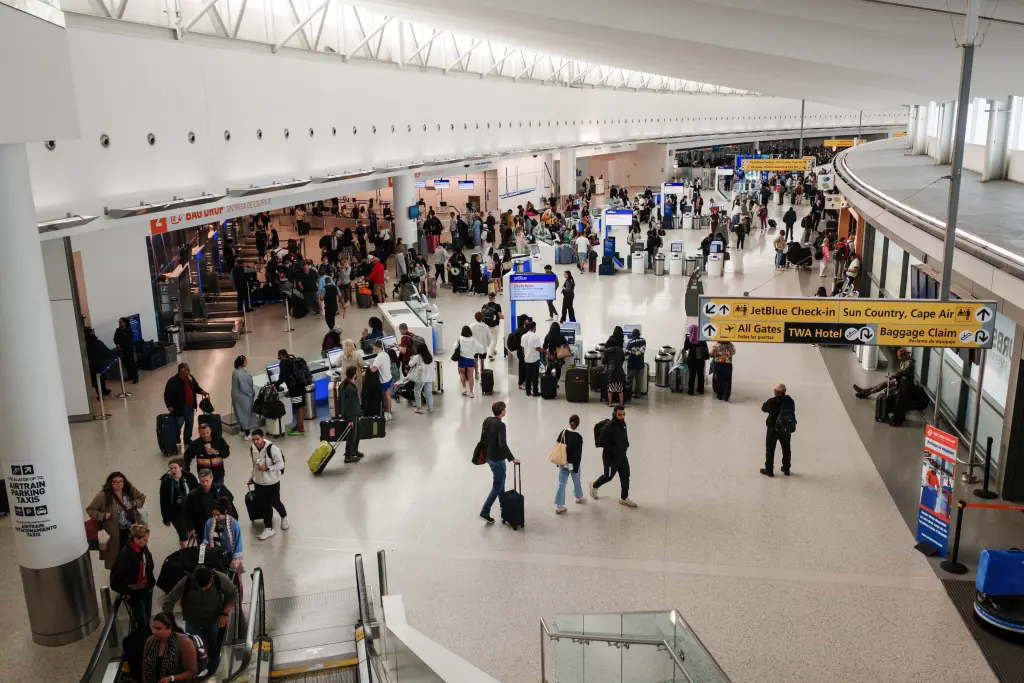
The proposal would impact some of the busiest travel hubs in the country, including JFK, LaGuardia, and Newark Liberty International Airport, where roughly 50 million international passengers reportedly passed through in 2025 alone.
The standoff comes amid ongoing clashes outside the Delaney Hall detention center in Newark, where anti-ICE activists have spent days protesting and physically blocking access to the facility. Demonstrators claim migrants inside are facing poor treatment and substandard conditions, accusations both Mullin and border czar Tom Homan strongly deny.
In a statement posted Tuesday on X, DHS pushed back forcefully against the allegations.
“FACT CHECK: there is NO HUNGER STRIKE at Delaney Hall. There are no subprime conditions,” the department wrote.
According to DHS, detainees are being provided meals, clean water, bedding, hygiene supplies, showers, and access to family members and legal counsel.
The proposal has already sparked backlash from airline industry groups and even from Transportation Secretary Sean Duffy, who publicly expressed concern about tying national air travel operations to political disputes over immigration policy.
“We shouldn’t shut down air travel in a state that doesn’t agree with our politics,” Duffy said during a House Budget Committee hearing last week.
Industry organizations including Airlines for America and the U.S. Travel Association have also criticized the idea, warning it could create major disruptions to international travel and commerce.
Still, for supporters of the administration, the proposal reflects growing frustration with sanctuary city policies that they argue undermine federal law enforcement while expecting federal agencies to continue providing full operational support. Conservatives have increasingly argued that cities blocking ICE cooperation should no longer receive the benefits of seamless federal coordination while simultaneously obstructing deportation efforts.
The issue has become one of the defining flashpoints of Trump’s second term, as the administration pushes harder against jurisdictions accused of shielding criminal illegal aliens from deportation.
And while critics call the airport proposal extreme, supporters argue it sends a message sanctuary city leaders have ignored for years: if local governments interfere with federal immigration enforcement, there may finally be consequences beyond angry press conferences and cable news debates.