Programs meant to help struggling Americans depend on one thing above all else: public trust.
If taxpayers believe fraud is tolerated, confidence disappears. If legitimate recipients believe abuse goes unchecked, support weakens. And if government agencies cannot verify who qualifies and who does not, the people who lose first are often the families the programs were created to help.
That is the backdrop behind a growing fight over food assistance oversight.
The Department of Justice is pursuing legal action against four Democrat-led states over disputes involving access to SNAP-related data needed for federal efforts aimed at identifying fraud and improving enforcement, according to the characterization presented by supporters of the action.
The conflict centers on whether states are cooperating with requests tied to reviewing eligibility and identifying improper use within the Supplemental Nutrition Assistance Program — a program designed to provide food assistance to Americans in need.
Critics of the states involved argue the resistance has gone beyond administrative disagreement and become a political posture that slows enforcement while expecting taxpayers to keep funding the system without asking questions.
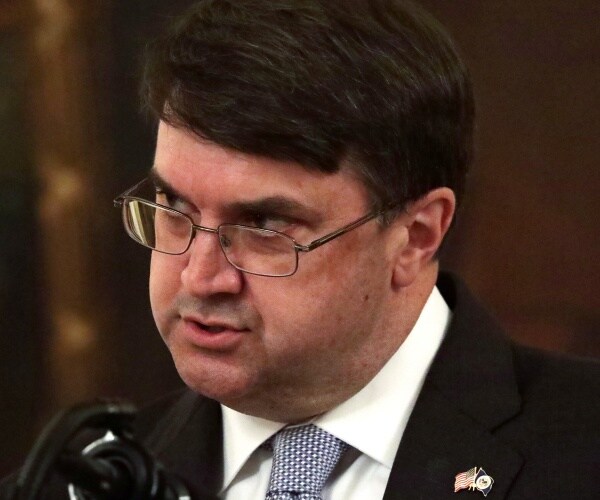
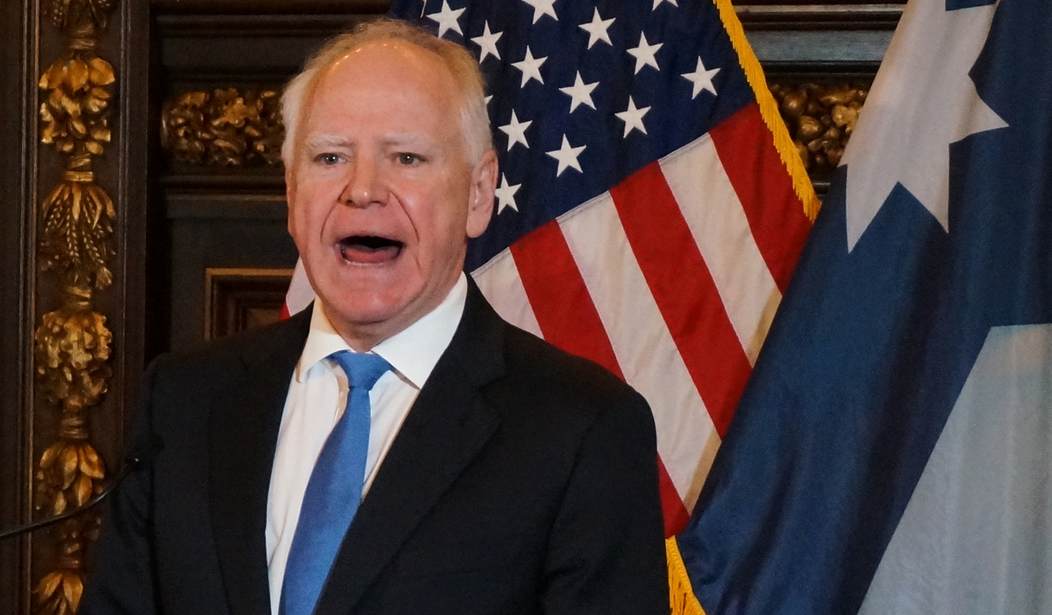
Among the governors drawing criticism are Minnesota’s Tim Walz and Pennsylvania’s Josh Shapiro, with opponents accusing state leadership of dragging its feet rather than helping federal authorities strengthen accountability.
The argument from enforcement advocates is straightforward: if public benefits are intended for vulnerable Americans, ensuring the right people receive them should not be controversial.
No serious person wants eligible families denied food assistance.
But many voters also reject the idea that oversight itself is somehow unfair. Programs built on public money depend on verification, transparency, and confidence that abuse is being addressed rather than ignored.
That tension has become increasingly visible in national politics.
For years, Republicans have argued that welfare integrity and compassion are not competing values. The case they make is that protecting benefits from misuse preserves resources for citizens who genuinely depend on them — and strengthens public support for keeping those programs in place.
Opponents of expanded federal involvement often raise concerns about state authority, privacy, or administrative burden. But supporters of the DOJ effort argue those concerns cannot become a permanent excuse to delay basic accountability measures.
Because at some point, the question becomes simple.
If leaders say they want these programs to succeed, why resist efforts to confirm the money is reaching the people it was intended to help?
That should not be a partisan question. It should be a basic requirement of public trust.