As more details emerge about the joint U.S.–Israeli military operation against Iran, several early conclusions are already becoming clear.
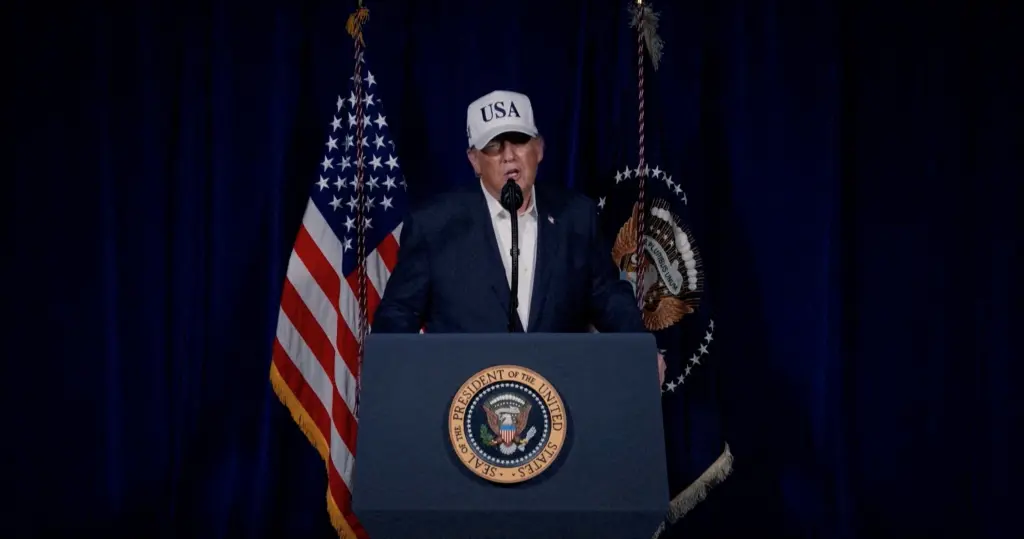
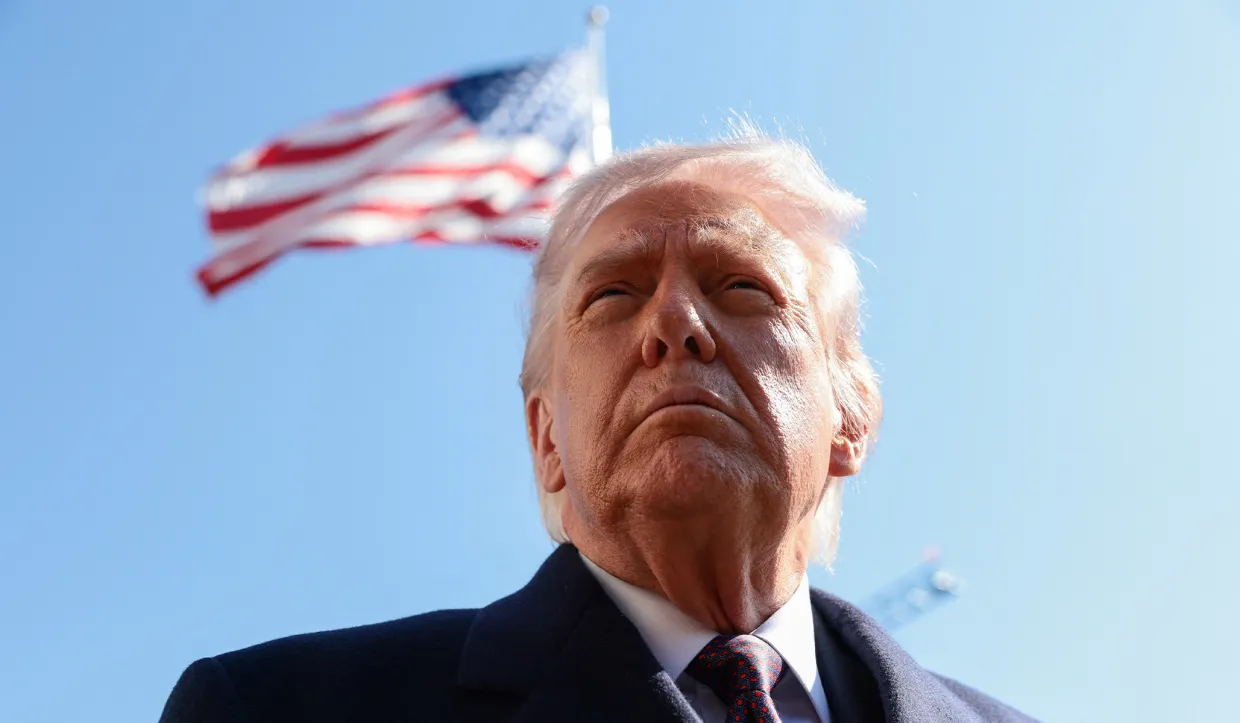
First, Donald Trump was not bluffing. Throughout his political career, Trump has consistently argued that Iran must never be allowed to obtain nuclear weapons. In recent months, he also warned Tehran against executing political protesters. While he expressed willingness to negotiate, he made clear that if Iran was not serious, he would authorize overwhelming military force.
Diplomacy was given a chance. However, Trump was unwilling to revive what he views as the failed nuclear agreement negotiated under the Obama administration. Instead, he sought concrete proof that Iran would abandon its pursuit of nuclear weapons. When that proof did not materialize, he acted. Many U.S. presidents have declared that “all options are on the table” with Iran. Trump demonstrated that he meant it.
Second, the level of coordination between the United States and Israel is unprecedented. Although the two nations have long shared intelligence, weapons, and military technology, they have never before conducted a fully integrated war effort.
During the Persian Gulf War, the George H.W. Bush administration worked diplomatically to keep Israel out of the conflict, even as Iraq fired Scud missiles at Israeli cities. For decades, Washington debated whether it would even permit Israel to launch strikes on Iran. Now, U.S. aircraft are reportedly operating from Israeli territory, with F-22 fighters and refueling tankers positioned there in advance.
This reflects months of detailed planning, intelligence sharing, and target coordination. Early indications suggest Israel focused on regime and command targets, while U.S. forces struck missile sites. At a time when online debate about the U.S.–Israel relationship has intensified, the alliance under Trump appears closer than ever — closer, arguably, than under any previous administration.
Third, Iran miscalculated its approach to the Gulf states. By firing missiles at U.S. assets in the region, Tehran angered Arab nations that had attempted to remain neutral. Saudi Arabia issued a statement condemning what it called Iran’s “heinous aggression” against the United Arab Emirates, Bahrain, Qatar, Kuwait, and Jordan.
Only recently, Iran and Saudi Arabia had announced a diplomatic thaw. Riyadh had tried to remain neutral in the current conflict and reportedly denied the U.S. access to its air bases. That stance has now shifted. Saudi officials signaled that “all capabilities” would be available to support Gulf states in any counterattack against Iran, suggesting that Tehran’s actions have pushed former rivals closer to Washington’s side.
Fourth, Trump framed the operation around the Iranian_ui side regime’s long record of hostile behavior: attacks on U.S. troops in Iraq, sponsorship of terrorism, and destabilization of the region. He also highlighted Iran’s harsh repression of political dissent. While Trump did not declare regime change as a formal military objective, he openly encouraged the Iranian people to rise up once the regime had been weakened.
The strategic aim appears to be to cripple the regime’s ability to project power and leave space for internal opposition to reclaim control of the country.
Finally, Trump was realistic about the risks. He acknowledged that Iran intends to kill as many Americans as possible and that casualties are possible. His tone was sober rather than triumphant, emphasizing the danger faced by U.S. service members.
For now, the full impact of the strikes remains unknown. But one thing is already clear: Trump’s warnings to Iran were not rhetorical. When diplomacy failed, he followed through.