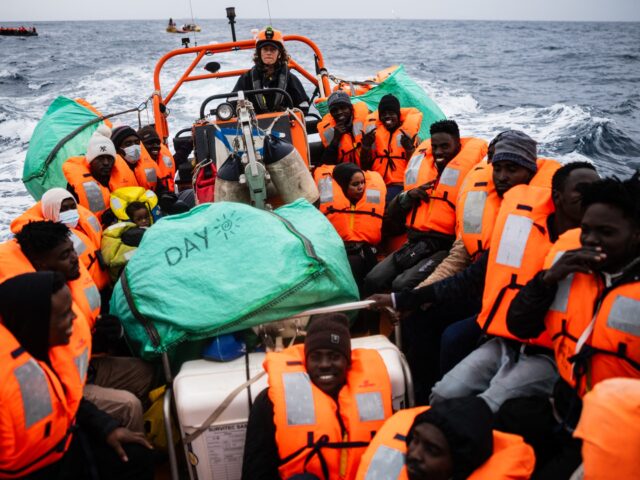
At least 51 people are dead or missing after a migrant boat capsized off the coast of Libya, once again highlighting the deadly and largely uncontained flow of migration across the central Mediterranean. The tragedy adds to a growing list of maritime disasters linked to smuggling routes that continue to operate despite years of international warnings.
According to a monitoring group tracking migration movements in eastern Libya, the vessel overturned on June 12 in the Mediterranean Sea, off the country’s eastern coastline. Only ten people survived the shipwreck.
So far, 11 bodies have been recovered, while approximately 40 others remain missing and are presumed dead.
The group, known as Abreen, reported that the boat was carrying dozens of migrants attempting to reach European shores in search of better economic opportunities and safety. The journey, however, is one of the most dangerous migration routes in the world, with overcrowded and unseaworthy boats often departing from Libya’s coastline.
Libya remains one of the primary departure points for migrants from across North Africa and beyond, where human smuggling networks continue to exploit instability and desperation. Critics of Europe’s migration policies argue that the recurring tragedies expose a system that has struggled for years to effectively deter illegal crossings or dismantle smuggling operations at their source.
Humanitarian organizations, meanwhile, stress that many migrants are fleeing conflict, poverty, and political instability, and that the immediate priority should be strengthening rescue operations and legal pathways to reduce reliance on dangerous crossings.
Still, the political reality across Europe is increasingly shaped by public concern over border security and maritime migration routes. Governments face mounting pressure to balance humanitarian obligations with domestic demands for tighter controls and more effective enforcement.
And yet, despite years of policy debates and coordinated efforts, the Mediterranean continues to claim lives with alarming regularity. Each new disaster raises the same uncomfortable question: whether current approaches are addressing the root of the crisis—or simply managing its aftermath after the fact.
For now, another crossing has ended in tragedy, and another set of families is left waiting for answers that may never come.