Several major European Union nations are now pushing for tougher and faster trade restrictions against China as concerns grow over economic dependence, manufacturing losses, and Beijing’s expanding influence over critical supply chains.
According to reports, Spain, France, Italy, the Netherlands, and Lithuania jointly pressured the European Commission ahead of a major China policy discussion scheduled for May 29, arguing that the EU’s current trade-defense system is far too weak and too slow to respond to China’s aggressive trade practices.
The joint proposal reportedly claims Europe’s existing rules-based trade framework is being undermined by unfair competition, overcapacity dumping, and strategic foreign control over critical industries.
In other words, Europe may finally be realizing what many American conservatives and Trump supporters have warned about for years: allowing China to dominate key manufacturing sectors while Western economies hollow themselves out has consequences.
The five governments reportedly want Brussels to consider a broader and more aggressive trade-defense mechanism that could be used not only for traditional tariff disputes, but also for national security concerns involving strategic industries and critical imports.
Among the proposals being discussed are faster tariff implementation, tougher anti-circumvention rules, expanded local-content requirements, and even tariffs aimed directly at specific companies rather than entire product categories or countries.
The paper also reportedly calls for stronger tools to address situations where Europe becomes dangerously dependent on foreign suppliers for critical resources like rare earth minerals and advanced industrial components.
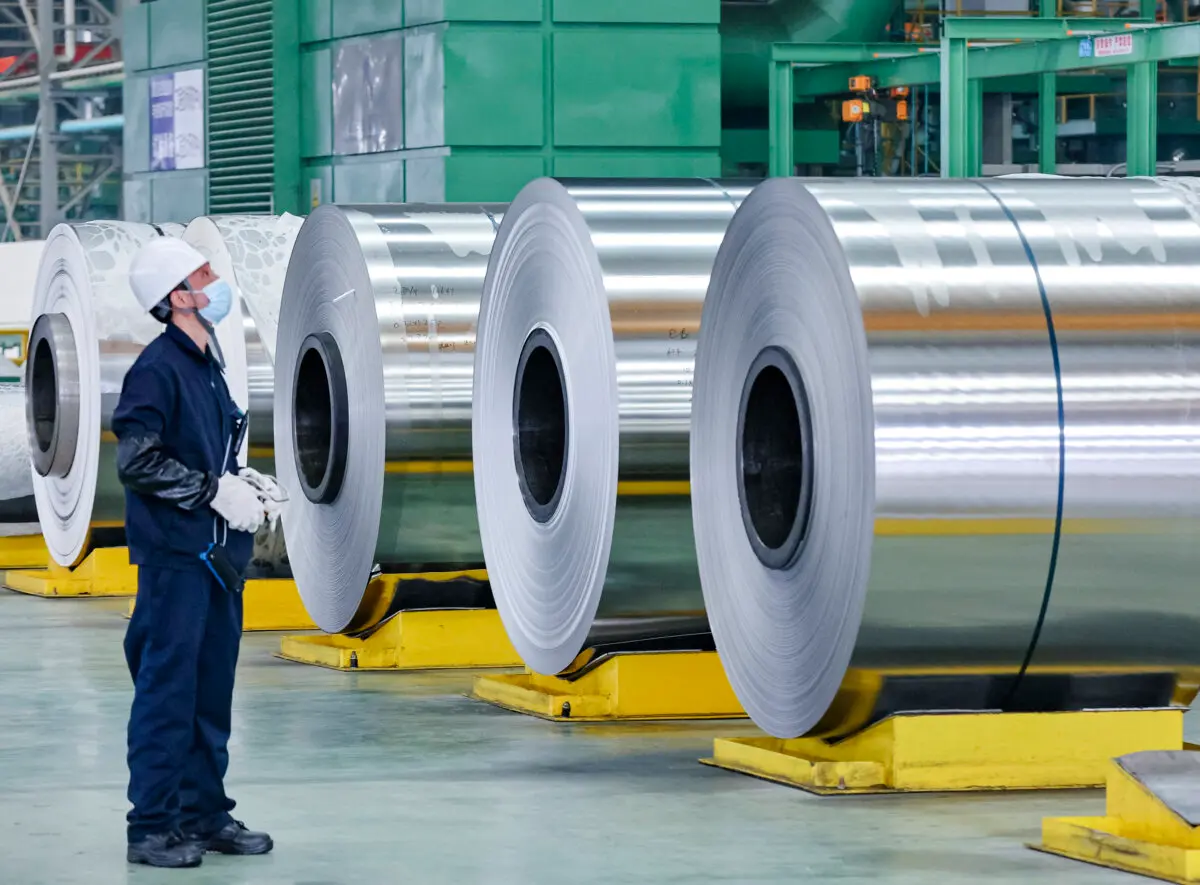
That concern has become increasingly urgent as China continues consolidating control over major supply-chain chokepoints around the world.
One particularly notable proposal would allow the EU to impose additional tariffs or import quotas whenever dependence on a foreign supplier is viewed as a security risk. Translation: Europe is starting to understand that “cheap imports” stop looking like a great deal once your entire economy depends on geopolitical rivals for basic industrial survival.
A recent European Parliament study appears to support many of those concerns. The March 2026 report concluded that the EU’s traditional trade-defense instruments are poorly equipped to handle modern overcapacity challenges because investigations take too long and require extensive proof of economic damage before action can even begin.
The study also recommended expanding trade intelligence capabilities, including deeper monitoring of supply chains, ownership structures, manufacturing networks, and intermediary companies connected to Chinese production systems.
The economic imbalance itself is becoming impossible for Europe to ignore.
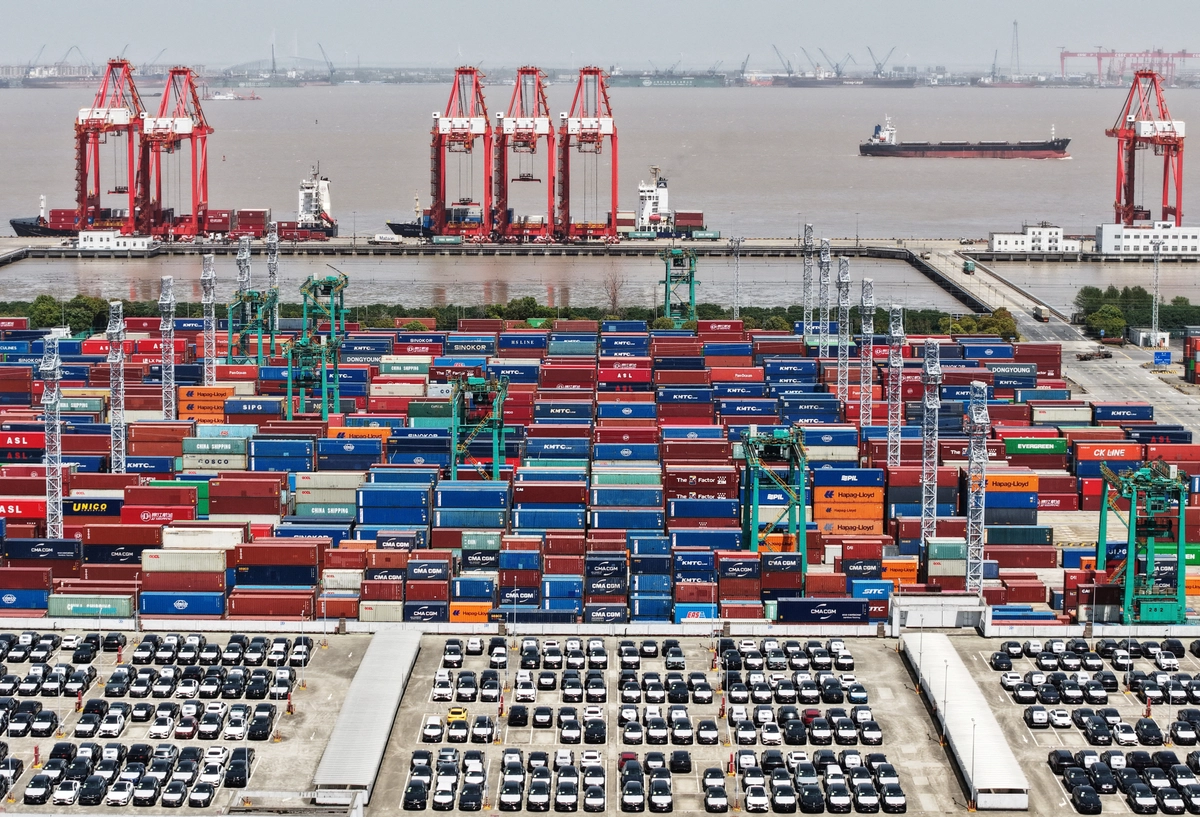
According to Eurostat data, the European Union exported roughly 199.6 billion euros worth of goods to China in 2025 while importing 559.4 billion euros in return — leaving the bloc with a staggering trade deficit of nearly 360 billion euros.
Even more alarming for European policymakers, the imbalance worsened over the past year as exports to China dropped by 6.5% while Chinese imports into Europe increased by 6.4%.
For years, many European leaders dismissed warnings about dependence on China while aggressively embracing globalization policies that weakened domestic manufacturing and increased reliance on foreign supply chains. Funny how “strategic autonomy” suddenly matters once factories disappear and dependency becomes unavoidable.
China, unsurprisingly, is not pleased.
Chinese Commerce Ministry spokesman He Yadong warned that if Europe moves forward with new trade-defense tools targeting Chinese overcapacity, Beijing would interpret the measures as an attempt to suppress Chinese competition and cover up Europe’s own industrial problems.