The rule of law has finally prevailed. After years of legal battles, the Supreme Court has cleared the path for robust immigration enforcement, directly affirming the Trump administration's principled stance that "Temporary Protected Status" means just that: temporary.
In a significant development for national sovereignty and border integrity, U.S. Immigration and Customs Enforcement (ICE) is now set to launch a dramatic increase in operations, targeting Haitian nationals whose Temporary Protected Status (TPS) designation is officially concluding.
This sweeping enforcement action, expected to commence as early as this week, follows the Supreme Court's certified judgment transmitted to lower courts on Monday. The decision reverses previous lower-court rulings that had indefinitely stalled the Trump administration's original plans to end TPS for over 300,000 Haitians and Syrians.

Federal sources have revealed that Ohio, particularly Springfield with its substantial Haitian population, will be a key focus of these intensified operations. ICE leadership has reportedly been fully briefed, indicating the seriousness and scale of this national effort to restore order to our immigration system.
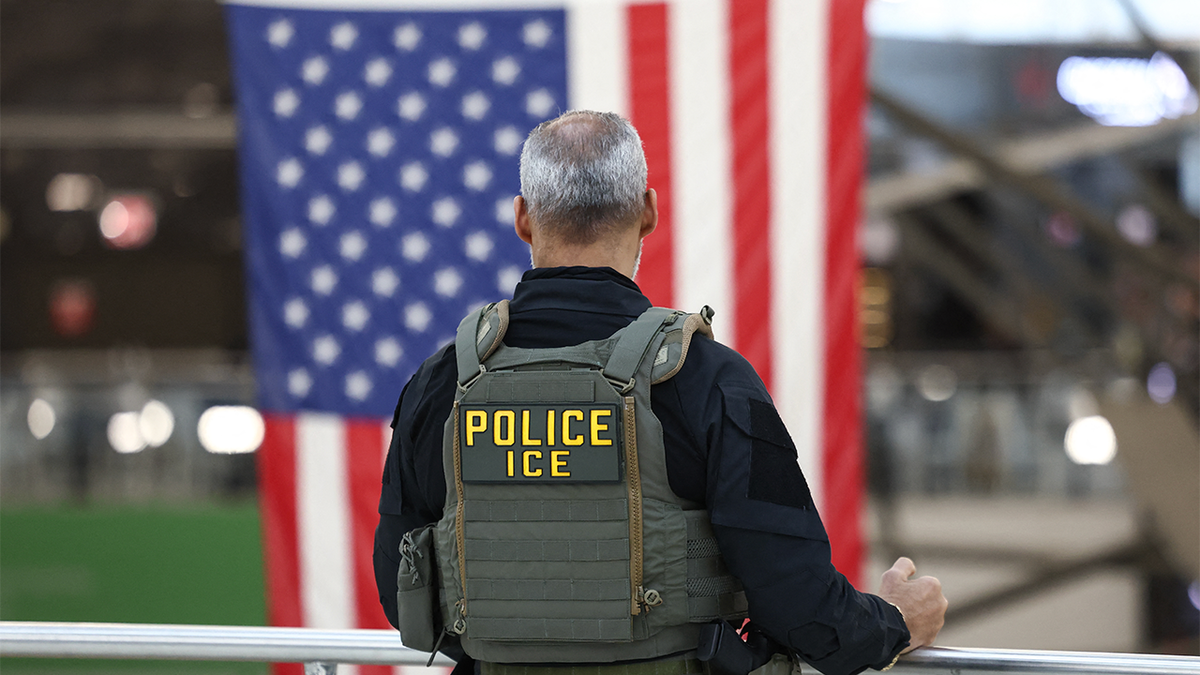
The core of the matter, as consistently argued by the Trump administration, is that TPS was never designed as a backdoor for permanent residency or de facto amnesty. It was a humanitarian measure, instituted for Haiti after the devastating 2010 earthquake, intended for finite periods.
White House spokeswoman Abigail Jackson hailed the Supreme Court's decision as "a tremendous win" for the administration, reiterating President Trump's steadfast belief: "temporary protected status is, by definition, temporary. It was never intended to be a pathway to permanent status or legal residency." She added, "The Trump Administration continues to lawfully end the egregious abuses to our immigration system that have hurt Americans for years."
Department of Homeland Security (DHS) General Counsel James Percival echoed this sentiment on X, stating, "The Court vindicates DHS yet again. The T in TPS stands for TEMPORARY, yet many of these designations became de facto amnesty. This is a win for the rule of law and common sense." And there it is.
The reassertion of immigration law comes at a critical time, with communities like Springfield, Ohio, thrust into the national spotlight due to the rapid expansion of their Haitian populations and the broader questions surrounding current immigration policies ahead of the 2024 presidential campaign.

This development underscores a fundamental principle for America First advocates: immigration policies must serve the national interest, uphold the rule of law, and differentiate between genuine humanitarian aid and perpetual, unchecked residency. The Supreme Court's decision, by allowing the enforcement of established immigration guidelines, is a victory for sovereignty and for the American people who demand accountability and integrity from their government.