A decade-long serial rape case in Indiana finally came to a dramatic end after an FBI DNA breakthrough tied an illegal immigrant to a string of violent sexual assaults that terrorized Marion County for years. Amazing what happens when authorities are actually allowed to enforce immigration laws and collect basic criminal evidence.
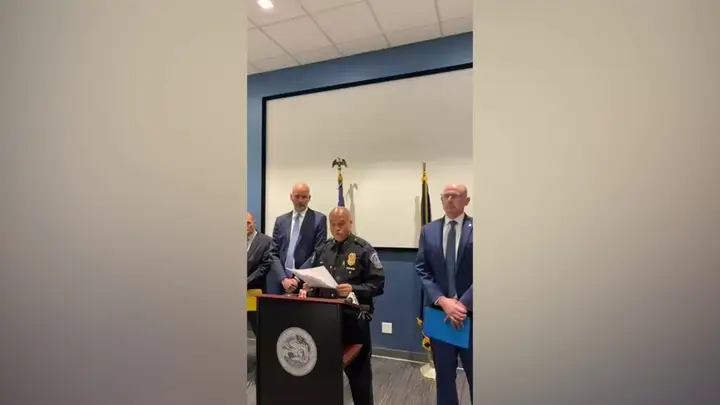
Leonel Catalan-Torreblanca is now facing 30 criminal charges, including serious felonies that could bring sentences of up to 50 years under Indiana’s old penal code, according to Marion County prosecutor Ryan Mears during a Wednesday press conference.
Authorities say the alleged attacks stretched from March 2013 all the way through January 2024, leaving investigators chasing the same suspect for more than a decade. For years, law enforcement knew the crimes were connected because DNA recovered from multiple crime scenes matched profiles already stored in the FBI’s Combined DNA Index System, better known as CODIS. The problem? They had no name attached to the DNA.
According to officials, Catalan-Torreblanca had previously slipped through the cracks because his only prior arrest was for a misdemeanor DUI — an offense that did not require a DNA swab at the time. One small loophole, and a suspected predator stayed hidden for years. Brilliant system, right?
The breakthrough finally came after Immigration and Customs Enforcement collected Catalan-Torreblanca’s DNA, allowing his profile to be entered into CODIS. That submission immediately triggered a match linking him to the series of alleged assaults.
FBI Special Agent in Charge Tim O’Malley confirmed that Catalan-Torreblanca was in the United States illegally, although authorities admitted they are “not entirely sure exactly where he’s from originally.”
Once the FBI confirmed his identity on April 22, the Indianapolis Metropolitan Police Department’s Violent Crimes Unit moved fast, locating and arresting him at a relative’s home within just four hours.
The case is already being pointed to as a major example of how cooperation between federal immigration authorities and law enforcement can help remove dangerous criminals from American communities. After more than ten years, investigators finally got the break they needed — and many residents are breathing easier knowing this suspect is now behind bars.