In a move that should surprise absolutely no one paying attention to the ongoing debate about election security, the Florida Legislature has passed a bill requiring verification of U.S. citizenship for registered voters. Yes, you read that right—proving you’re actually a citizen before voting in American elections. Apparently, that concept is still controversial to some people.
The legislation follows strong calls from congressional Republicans and President Donald Trump for broader election-law reforms across the country. Florida, a state that has consistently led the way in election integrity efforts, is once again stepping up to strengthen the system.
While the law was initially expected to take effect July 1—just ahead of the Aug. 18 primaries and months before the Nov. 3 midterms—the provisions will now take effect in January 2027.
The bill also narrows the list of acceptable voter IDs at the polls. Under the new rules, student IDs and retirement-home IDs will no longer be valid forms of identification. However, driver's licenses, state ID cards, military IDs, and licenses to carry concealed weapons will continue to be accepted as proof of identity. In other words, legitimate, widely recognized identification—hardly an outrageous request when participating in something as important as voting.
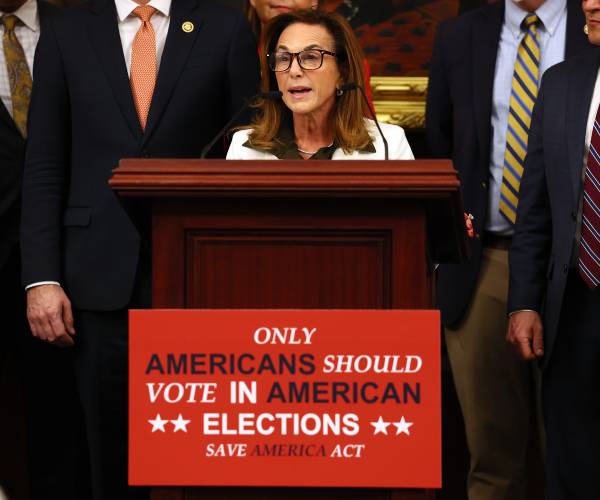
Meanwhile, the push for stronger election safeguards isn’t stopping in Florida. In Washington, Senate Majority Leader John Thune announced plans for a high-profile Senate showdown over the Safeguard American Voter Eligibility Act, better known as the SAVE America Act.
The Republican-led proposal would require documentary proof of U.S. citizenship to register for federal elections and mandate photo ID for voting. It would also introduce additional restrictions on mail-in ballots. The House already passed the measure last month, setting the stage for what could be a major national debate on election integrity.
Back in Florida, lawmakers spent hours debating House Bill 991 before sending it through both chambers. The Senate approved the measure 27–12, with nearly all Republicans supporting it. The House followed with a 77–28 vote.
The bill now heads to Gov. Ron DeSantis for his signature.
DeSantis made his stance clear, posting on X that the legislation will further reinforce Florida’s reputation as a national leader in election integrity.
“Although Florida has already enacted much of what the federal legislation contemplates, this will further fortify our state as the leader in election integrity,” he wrote.
Supporters of the bill argue the measure is about restoring trust in the electoral process—something that millions of Americans have been demanding for years.
State Sen. Erin Grall, who sponsored the Senate version of the bill, put it bluntly.
“What is our tolerance for fraud and lack of integrity?” she asked during the debate.
She pointed out that even though Florida already has secure elections, gaps still exist where additional safeguards could prevent fraud. In other words, protecting the system before problems grow—an approach that seems like basic common sense.
And there’s real data behind the concern. A 2025 report from the Florida Office of Election Crimes and Security revealed that investigators examined more than 835 cases and found 198 individuals who were likely noncitizens that had illegally registered or voted. Of those, 170 were referred to law enforcement.
Naturally, some critics opposed the measure, labeling it with a list of dramatic accusations. But supporters remain focused on the core issue: ensuring that only American citizens vote in American elections.
The legislation also includes provisions to crack down on political party switchers and establishes a legal process allowing rival candidates to challenge whether someone meets the requirements to appear on the ballot. That particular section would take effect immediately once the governor signs the bill.
At the end of the day, the goal is simple—protect the integrity of elections and strengthen public confidence in the democratic process. And with Florida continuing to lead the way, many Americans see this as another step toward ensuring elections remain secure, transparent, and worthy of the trust of the people