Businesses can choose their message. Americans can choose where they spend their money. But when a company openly tells veterans and active-duty troops they are not welcome, people tend to notice.
And in Florida, they noticed fast.
A tattoo shop in Largo is facing growing backlash after a social media post declared that active-duty military members and veterans would be refused service based on the owner’s stated views about the military and law enforcement.
Revival Tattoo Collective posted a message on June 23 defending earlier comments and escalating them into an explicit policy announcement.
“People all in their feelings because I expressed my opinion of the military and law enforcement,” the post stated. “My opinion is that the military is a bunch of war criminals and law enforcement kills babies and unarmed citizens in the street.”
The post continued by criticizing reactions from opponents, saying, “If you don’t like my opinion cool, but you’re not going to change it,” while also referencing criticism, threats to report the business, and insults directed at the shop.
Then came the line that turned a controversial opinion into a public business decision.
“Once again for the slow ones the military. Pretty simple if you are ex military or currently serving just don’t come to the shop. You will be turned away.”
That statement triggered swift criticism online, with many objecting not simply to the political opinion but to the decision to reject people based on military service.
The backlash reflects something larger than one Florida business.
Americans argue about foreign policy. They argue about military interventions. They argue about policing. That is nothing new.
But broad declarations that treat everyone who wore the uniform as morally guilty tend to hit a different nerve in a country where military service still carries deep respect across political lines.
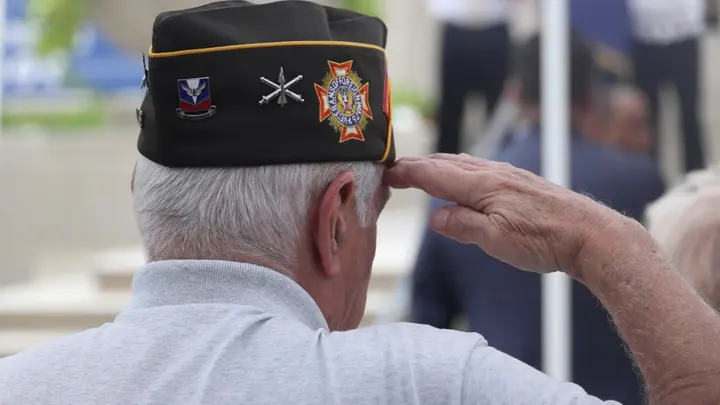
The overwhelming majority of service members are not politicians making war decisions. They are volunteers who signed contracts, missed holidays, deployed overseas, protected bases, responded to disasters, and accepted risks most Americans never face.
Disagreeing with wars is one thing.
Declaring veterans unwelcome at your business is another.
Florida has long positioned itself as one of the country’s most military-friendly states, home to large veteran communities and active-duty installations. That backdrop helps explain why the reaction moved beyond ordinary internet outrage and into a broader conversation about respect, service, and whether political activism sometimes crosses into simple contempt.
Businesses are free to make choices. Customers are free to respond.
That part of the market still works exactly as intended.