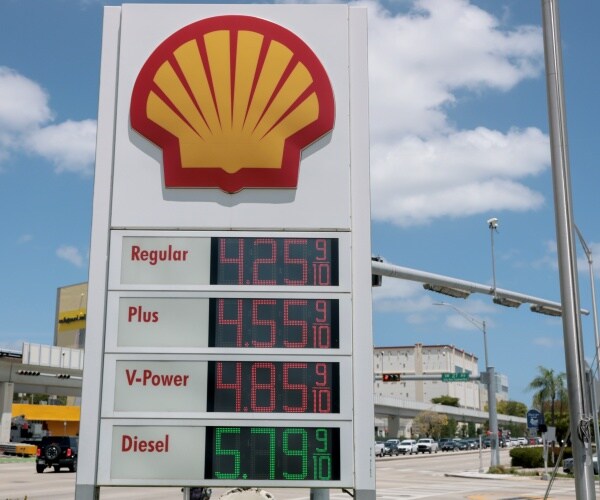
If you’ve been hoping for relief at the pump anytime soon… well, you might want to keep those expectations in check. According to Energy Secretary Chris Wright, gas prices have likely peaked—but they may stick above $3 per gallon until next year. Not exactly the quick win everyone loves, but at least there’s light at the end of the tunnel.
Wright explained that while prices could dip below $3 later this year, it’s just as likely that Americans won’t see that number again until 2027. Still, he emphasized that prices should begin trending downward, especially as tensions tied to the U.S. and Israeli conflict with Iran begin to ease. And let’s be honest—global conflict and stable gas prices rarely go hand in hand.
Right now, the average price for regular gas sits at $4.05 per gallon, noticeably higher than the $3.16 Americans were paying a year ago. That spike has been fueled in large part by disruptions linked to the conflict, including concerns over oil shipments and regional instability.
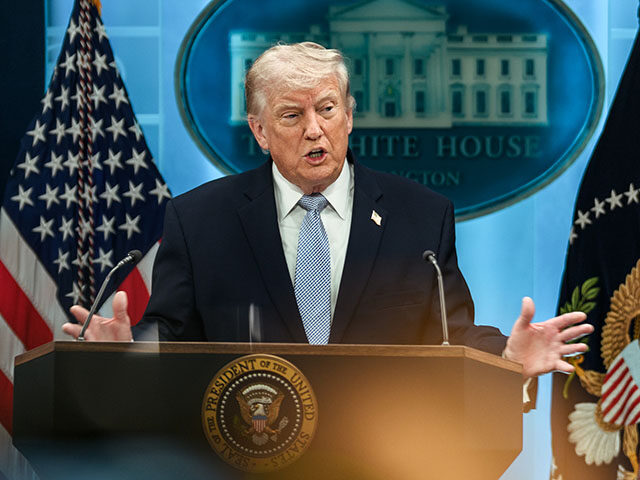
Within the Trump administration, there’s some variation in predictions. Treasury Secretary Scott Bessent has suggested prices could fall closer to $3 as soon as this summer, while Wright is taking a more cautious stance. President Donald Trump himself has acknowledged that prices may remain elevated through November—timing that just so happens to overlap with key midterm elections. Coincidence? Maybe. Politics? Definitely.
Still, there’s a consistent message across the board: once the Iran conflict winds down, prices are expected to drop. Wright even noted that gas under $3 would be “tremendous” when adjusted for inflation—and confidently stated that the U.S. will get back there.
The impact isn’t limited to drivers. Airlines have also raised concerns about potential jet fuel shortages, though Transportation Secretary Sean Duffy reassured that supply should stabilize as the situation improves. In fact, he suggested that in the long run, Americans could benefit from cheaper travel costs as fuel prices come down. So yes, your next vacation might not break the bank—eventually.
Meanwhile, the geopolitical situation remains fluid. Although a 10-day ceasefire between the U.S. and Iran was announced, President Trump accused Iran of violating it with attacks on ships in the Strait of Hormuz. Negotiations are ongoing, with U.S. officials heading to Pakistan for further talks.
Trump also reiterated a firm stance, stating that the U.S. has offered a “fair and reasonable deal,” while warning of serious consequences if it’s rejected. It’s a reminder that strong leadership and clear messaging remain front and center during uncertain times.
In the end, while Americans may have to deal with higher gas prices a bit longer, there’s growing confidence that relief is coming. As stability returns and supply chains recover, the path back to lower prices is still very much in sight—and that’s something drivers across the country can look forward to. ??