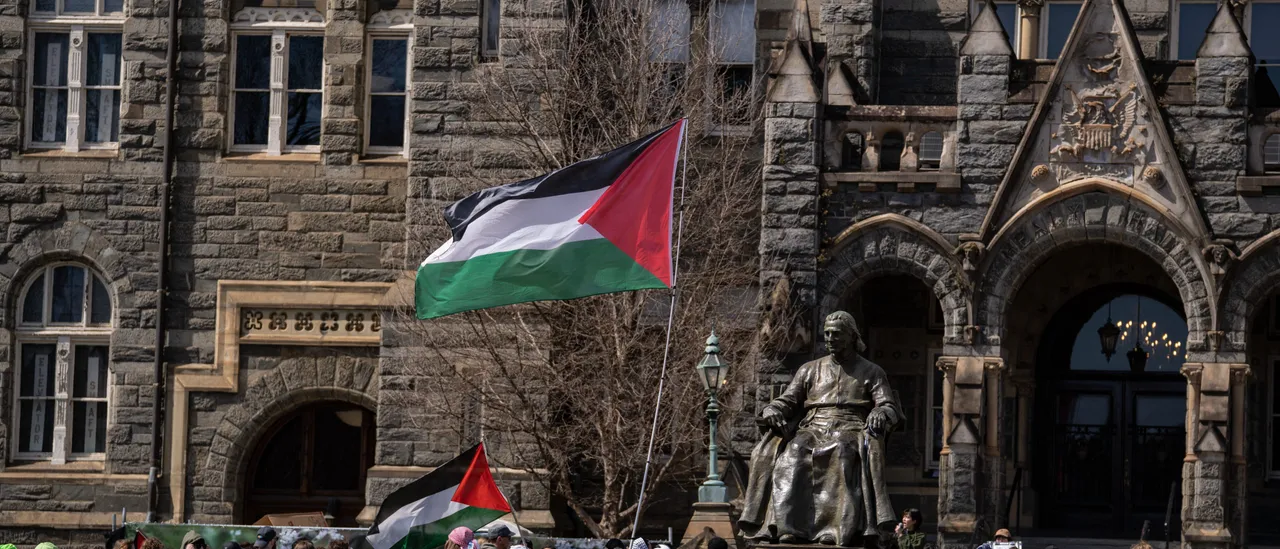
A Georgetown University professor is facing intense backlash after making controversial remarks about concerns surrounding so-called “rape gangs” in the United Kingdom — and doubling down in a way that’s only fueling the fire.
Jonathan A. C. Brown, who chairs Islamic Civilization studies at Georgetown, drew criticism after responding “get over it” — twice — to social media posts linking the crisis to Islam. The comments, which were later deleted, came in response to a post from U.K. Independent MP Rupert Lowe, who argued there is a repeated connection between the crimes and one particular religion.
Rather than engaging the argument, Brown’s blunt response quickly ignited outrage online. When another user called his comment “absurdly evil,” the professor repeated the same phrase again — a move that didn’t exactly calm tensions.
Unsurprisingly, the reaction on campus wasn’t quiet either.
A Georgetown student and leader of the College Republicans chapter, Shae McInnis, publicly called for Brown’s removal, arguing that the professor’s remarks reflect a pattern of troubling statements. McInnis pointed to past comments attributed to Brown, including controversial remarks about Iran, as further evidence that his views are out of step with the university’s values.
And here’s where the situation gets even more heated: critics say this isn’t just about one tweet, but about a broader issue of accountability in academia. When a professor in a high-profile position appears to dismiss serious concerns — especially those involving violent crimes — people tend to notice. Quickly.
At the same time, the topic itself remains highly sensitive and politically charged. Discussions about crime, culture, and religion in the U.K. have long sparked fierce debate, with strong opinions on all sides. Brown’s comments, rather than adding clarity, seem to have poured gasoline on an already burning issue.
Georgetown University has not issued a response to the controversy, leaving questions about how — or if — the institution will address the situation.
In the end, this story highlights a growing tension in higher education: where is the line between academic freedom and public responsibility? It’s a question that isn’t going away anytime soon.
What is clear, however, is that when public figures speak on serious issues, how they say it matters just as much as what they say. And in today’s environment, dismissive responses rarely stay quiet for long.