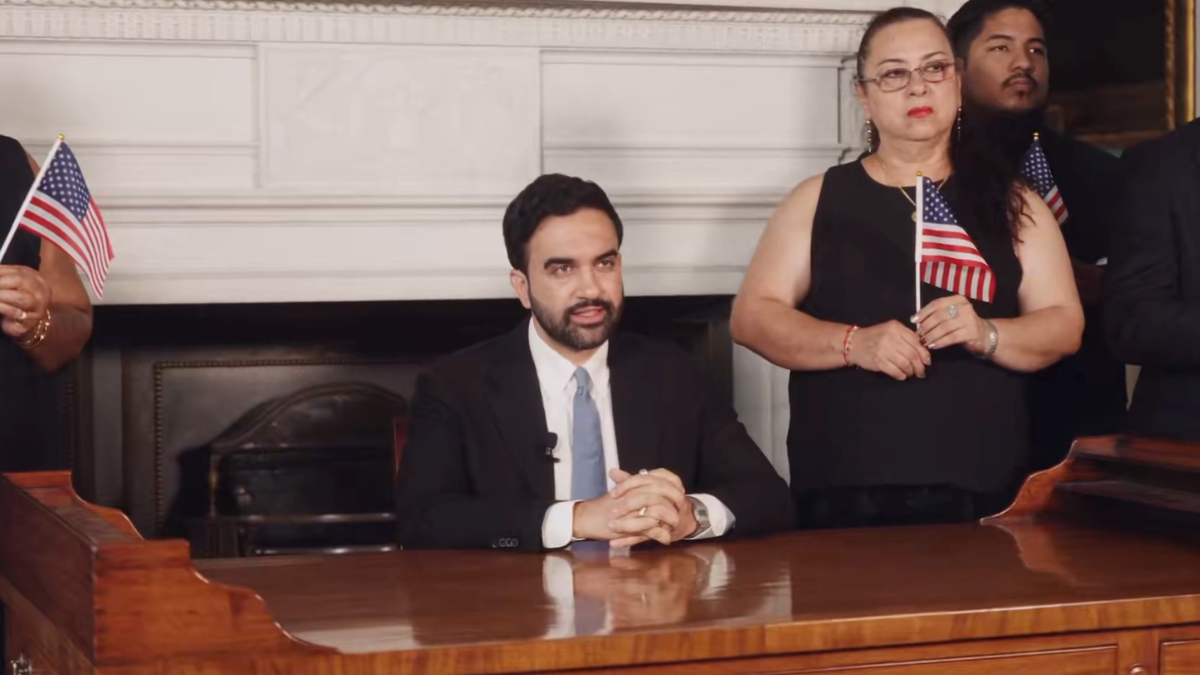
Just days after a woman publicly accused Maine Democratic Senate nominee Graham Platner of rape, the Democratic Party is already looking beyond its own candidate.
Platner released a video denying the accusation and saying he would spend time reflecting on whether to continue his campaign. In modern politics, that kind of statement often signals that a candidate is weighing an exit rather than mounting a full-throated fight.
The allegation remains unresolved, and Platner has denied wrongdoing. No court has determined the truth of the claims.
What is becoming increasingly clear, however, is that many of the Democratic Party's most influential backers appear to be preparing for life after Platner.
Several Democrats who had previously supported his candidacy have begun distancing themselves, while Maine Democratic leaders and the Democratic Senatorial Campaign Committee (DSCC) have indicated they will no longer support his campaign. Losing the backing of party leadership and the national fundraising apparatus is a devastating blow for any statewide candidate, particularly in the middle of an election cycle.
Behind the scenes, speculation is growing over who could replace Platner if he withdraws before Maine's deadline.
One name generating considerable discussion is Troy Jackson, the former president of the Maine Senate. Jackson recently sought the Democratic nomination for governor but finished third in the primary after running with the endorsement of Bernie Sanders.
Reports have also suggested Platner is seeking assurances about how any withdrawal would be handled before stepping aside, fueling further speculation that negotiations are underway as Democrats attempt to avoid a chaotic vacancy on the ballot.
The episode has reignited broader questions about Democratic vetting of candidates. Republicans have argued that party leaders should have identified any potential liabilities long before Platner secured the nomination rather than scrambling for alternatives only after serious allegations became public.
The comparisons to the Democratic Party's handling of President Joe Biden have been difficult to ignore for many conservatives, who contend that party insiders too often attempt to manage political crises after the fact instead of allowing voters to make informed decisions during the primary process.
Under Maine election law, Democrats can replace Platner on the ballot if he withdraws by July 13. Should that happen, party officials would then have until July 27 to select a replacement nominee.
For now, Platner insists he has done nothing wrong, but with national Democratic support evaporating and replacement names already circulating, the biggest question may no longer be whether he can win—it is whether he remains the party's nominee at all. The coming days will test whether Democratic leaders are willing to stand behind the candidate their voters selected or move quickly to install someone else before the election clock runs out.