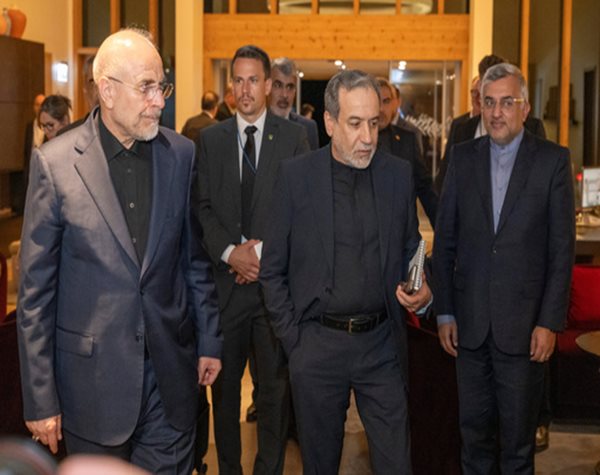
Vice President JD Vance and senior Iranian officials arrived in Switzerland on Sunday to formally begin negotiations aimed at turning a recently signed framework agreement into a lasting arrangement over Tehran’s nuclear program—a process carrying major consequences for global security, energy markets, and regional stability.
The agreement, signed last week, established a broad framework intended to bring an end to the conflict involving Iran. Now negotiators face an intense 60-day window to settle the technical details that could determine whether the deal becomes a diplomatic breakthrough or another temporary pause in a long-running confrontation.
The timing is already proving difficult.
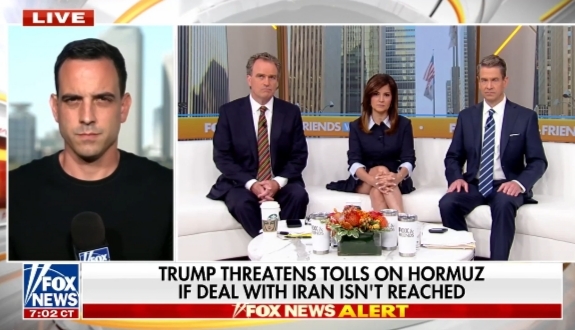
Only days after the framework was signed, new tensions emerged as fighting escalated in Lebanon between Israel and the Iranian-backed militant group Hezbollah. At nearly the same time, Iran’s military announced the closure of the Strait of Hormuz, one of the world’s most strategically important maritime routes and a passage that handles a significant share of global oil and natural gas trade.
That development immediately raised concerns among markets and policymakers who see uninterrupted energy flows as closely tied to economic stability and international security.
Before entering the negotiations, Vance held talks with Pakistani Prime Minister Shehbaz Sharif and Field Marshal Asim Munir, who has reportedly played an intermediary role between Washington and Tehran throughout the conflict.
Supporters of the diplomatic process argue that direct negotiations—even under difficult conditions—offer the best chance to reduce the risk of wider conflict and prevent further economic disruption.
Critics, however, question whether agreements reached under pressure can produce lasting outcomes, particularly when regional tensions continue to flare immediately after signatures are placed on paper. Peace agreements are often judged less by ceremony than by what happens the following week.
The talks in Switzerland now move into the harder phase: technical commitments, verification mechanisms, enforcement questions, and long-term trust—or the lack of it.
For the United States, the stakes extend beyond diplomacy. The broader debate is likely to center on a familiar question in foreign policy: how to pursue stability without appearing to reward escalation, and how to secure peace while maintaining deterrence. With energy markets, regional alliances, and global security watching closely, the outcome of these negotiations could shape far more than relations between Washington and Tehran.