Few issues in American politics generate debate quite like election rules—but voter ID continues to stand out for one simple reason: broad public support.
According to polling highlighted earlier in 2026 by CNN data analyst Harry Enten, voter identification requirements remain popular not only among Republicans and independents, but also among Democratic voters. In other words, this isn’t exactly some fringe position hidden in a corner of the internet.
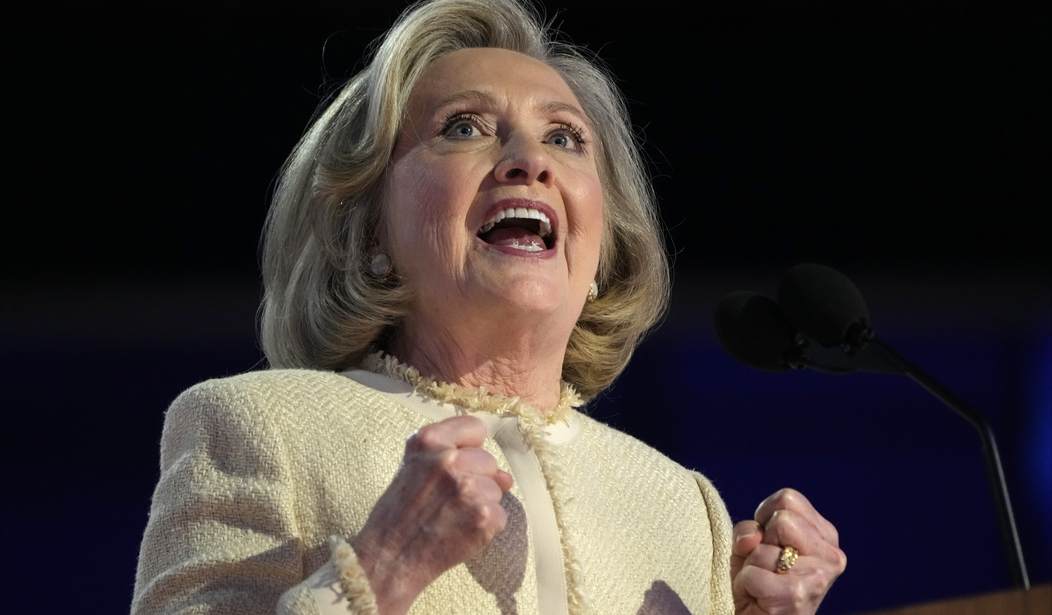
That’s what made Hillary Clinton’s latest comments on redistricting and voter ID draw renewed attention.
Critics argue that her remarks managed to alienate even more Americans by appearing out of step with an issue where public opinion has shown notable consistency. When a policy keeps attracting support across party lines, dismissing it can become politically complicated—and sometimes politically expensive.
The debate over election rules has remained central to broader conversations about trust, participation, and confidence in the electoral process. Supporters of voter ID often argue that verification measures strengthen public confidence while remaining a common expectation in many areas of daily life.
As discussion continues around redistricting and election policy, one thing appears difficult to ignore: Americans may disagree on plenty of things, but on voter ID, the numbers highlighted earlier this year suggest there is more agreement than some political figures seem willing to admit.
And in politics, few things are more surprising than discovering voters actually agree with each other.