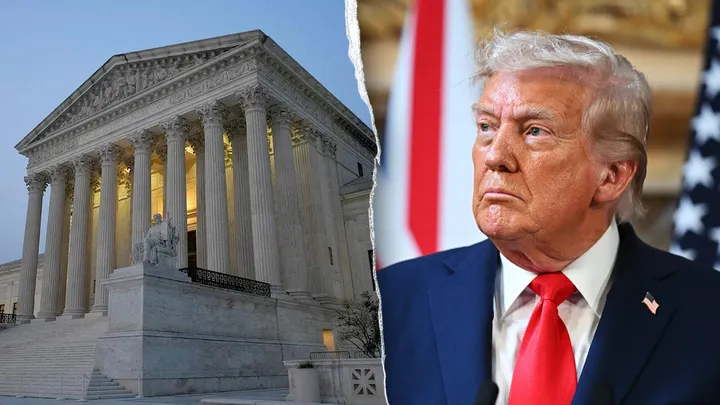
As the Supreme Court enters the final stretch of its term, attention is turning to a series of major decisions that could carry enormous consequences not only for President Donald Trump’s policy priorities but also for the future balance of presidential authority.
Inside the Court, the closing weeks of June are often referred to as “flood season”—the annual sprint to finish opinions before the justices leave Washington for summer recess. Behind the scenes, the nine justices and their law clerks work through tight internal deadlines to finalize and circulate opinions across the Court’s remaining docket.
This year, 23 cases remain unresolved after arguments were heard in nearly 60 disputes throughout the term.
Among the pending decisions are four appeals tied to executive actions taken by President Trump, alongside two election-related cases and separate disputes involving gun rights and transgender rights.
Taken together, the remaining cases represent more than routine legal housekeeping. Supporters of a stronger executive branch see several of these decisions as opportunities to clarify and reinforce presidential authority, while others view them as tests of constitutional limits and institutional balance.
The final opinions could influence how future administrations govern long after the headlines fade—because in Washington, temporary policies often disappear, but legal precedent has a habit of staying.
As June enters its final weeks, attention now shifts from campaign stages and press conferences to the marble chambers of the Supreme Court, where a handful of decisions may help define the next chapter of American government.