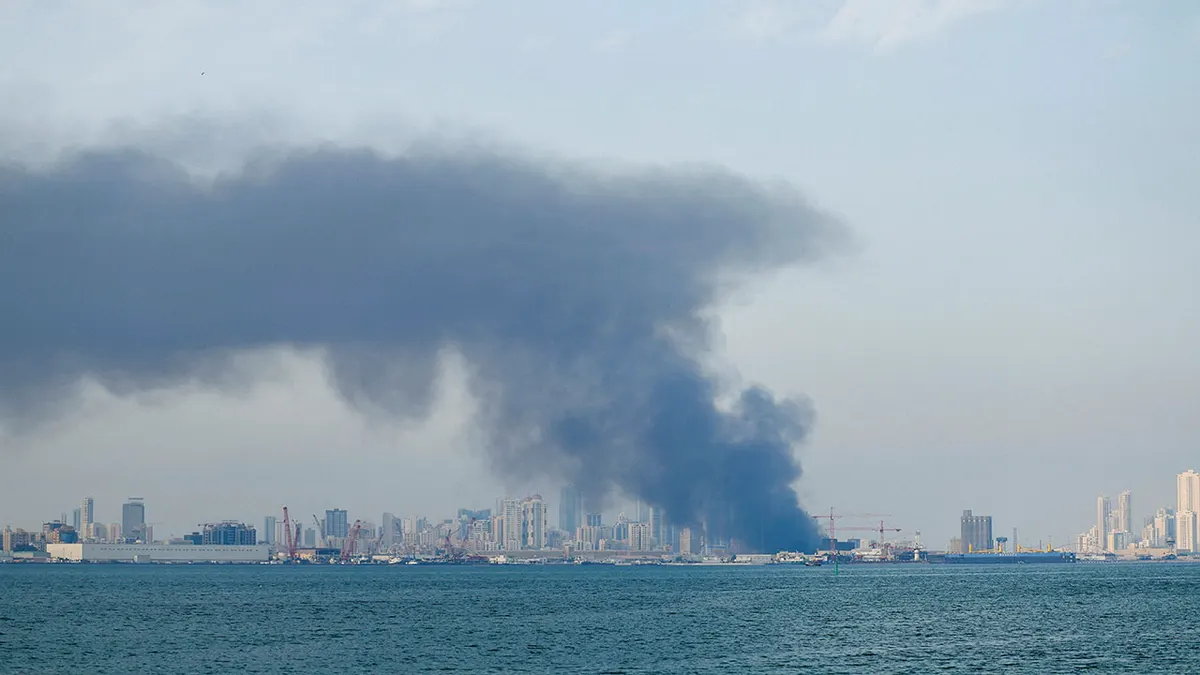
The Middle East took another dangerous step toward confrontation Saturday after Iran launched drone strikes against Bahrain, drawing swift condemnation across the Gulf and raising fresh questions about whether Tehran is serious about regional stability—or simply buying time.
Several Gulf nations moved quickly to denounce the attack and signal a united front against any further aggression, warning that the region cannot afford another cycle of escalation driven by Iranian military pressure.
The strike comes at a particularly sensitive moment.
Just last week, President Donald Trump and Iranian President Masoud Pezeshkian signed a memorandum of understanding that many viewed as an attempt to cool tensions and open a path toward a more stable regional balance. The agreement was watched closely across the Middle East, not because anyone suddenly forgot decades of mistrust, but because diplomacy backed by strength can create openings where weakness never does.
Now that opening faces its most serious test yet.
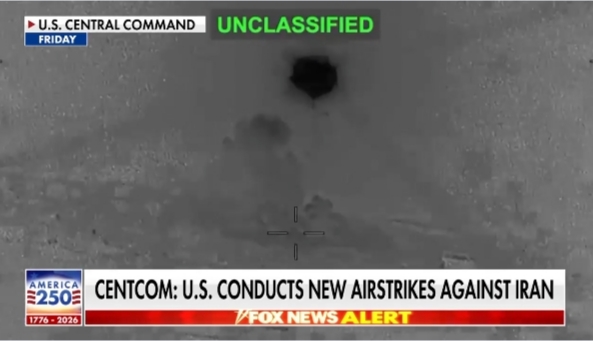
The latest escalation began after Iran struck a cargo vessel moving through the Strait of Hormuz on Friday—one of the world’s most strategically important shipping lanes and a critical artery for global energy markets. The move triggered a U.S. military response overnight, with American forces targeting Iranian missile positions, drone infrastructure, and radar sites.
By Saturday, Tehran answered with drone strikes aimed at Bahrain.
That choice carried weight far beyond geography.
Bahrain is not an isolated target. The island nation hosts the U.S. Navy’s Fifth Fleet and serves as one of America’s key security anchors in the Gulf. Any attack there sends a message well beyond Manama—it challenges the regional order and tests whether deterrence still means anything.
The reaction from neighboring Gulf states was immediate and unusually unified. Rather than offering cautious statements or diplomatic ambiguity, regional governments emphasized solidarity and made clear they intend to stand together against future threats.
That response matters.
For years, critics of American leadership in the region argued that pressure and strength only inflamed tensions. But moments like this remind the world of a harder truth: agreements survive when they are backed by consequences, not wishful thinking.
The question now is whether Tehran intends to preserve the framework it helped sign—or whether this latest move reveals that escalation remains the preferred language.
The coming days may determine whether the memorandum becomes the start of a new chapter or another reminder that peace in the Gulf still depends on credibility, deterrence, and the willingness to defend it.