When an authoritarian regime starts losing control, it doesn’t reach for transparency—it reaches for the off button. That’s exactly what Iran’s rulers appear to have done, triggering a nationwide internet “kill switch” as protests surged and allegations of lethal force piled up.
According to NetBlocks CEO Alp Toker, this blackout ranks among the most severe ever recorded in Iran, slashing connectivity to less than 2% of normal levels. On day 13 of nationwide protests, as groups like Amnesty International accused the regime of using deadly force, the internet suddenly went dark. Coincidence? Sure—if you believe in fairy tales.
“This is Iran’s war against its own population using digital means,” Toker said, describing a top-down, centrally controlled censorship mechanism designed to silence and isolate. In other words, one switch, flipped from the top, with no legal recourse for ordinary citizens. Very democratic—by the regime’s standards.
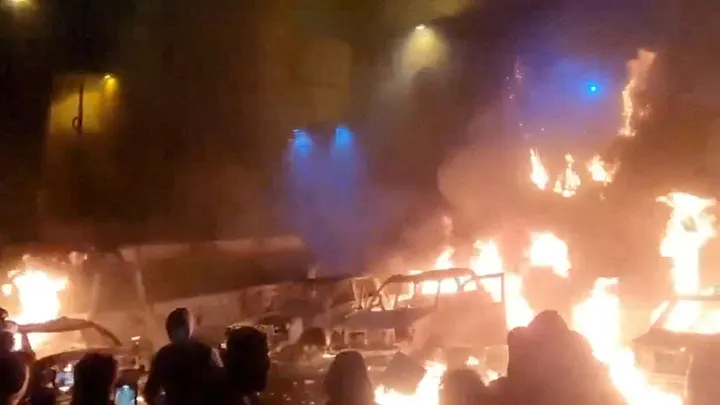
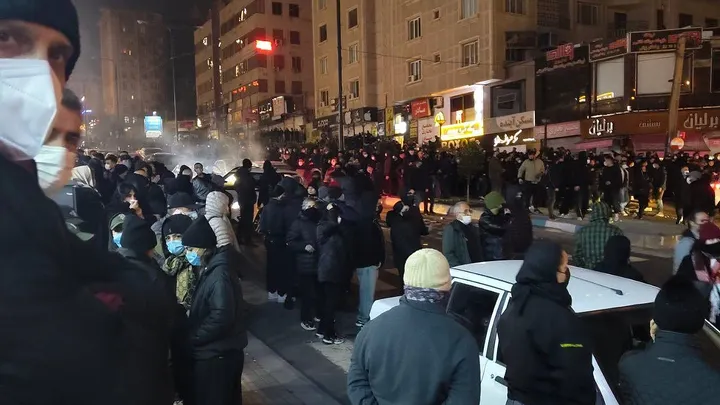
Human Rights Activists in Iran reported at least 65 people killed, more than 2,300 arrested, and protests spreading to at least 180 cities. Most of the dead were protesters. Amnesty International described a familiar pattern: security forces firing, chasing, arresting, and beating citizens whose crime was daring to demand change after decades of repression. Apparently, asking for freedom is still a capital offense.
The blackout doesn’t just affect social media. It’s hammering banks, essential services, and basic communication. Mobile phones, computers, fixed lines—almost everything is cut. People can’t reach the outside world, and the outside world can’t see what’s happening inside. That’s the point.
Toker explained that Iran has refined this capability over decades. What once required painstaking, city-by-city shutdowns—as in 2019—has now been centralized into a one-step operation. Some limited loopholes remain near borders, and satellite internet like Starlink could help, though the regime bans the equipment. Authoritarian governments don’t like competition, especially when it involves free information.
NetBlocks has seen this movie before. Similar multi-week blackouts coincided with mass killings in 2019 and again during the 2022 protests following the death of Mahsa Amini. This time, however, the regime didn’t bother maintaining a baseline of service—it simply pulled the plug. That suggests fear, not strength.
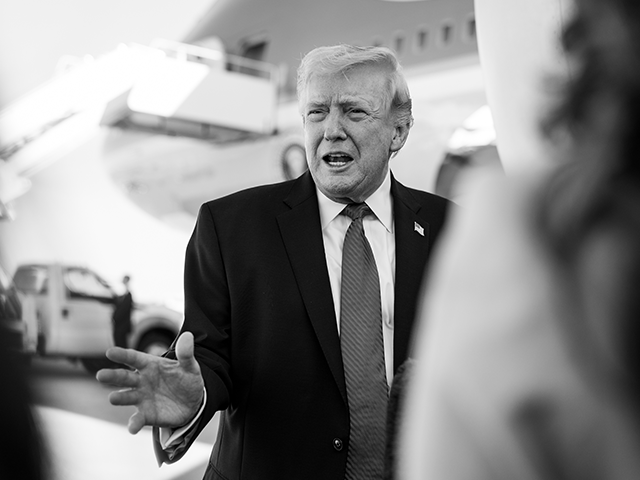
President Donald Trump didn’t mince words. Speaking from the White House, he warned Iran’s leaders against using force on protesters, saying the regime was in “big trouble.” He expressed hope for the safety of the Iranian people and issued a blunt warning: don’t start shooting.
That’s what real leadership looks like—calling out tyranny, standing with the oppressed, and refusing to look the other way. The Iranian people are showing remarkable courage, and history shows that regimes built on fear and censorship don’t last forever. Truth has a way of getting through—even when the internet doesn’t.