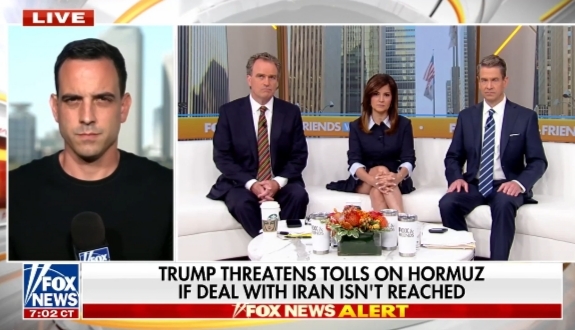
The already fragile diplomatic track between the United States and Iran took another sharp turn on Saturday, as Tehran signaled both participation in upcoming talks in Switzerland and a clear lack of confidence that anything meaningful will come from them. At the same time, Iranian military statements escalated tensions by declaring the Strait of Hormuz closed again, citing ongoing Israeli strikes in Lebanon and what it called U.S. “bad faith.”
It’s the kind of mixed messaging that raises more questions than answers—and not just among diplomats.
Iran announced that its negotiators will still travel to Switzerland for discussions with the United States, but officials were quick to downplay expectations. According to state media messaging, Tehran does not anticipate major progress, framing the talks more as procedural than productive.
At the same time, Iran’s joint military command escalated rhetoric by stating that the Strait of Hormuz had been closed once again, linking the move to ongoing Israeli military actions in Lebanon and accusing the United States of failing to uphold commitments and ending the conflict.
The statement, broadcast through state television, warned that if “aggression continues,” additional measures have already been prepared. No further operational details were provided.
From Washington’s perspective, such announcements are likely to be viewed as both provocative and destabilizing, particularly given the strategic importance of the Strait of Hormuz to global energy shipping. Critics argue that linking diplomatic negotiations with maritime threats undermines any possibility of trust at the table.
Supporters of Iran’s position, however, contend that the moves are a response to ongoing regional military pressure and what Tehran describes as broken assurances from Western powers. In their view, the messaging is less escalation for its own sake and more leverage in an increasingly hardened negotiation environment.
Still, the timing is hard to ignore. Talks being sent to Switzerland while simultaneously signaling maritime closure and warning of “subsequent steps” does little to project confidence in diplomacy. And as one might expect, markets and regional observers are left trying to interpret whether this is negotiation strategy or warning signal. Possibly both.
The United States has not yet issued a formal public response to the latest claims regarding the Strait of Hormuz, but officials have repeatedly emphasized the importance of keeping maritime routes open and avoiding actions that could spiral into broader regional instability.
And yet, this is where the situation now stands: negotiations on one hand, escalation rhetoric on the other. It seems like, in modern diplomacy, parallel messaging is the new consistency.
Ultimately, the controversy underscores a familiar reality in Middle East geopolitics—trust is thin, leverage is everything, and every statement is aimed not just at the negotiating table, but at the wider world watching closely.
For American policymakers and global observers alike, the question isn’t just what happens in Switzerland, but whether any agreement can survive the pressure building far beyond the conference room.