When people hear about cyberattacks tied to global conflicts, most assume it’s something happening somewhere far away—maybe targeting governments, intelligence agencies, or massive tech corporations. But the latest incident involving a major American medical technology company proves something important: in today’s digital world, no one is really that far removed from the battlefield.
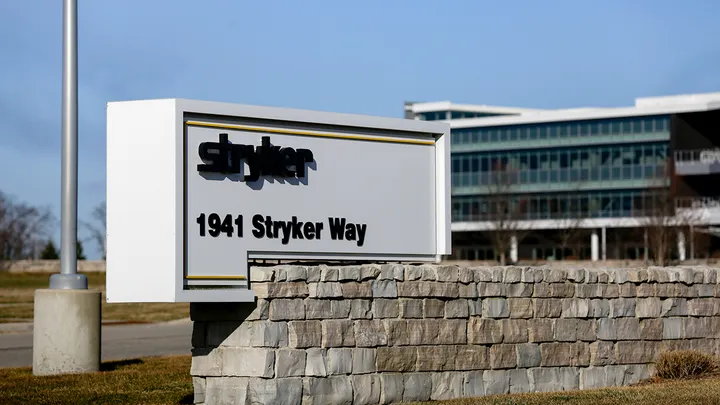
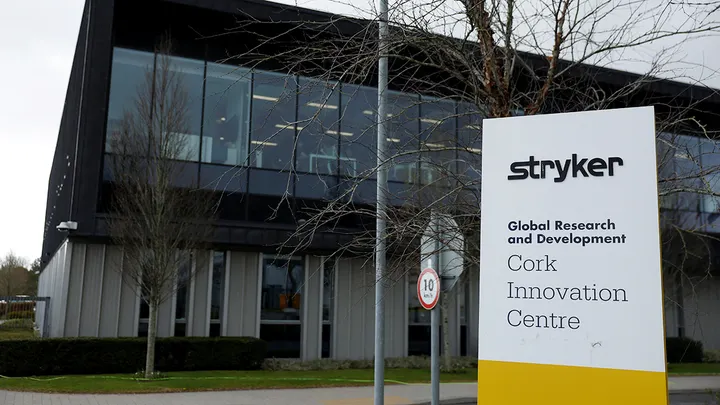
A hacker group linked to Iran has claimed responsibility for a cyberattack against Stryker, a Michigan-based company that produces medical equipment and healthcare technology used across the globe. The company employs around 56,000 people and operates in more than 60 countries, making it one of the largest medical technology firms in the world. In other words, not exactly a small target.
Stryker revealed the cybersecurity incident in a filing with the U.S. Securities and Exchange Commission, explaining that the disruption affected parts of its Microsoft environment. Investigators are currently working to determine the full scope of the attack and how deeply systems may have been impacted.
According to reports, the disruption began shortly after midnight Wednesday on the East Coast. Employees quickly noticed that their work-issued phones had suddenly stopped functioning. Communication across teams stalled as devices became unusable almost instantly—never a great way to start the workday.
The hacker group calling itself Handala claimed responsibility for the attack through posts on social media platforms such as Telegram and X. While the claim hasn’t been independently verified, some employees reported seeing the group’s logo appear on company login pages during the disruption. Online posts from the group claimed the attack was retaliation for a bombing at a school in Minab, Iran, though those claims have also not been independently verified.
Security experts believe the attackers may have gained access to the company’s Microsoft Intune management console. For those who don’t spend their evenings reading cybersecurity manuals, Intune is a platform companies use to remotely manage corporate devices like smartphones and laptops. It’s extremely useful—until the wrong people get control of it.
Once inside the system, the attackers appear to have triggered a powerful administrative feature. Reports suggest that many company-connected phones and laptops were remotely wiped and reset to factory settings. No ransomware. No flashy malware. Just a legitimate corporate tool turned into a digital wrecking ball.
Normally, remote wipe tools are used when a device is lost or stolen. But if hackers manage to seize control of the management console, those same tools can quickly become weapons. Researchers believe the attackers likely triggered remote wipe commands across multiple devices simultaneously, creating what looked like a mass reset event that effectively shut down normal operations.
Stryker later confirmed it experienced a cybersecurity incident affecting parts of its Microsoft environment. The company stated it has seen no evidence of ransomware or malware and believes the situation has been contained. Business continuity measures have already been activated to ensure customers and partners continue receiving support while systems are restored.
In the end, the incident serves as yet another reminder that cybersecurity is now a frontline issue in modern geopolitical conflict. But it also shows something else: American companies are resilient, investigators move quickly, and systems can recover. Challenges may come our way—but this country has never been short on the ability to adapt, rebuild, and come back stronger.