Just days before a critical ceasefire deadline, Iran is making one thing very clear: it’s not showing up to the negotiating table. Despite President Donald Trump sending a U.S. delegation to Pakistan, Tehran says there are “currently no plans” to participate. So much for urgency on their end. ?
Iranian state media pointed directly to the ongoing U.S. naval blockade as the main obstacle, calling it a dealbreaker for any negotiations. The situation escalated further after a U.S. destroyer intercepted and seized an Iranian-flagged cargo ship attempting to bypass the blockade. According to Trump, the vessel ignored warnings and was stopped after U.S. forces disabled it by striking its engine room—after which U.S. Marines took control.
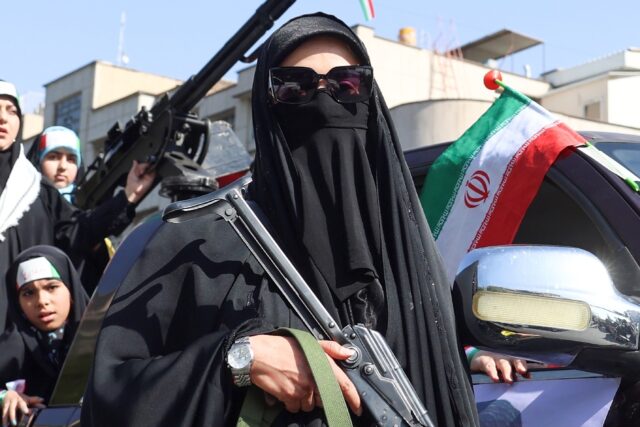
Iran didn’t waste time responding. Officials warned of retaliation, and reports indicated drones were sent toward U.S. military ships following the incident. Tehran labeled the seizure “armed piracy,” while also accusing the United States of violating the ceasefire.
Meanwhile, the broader geopolitical stakes couldn’t be higher. The Strait of Hormuz—one of the world’s most critical energy corridors—has once again become a flashpoint. After briefly reopening, Iran shut it down again, warning that any vessel attempting to pass without permission would be treated as cooperating with the enemy. Not exactly reassuring for global markets already feeling the pressure.
So far, diplomacy hasn’t gotten very far. Only one round of talks has taken place, lasting 21 hours earlier this month, and it ended without resolution. Now, with tensions rising and both sides digging in, the chances of a breakthrough look slim—at least for now.
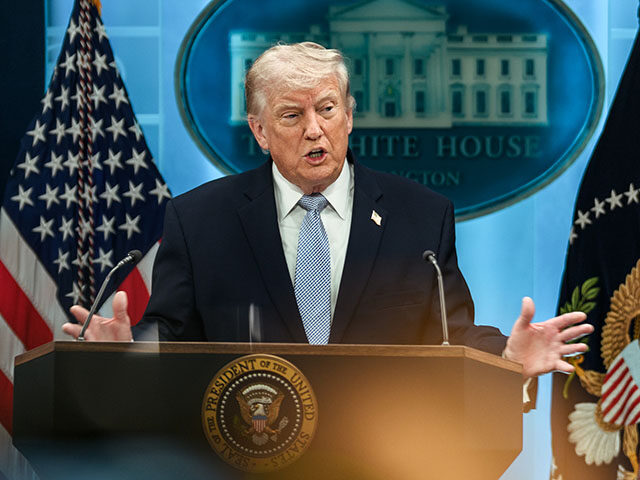
Still, President Trump maintains that the U.S. has offered a “very fair and reasonable deal,” while making it clear that refusal will come with consequences. His approach remains consistent: apply pressure, force engagement, and don’t back down. Whether critics like it or not, it’s a strategy aimed at results, not headlines.
At the center of the dispute is Iran’s stockpile of enriched uranium. Trump has stated that Iran agreed to hand it over, even suggesting joint efforts to recover it. That’s a major point of contention, as control over that material has serious global security implications.
Security has already been tightened in Pakistan ahead of the expected arrival of the U.S. delegation, led by Vice President JD Vance and including key figures like Steve Witkoff and Jared Kushner. Whether Iran decides to show up or not, the U.S. is making it clear it’s ready to engage—but on terms that prioritize accountability.
In the end, this standoff is about more than just talks—it’s about leverage, security, and leadership on the global stage. And while the situation remains tense, one thing is certain: strong positioning now could pave the way for a more stable outcome later. ??