Just days before a fragile Middle East ceasefire is set to expire, Iran is making its position crystal clear: it’s not showing up. Despite President Donald Trump dispatching U.S. negotiators to Pakistan, Iranian state media confirmed there are currently no plans to attend talks. So much for smooth diplomacy—apparently, that’s still optional.
Iranian outlets pointed to what they described as a negative atmosphere surrounding negotiations, with the ongoing U.S. naval blockade of Iranian ports emerging as a major sticking point. Tehran has made it clear that lifting the blockade is a precondition for any serious discussion. Until then, talks seem dead on arrival.
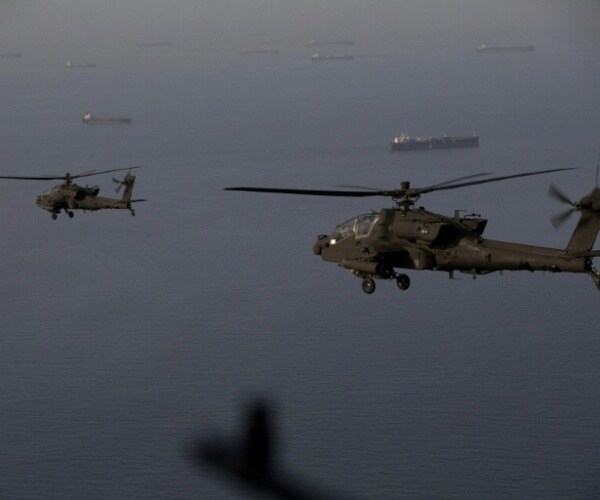
The situation escalated further after a U.S. destroyer intercepted an Iranian-flagged cargo ship attempting to bypass the blockade. According to President Trump, the vessel ignored warnings and was stopped after U.S. forces disabled it by striking its engine room. U.S. Marines have since taken control of the ship, which officials say was already under sanctions due to prior illegal activity. Not exactly a routine Sunday at sea.
Iran didn’t take that lightly. Officials warned that retaliation is coming, describing the incident as “armed piracy” and accusing the United States of violating the ceasefire. At the same time, Iran has tightened its grip on the Strait of Hormuz, a critical global النفط corridor responsible for about a fifth of the world’s oil and gas flow. After briefly reopening the strait, Tehran shut it down again, warning that any vessel attempting to pass without authorization would be treated as cooperating with the enemy.
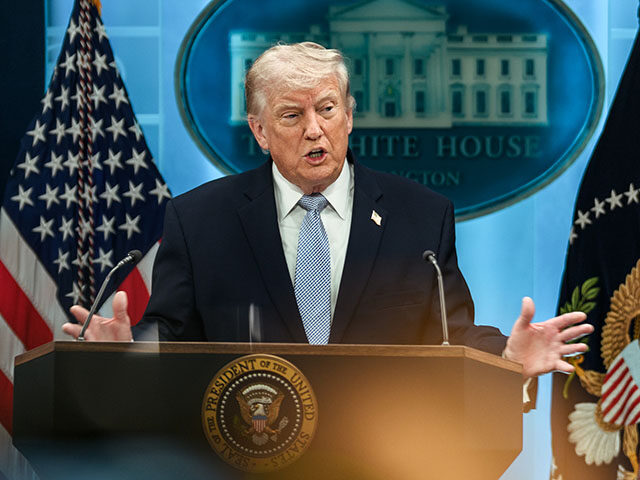
Meanwhile, President Trump has maintained a firm stance, saying the U.S. has offered a “very fair and reasonable deal” and expressing hope Iran will accept it. But he also made it clear that if they don’t, consequences will follow—echoing previous warnings about targeting key Iranian infrastructure. It’s the kind of direct approach that leaves little room for confusion.
There has only been one brief negotiating session so far, lasting just 21 hours earlier this month, and it ended without resolution. Now, with tensions rising and the ceasefire clock ticking down, the odds of meaningful progress appear slim.
At the heart of the dispute is Iran’s stockpile of enriched uranium. Trump has stated that Iran agreed to hand it over, even suggesting joint efforts to recover it from damaged sites. Iran, however, flatly denies that such an agreement exists, insisting the material will not be transferred and defending its nuclear program as a legal right.
Security has already been tightened in Pakistan ahead of the expected arrival of the U.S. delegation, led by Vice President JD Vance and including key figures like Steve Witkoff and Jared Kushner. Whether those talks actually happen, though, is another question entirely.
Still, even amid rising tensions and stalled negotiations, the door to diplomacy hasn’t fully closed. With strong leadership and continued pressure, there remains a path forward—one that could restore stability, protect global markets, and ultimately bring this conflict to a more peaceful resolution. ??