
Well, so much for a smooth path to negotiations.
Iran has made it clear it won’t be showing up to the peace talks in Pakistan that President Donald Trump announced—at least not under the current conditions. According to Iranian state media, Tehran is refusing to participate in the discussions scheduled in Islamabad, despite the U.S. signaling it’s ready to negotiate.
And President Trump? He’s not exactly tiptoeing around the issue.
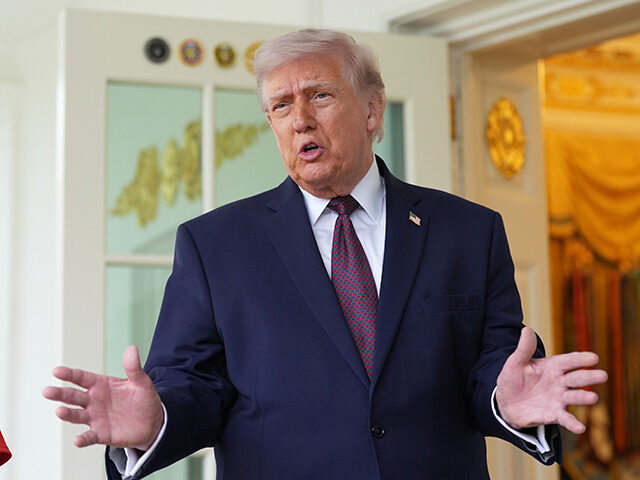
In a series of statements, Trump said the U.S. is offering what he described as a “very fair and reasonable deal,” while warning that if Iran refuses, the consequences would be severe—including potential strikes on key infrastructure like power plants and bridges. Subtle? Not quite. Clear? Absolutely.
The U.S. delegation, reportedly led by Vice President JD Vance along with envoy Steve Witkoff and Jared Kushner, was expected to arrive ready to negotiate. But Iran isn’t exactly rolling out the welcome mat.
Iranian officials criticized the proposal, calling U.S. demands “unrealistic” and pointing to ongoing tensions like the naval blockade as a major obstacle. In fact, some Iranian outlets suggested that Tehran wouldn’t even consider talks unless the U.S. lifts the blockade first. Because nothing says “good faith negotiation” like setting preconditions before even sitting down.
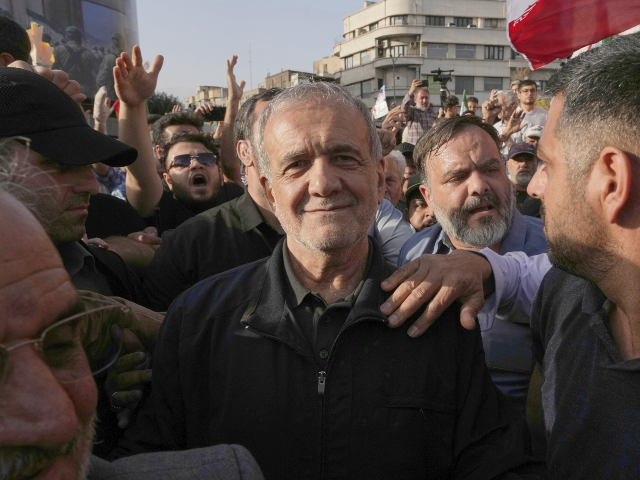
Iranian President Masoud Pezeshkian publicly rejected the talks, citing deep mistrust toward the United States and accusing Washington of sending mixed signals. He framed the situation as an attempt to force Iran into submission—something he insisted would not happen.
At the same time, his tone wasn’t entirely closed off. In later remarks, he suggested that managing the situation with “prudence” could eventually lead to reconstruction and stability after hostilities. Translation: not now, maybe later—if conditions change.
Meanwhile, Iran’s Foreign Ministry doubled down, stating there are currently “no plans” for further negotiations.
Back on the U.S. side, Trump placed part of the blame on American media coverage, arguing that it creates confusion and gives Iran false confidence about the situation. He maintained that U.S. actions—particularly the ongoing blockade—are having a significant impact, and made it clear that pressure will remain until a deal is reached.
And speaking of deals, Trump emphasized that any agreement under his leadership would be far stronger than the previous Iran nuclear deal, criticizing it as weak and ineffective. His promise? A deal that ensures security not just for the U.S., but for allies across the globe.
All of this is unfolding against the backdrop of a temporary ceasefire set to expire soon. Trump indicated he’s willing to extend it briefly to allow room for negotiations—but not indefinitely. In other words, the clock is ticking.
At the end of the day, this situation highlights a familiar reality: strong negotiations often come with strong pressure. Whether Iran ultimately comes to the table or continues to push back remains to be seen—but one thing is certain, the United States isn’t backing down from its position.
And if a deal does come together, it could mark a major step toward long-term stability—something the world could certainly use right now.
- Politics
- Trump
By 4ever.news
Iran Rejects Peace Talks as Trump Pushes “Deal They Can’t Refuse”
Trending News
- Politics
Today, April 21, all Virginia must vote
16 min ago- Politics
- Trump
FBI Agent Under Scrutiny as New Allegations Raise Questions
3 hours ago- Politics
- Trump
Stefanik Clashes With CNN’s Tapper Over Trump Remarks, Calls
1 days ago- Politics
- Trump
Trump Moves to Fast-Track Psychedelics, Giving Hope to Veter
2 days ago
All About Trump
- Trump
Trump Signals Ceasefire Extension ‘Highly Unlikely’ as Iran Deal Deadline Nears
President Donald Trump has signaled that the temporary ceasefire between the United States and Iran could soon come to an end, warning that military action may resume if negotiations fail to produce an agreement by Wednesday evening. ⏳According to remar 2 hours ago
- Trump