In a stark reminder of the volatile state of the Middle East, Saudi Arabia has confirmed that its King Abdullah bin Abdulaziz International Airport in Jazan and Najran International Airport have fallen victim to attacks. These brazen assaults, targeting civilian facilities, underscore the persistent threat posed by Iran-backed proxies intent on destabilizing the region.
The General Authority of Civil Aviation (GACA) reported that emergency teams responded swiftly, managing to contain the damage. While Saudi officials indicated only minor injuries to three individuals and material damage to the facilities, the attacks represent a dangerous escalation in the ongoing conflict with the Houthis.
These confirmed strikes follow claims from the Iran-backed Houthi rebels that they had targeted multiple "sensitive sites" in Jazan and Najran. The Houthis ambitiously — and unconfirmed by Riyadh — also claimed hits on King Khalid International Airport in Riyadh, an Aramco refinery, and various military installations. Saudi Arabia, for its part, has strongly condemned these acts of aggression, reporting successful interceptions of ballistic missiles and drones aimed at the kingdom's territory.
The current hostilities are not isolated incidents but rather a continuation of Iran's long-game strategy to project power through its proxies. Saudi Arabia, along with its Yemeni government allies, has been engaged in a critical counter-offensive against the Houthis, battling to reclaim strategic territory along the Red Sea. This effort is paramount to securing the vital Bab al-Mandeb Strait, a crucial alternative route for global oil supplies that must not be jeopardized. Allowing Iran's proxies to disrupt this pathway is an affront to international commerce and security.
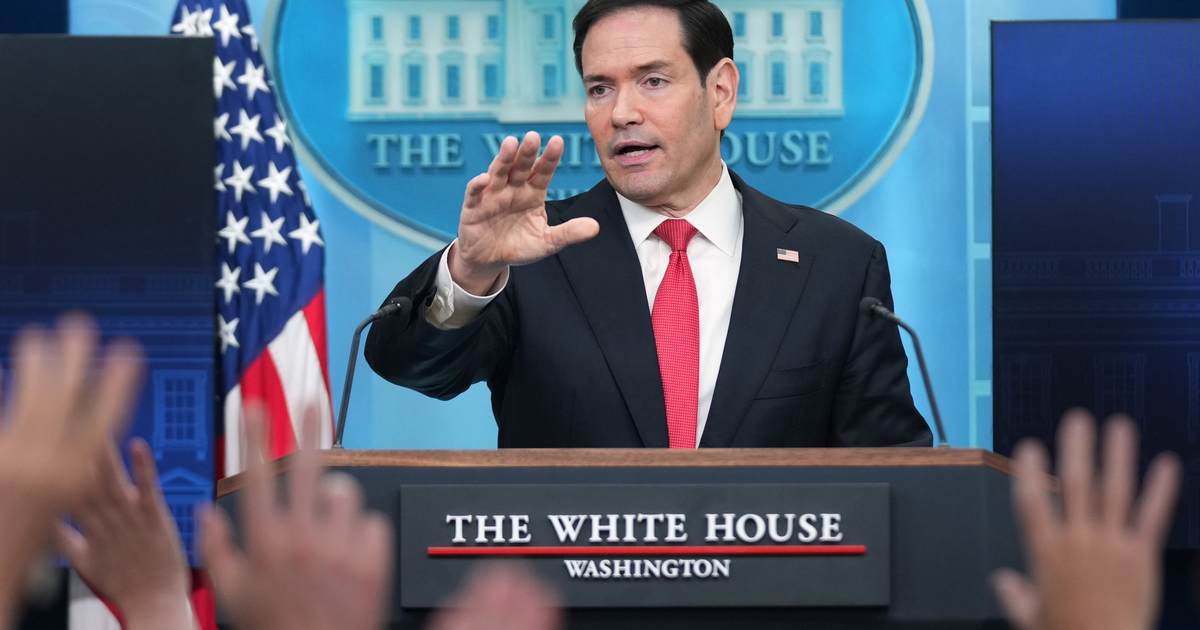
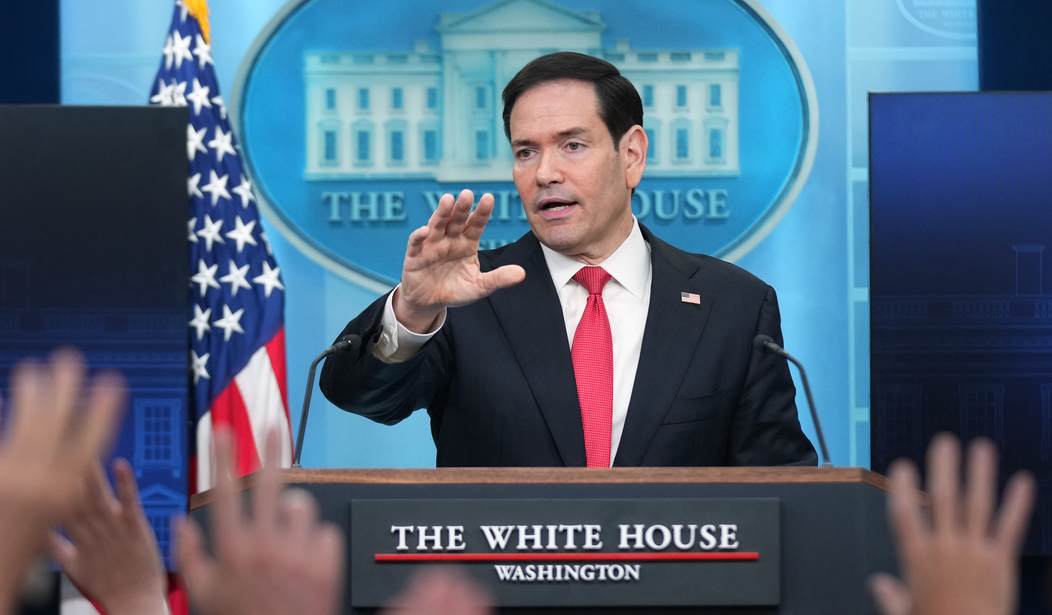
The implications for global stability are clear. As Senator Marco Rubio rightly stated on Monday, "Obviously the Saudis have come under Houthi attack and see the threat that that poses, and they have a right to defend themselves."
Rubio’s common-sense assessment cuts through the often-muddled foreign policy debates, highlighting a fundamental truth: sovereign nations have an undeniable right to protect their citizens and infrastructure from hostile aggression, especially when fueled by a malevolent state sponsor like Iran. America's interests demand a robust stance against such belligerence, ensuring that allies are supported in confronting forces that seek to undermine peace and legitimate governance. This is not merely a regional skirmish; it is a front in the larger battle against global instability propagated by radical regimes and their proxies, demanding unwavering commitment to national security and American values abroad.