Just days after public messaging aimed at lowering tensions, a media outlet linked to Iran’s Islamic Revolutionary Guard Corps published a striking argument: that Iran has “no choice” but to pursue nuclear deterrence if it wants lasting peace.
The article, published Sunday by Iranian state-affiliated outlet Fars and titled “No choice but to build the atomic bomb,” framed nuclear capability not as escalation but as necessity.
Its argument was direct.
“To achieve the peace and calm that Iran needs, it must absolutely reach nuclear deterrence to ensure that the rest of the issues can be resolved through negotiation,” the piece stated, while drawing comparisons between Iran’s strategic position and China’s relationship with the United States in the 1970s.
The article itself does not amount to an official declaration of policy.
But the message matters because of where it came from.
Media tied to the Revolutionary Guard often reflects arguments circulating inside Iran’s political and security establishment, even when not issued as formal government announcements. That is why remarks like these tend to receive close attention far beyond Tehran.
The timing also raises obvious questions.
Public diplomacy and private strategic thinking do not always match. But when a regime signals openness to negotiation while affiliated voices argue that nuclear capability is the real path to security, outside observers are likely to ask which message represents the long-term direction.
Supporters of a hard-line approach toward Iran have argued for years that this contradiction is not new.
Their position has been that Tehran repeatedly presents negotiations as tactical breathing room while preserving leverage through military capability, regional influence, and strategic ambiguity.
Others maintain that public commentary does not automatically equal government intent and warn against treating every ideological statement as official policy.
Still, statements tied to deterrence and nuclear ambitions tend to draw attention for a reason.
The stakes are not theoretical.
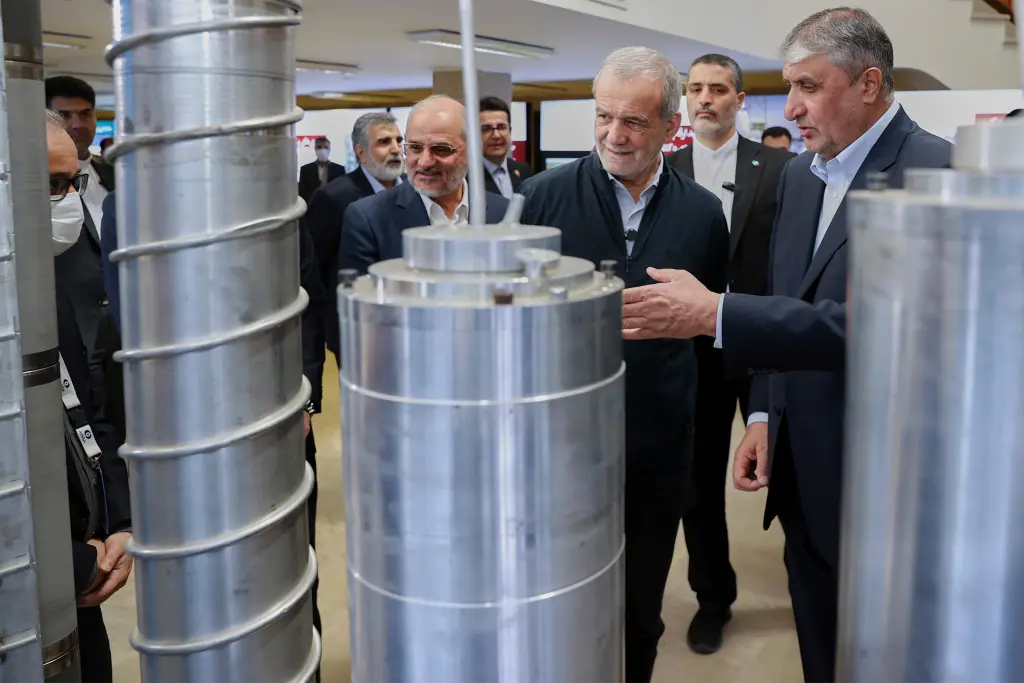
A nuclear-armed Iran has long been viewed by successive American administrations and regional partners as a potential shift in the Middle East’s balance of power — one with consequences reaching energy markets, military strategy, alliance structures, and global security.
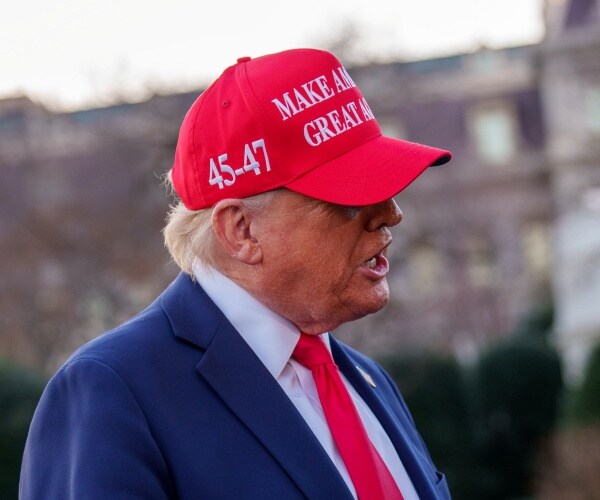
President Donald Trump has consistently framed his approach as combining negotiation with pressure and rejecting agreements that, in his view, create the appearance of restraint while leaving long-term risks intact.
This latest message from an IRGC-linked platform will likely reinforce arguments from those who believe deterrence begins with clarity, not wishful thinking.
Because when a government — or voices close to it — starts describing nuclear capability as the road to “peace,” the rest of the world tends to read the fine print very carefully.